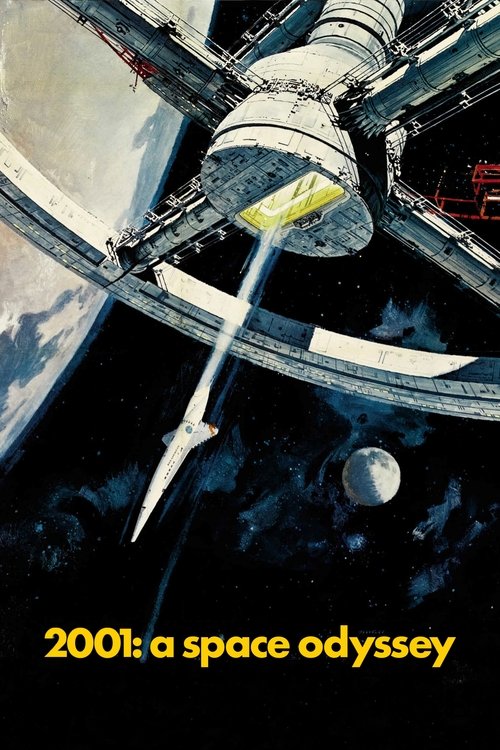
2001: A Space Odyssey
"An epic drama of adventure and exploration."
In 2001: A Space Odyssey, human evolution and cosmic mystery are traced across epochs. A prehistoric opening shows early hominins making a vital discovery, then the story shifts to the late 20th century when a buried monolith is found on the Moon. A mission launches to track its origins, with... Read more
Stream NowWhere to Watch "2001: A Space Odyssey"


Not Currently Available On (7 platforms)


Streaming availability last verified: February 02, 2026
About 2001: A Space Odyssey
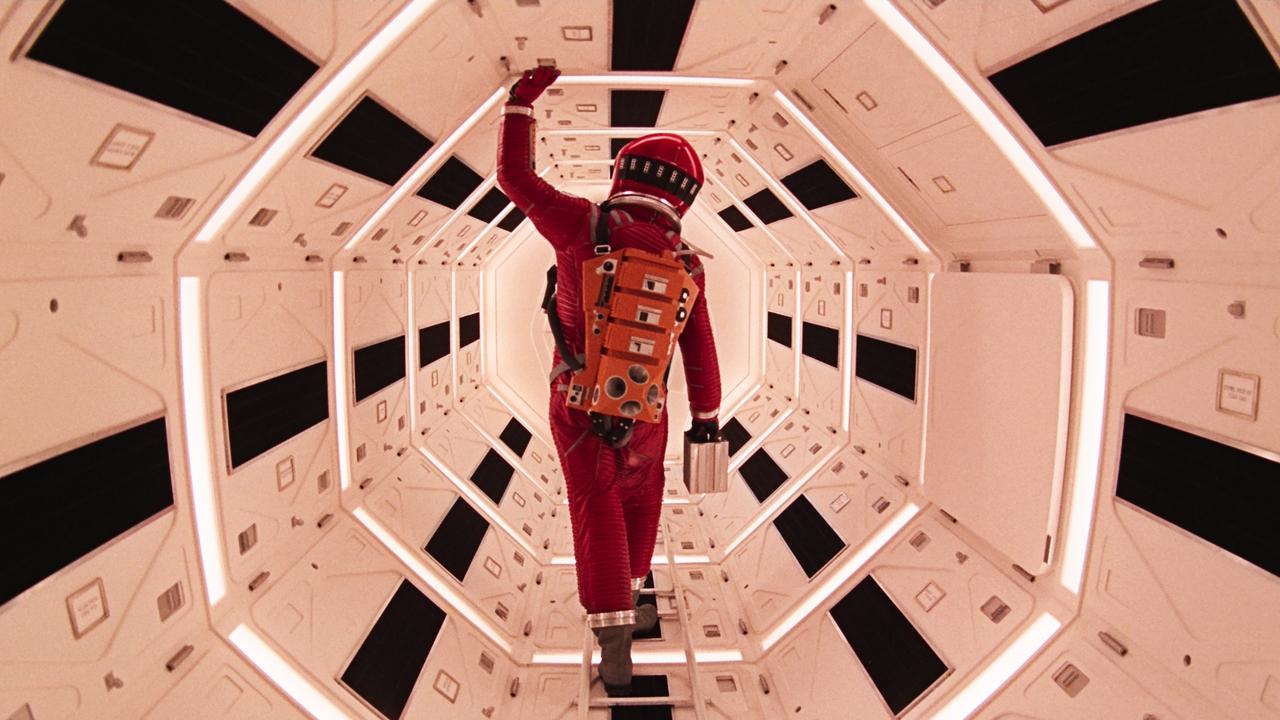
In 2001: A Space Odyssey, human evolution and cosmic mystery are traced across epochs. A prehistoric opening shows early hominins making a vital discovery, then the story shifts to the late 20th century when a buried monolith is found on the Moon. A mission launches to track its origins, with astronauts David Bowman and Frank Poole aboard a long-range spacecraft overseen by HAL 9000, an advanced onboard computer. As the voyage continues, routine procedures give way to growing unease, testing the crew's judgment against HAL's clinical logic. The film moves from meticulous depictions of space travel to increasingly abstract imagery that raises questions about intelligence, destiny, and what lies beyond human understanding. It avoids tidy answers and leaves more questions.
Directed by Stanley Kubrick and co-written with Arthur C. Clarke, the film was released in 1968 and grew out of Clarke's short idea, expanded into a collaboration that married literary sci-fi with rigorous cinematic design, and featured pioneering practical effects.
The film earned the Academy Award for Best Visual Effects and drew praise for its technical achievements, set design, and sound. Over time critics and institutions have recognized its influence on filmmaking craft and ambition. Filmmakers have cited its visuals and sound as direct inspiration.
HAL 9000 became an enduring figure in portrayals of artificial intelligence, with lines like "I'm sorry, Dave, I'm afraid I can't do that" entering popular awareness. The movie's imagery, from rotating space stations to the final "Stargate" sequence, shaped later science fiction. Artists and directors still reference its visual language.
Initial reactions ranged from bafflement to admiration, but critical opinion has solidified around its originality and philosophical reach. Major themes include evolution, AI versus human fallibility, the limits of perception, and humanity's search for meaning on a cosmic scale. Its ambiguity invites debate about meaning rather than offering tidy interpretations.
What Viewers Are Saying
Viewers appreciate "2001: A Space Odyssey" for its groundbreaking visuals, philosophical depth, and pioneering sci-fi elements, often calling it a cinematic masterpiece and a unique sensory experience. Many highlight its thoughtful exploration of life, intelligence, and time, as well as its innovative use of 70mm film and sound that enhance the viewing. However, some find the pacing slow or the film overly pretentious, with a few critics feeling it is overrated and lacking narrative engagement. Overall, audiences recognize it as a seminal work that challenges conventional storytelling and remains influential decades after its release.
Details
- Release Date
- April 02, 1968
- Runtime
- 2h 29m
- Rating
- G
- User Ratings
- 12,305 votes
- Type
- Movie
- Genres
- Science Fiction, Mystery, Adventure
- Country
- United Kingdom
- Collection
- The Space Odyssey Series
- Studio
- Stanley Kubrick Productions +1 more
- Budget
- $12,000,000
- Box Office
- $71,923,560
- External Links
- View on IMDB
Official Trailer
Cast

Keir Dullea
Dr. David Bowman

Gary Lockwood
Dr. Frank Poole

William Sylvester
Dr. Heywood Floyd

Douglas Rain
HAL 9000 (voice)

Daniel Richter
Moonwatcher
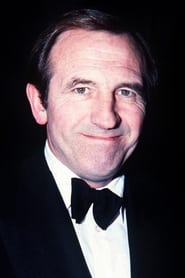
Leonard Rossiter
Dr. Andrei Smyslov

Margaret Tyzack
Elena

Robert Beatty
Dr. Ralph Halvorsen
Sean Sullivan
Dr. Roy Michaels
Frank W. Miller
Mission Controller (voice)
Written by: Arthur C. Clarke, Stanley Kubrick