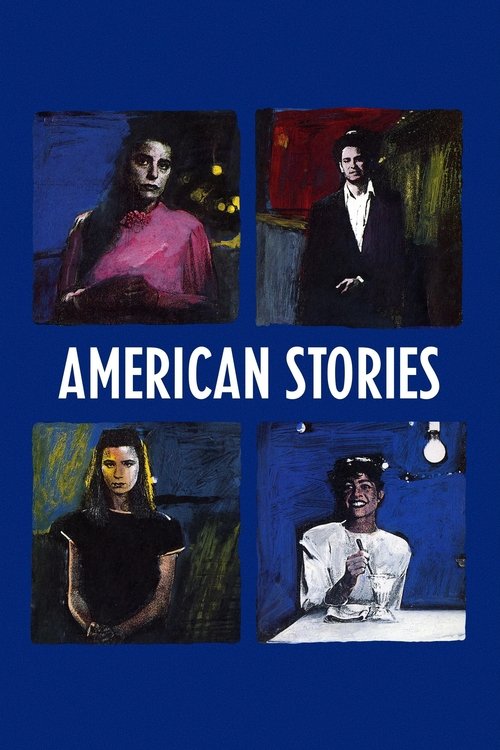
American Stories: Food, Family and Philosophy
American Stories: Food, Family and Philosophy assembles a series of close, first-person testimonies from Jewish New Yorkers, presented as a collage rather than a single plotline. Chantal Akerman stages intimate addresses to camera, where speakers recall meals, family arguments, migration... Read more
Where to Watch "American Stories: Food, Family and Philosophy"
Not Currently Streaming
This title isn't available for streaming in the US right now.
Not Currently Available On (8 platforms)


Streaming availability last verified: January 14, 2026
About American Stories: Food, Family and Philosophy
American Stories: Food, Family and Philosophy assembles a series of close, first-person testimonies from Jewish New Yorkers, presented as a collage rather than a single plotline. Chantal Akerman stages intimate addresses to camera, where speakers recall meals, family arguments, migration experiences and small domestic rituals that mark belonging. Episodes move between wry humor and quiet grief, and the film often frames speech against Brooklyn streets, kitchens and the Williamsburg Bridge. These brief portraits accumulate into a felt sense of shared history, memory and survival without resolving into a conventional narrative. The tone is restrained and observational, the pace unhurried, and the ordinary details register like evidence of a communal past.
Directed by Chantal Akerman and released in 1989, the film was shot on location in Brooklyn near the Williamsburg Bridge. Presented under the French title Histoires D'Amérique, it features a small ensemble including Eszter Balint, Stephan Balint, Judith Malina and Kirk Baltz, and fits within Akerman's experimental, voice-centered work.
The picture did not receive mainstream award attention and there are no major prize claims associated with it, but it circulated on the festival circuit and in art house venues. Rather than competing for commercial accolades, it found a modest audience among critics, scholars and cinephile programmers who value its form and subject matter.
Within film studies and certain cultural circles the movie is noted for mixing documentary feeling with staged testimony, and for showing how food and family function as memory devices. Its candid monologues and emphasis on everyday settings have been picked up in discussions of Jewish American identity and in courses that look at urban oral histories and the politics of representation.
Critical and audience reaction was mixed, reflected in a modest vote average of 5.4 out of 10. Viewers commonly praised the film's attention to language, domestic detail and intergenerational memory, while some found the episodic structure uneven and slow. Key themes include identity, displacement, the transmission of trauma, and how ordinary rituals preserve and transmit personal and communal histories.
Details
- Release Date
- October 04, 1989
- Runtime
- 1h 36m
- User Ratings
- 8 votes
- Type
- Movie
- Genres
- Drama
- Country
- Belgium
- Studio
- Mallia Films +3 more
- External Links
- View on IMDB
Cast
Mark Amitin

Eszter Balint
Stephan Balint

Judith Malina
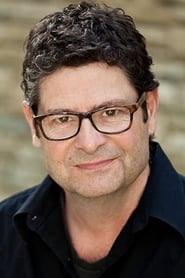
Kirk Baltz
Sharon Diskin
Director: Chantal Akerman