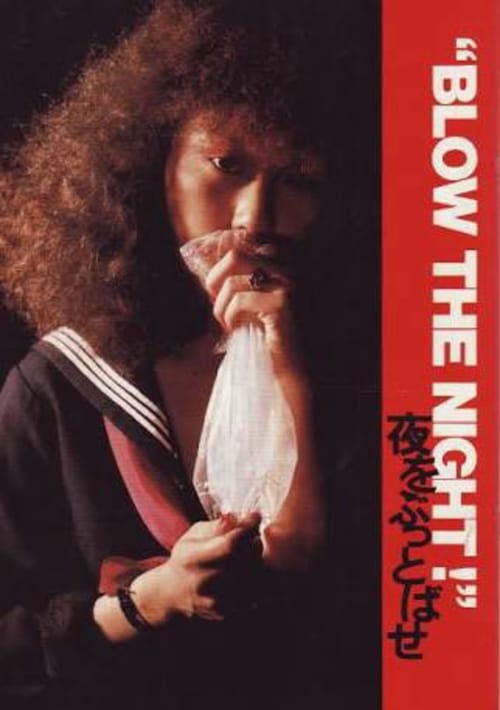
"BLOW THE NIGHT!" Let's Spend the Night Together
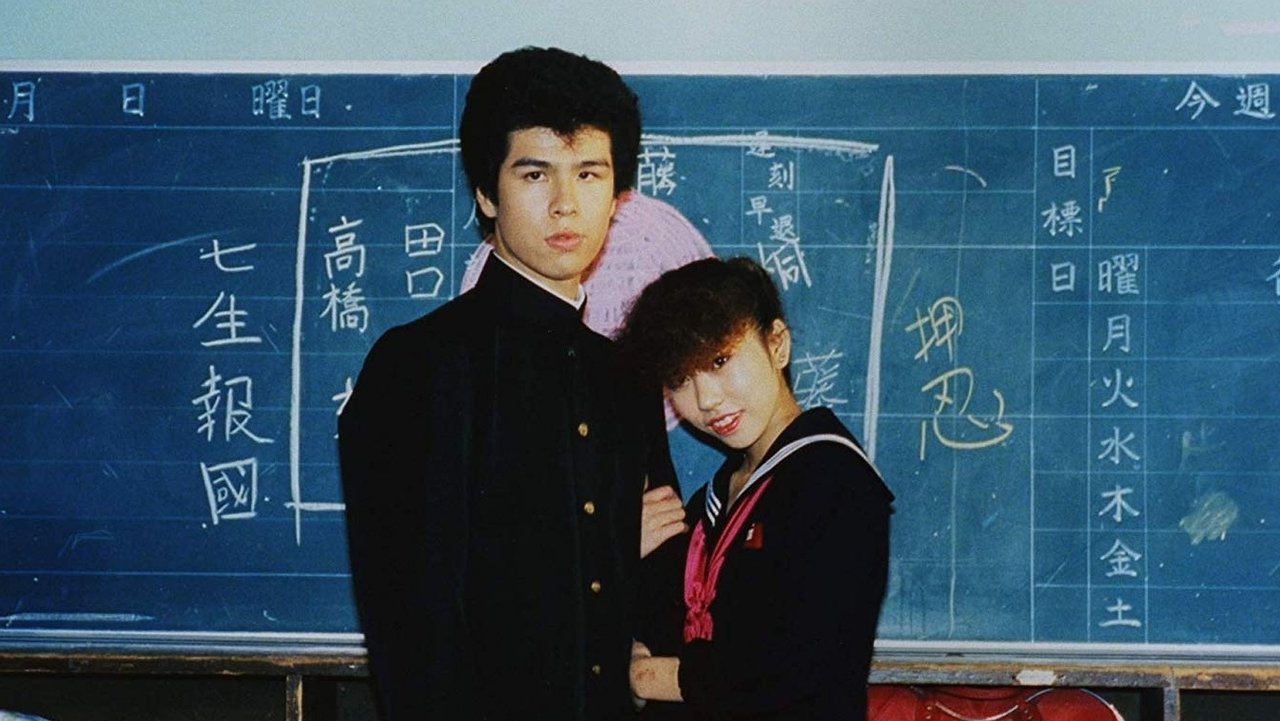
In this 1983 Japanese hybrid of documentary and drama, the night becomes the stage and the city its reluctant protagonist. The camera tracks a cluster of Yanki youths through dim streets, late-night hangouts, and impulsive flares of bravado, blending real life with carefully staged moments. Shot... Read more
Where to Watch ""BLOW THE NIGHT!" Let's Spend the Night Together"
Not Currently Streaming
This title isn't available for streaming in the US right now.
Not Currently Available On (8 platforms)


Streaming availability last verified: January 14, 2026
About "BLOW THE NIGHT!" Let's Spend the Night Together
In this 1983 Japanese hybrid of documentary and drama, the night becomes the stage and the city its reluctant protagonist. The camera tracks a cluster of Yanki youths through dim streets, late-night hangouts, and impulsive flares of bravado, blending real life with carefully staged moments. Shot on 16mm, the film foregrounds actual gang members who appear in lead roles alongside fledgling actors, lending an immediacy that feels unfiltered yet carefully arranged. Namie Takada and Kazumi Kawai anchor the scenes, their performances rooted in lived experience rather than polished cinema. The tone is intimate and rough edged, catching conversations, rituals, and loyalties as they wobble under pressure. The narrative avoids tidy conclusions, offering instead a raw slice of subculture in motion.
Directed by Chūsei Sone and created by Reiko Nakada, the film arrived in 1983 as a hybrid that blends documentary watchfulness with staged drama. Filmed on 16mm to emphasize immediacy, it charts a side of urban Japan through Yanki subculture.
Box office data for the title is not widely reported, reflecting its status as a niche art-house feature. It circulated in limited releases and festival circuits, with a modest footprint that mirrors its experimental, low-budget approach worldwide and street life.
Critics praised the film for its raw immediacy and its uneasy blend of fact and fiction, using it to pry into questions of identity, loyalty, and the pressure of belonging. It offers a stark portrait of a subculture where affection and danger sit side by side across urban spaces today.
There are no major awards or nominations documented for this title and it is generally discussed in the context of Sone's experimental work and Japan's independent cinema rather than as an award winner. Its influence lies in its form and mood rather than accolades across cinema history and other works.
Details
- Release Date
- March 19, 1983
- Runtime
- 1h 49m
- User Ratings
- 5 votes
- Type
- Movie
- Genres
- Documentary, Drama
- Country
- Japan
- Studio
- Film Workers
- External Links
- View on IMDB
Official Trailer
Cast

Namie Takada
Namie Takada

Kazumi Kawai
Director: Chūsei Sone
Written by: Reiko Nakada