Childhood in Vienna 1934-1938
In 1934 Vienna, Nora Fiala grows up in a comfortable middle class household where daily life begins to shift under changing politics. The film follows Nora's small-scale world as she notices whispered conversations, altered routines and the cautious choices adults make around her. Family meals,... Read more
Where to Watch "Childhood in Vienna 1934-1938"
Not Currently Streaming
This title isn't available for streaming in the US right now.
Not Currently Available On (8 platforms)


Streaming availability last verified: January 14, 2026
About Childhood in Vienna 1934-1938
In 1934 Vienna, Nora Fiala grows up in a comfortable middle class household where daily life begins to shift under changing politics. The film follows Nora's small-scale world as she notices whispered conversations, altered routines and the cautious choices adults make around her. Family meals, neighborhood talk and school moments subtly reshape what she thinks is normal. The story keeps to the child's point of view, favoring quiet observation over spectacle, and shows how broad political currents gradually enter private rooms and affect a young mind.
Directed by Anton Reitzenstein and based on work by Elisabeth Hofer and Ditta Rudle, the film was released in 1989. It stars Tessa Höchtl as Nora Fiala, with Sylvia Eisenberger, Wolfgang Böck, Vilma Degischer and Erik Frey rounding out the family ensemble. The production emphasizes period details and intimate interiors over spectacle.
There are no widely cited box office figures for the title, and it did not reach large international distribution. The release was largely confined to Austrian cinemas and select regional festivals, so its commercial footprint stayed small. Because of that limited circulation the film's financial impact is hard to track in industry sources.
Internationally the film remains fairly obscure, but within Austria it has a modest afterlife among viewers who favor historical dramas. Its quiet domestic scenes and attention to household ritual are sometimes mentioned by commentators looking at representations of childhood in interwar Central Europe. The cast's older generation, especially Vilma Degischer and Erik Frey, is often noted for grounding the film's atmosphere.
Critical attention was limited, and archival records show few contemporary reviews, yet those who have written about it point to its careful observation of family and social codes. Major themes include how political tensions reshape routines, the formation of personal loyalties in youth, and the strains between generations. Performances by Tessa Höchtl and the parents are highlighted for their restrained, naturalistic approach.
Details
- Release Date
- January 01, 1989
- Runtime
- 1h 35m
- Type
- Movie
- Country
- AT
- Studio
- ORF +1 more
- External Links
- View on IMDB
Cast
Tessa Höchtl
Nora Fiala
Sylvia Eisenberger
Tessa's mother
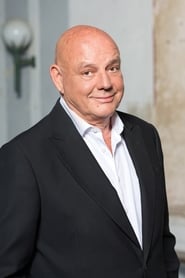
Wolfgang Böck
Tessa's father
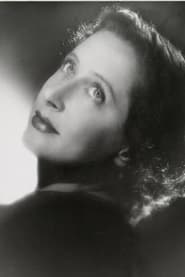
Vilma Degischer
Grandmother Wirth
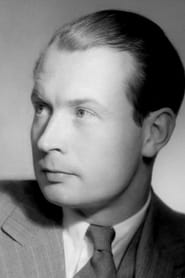
Erik Frey
Grandfather Wirth
Director: Anton Reitzenstein
Written by: Elisabeth Hofer, Ditta Rudle