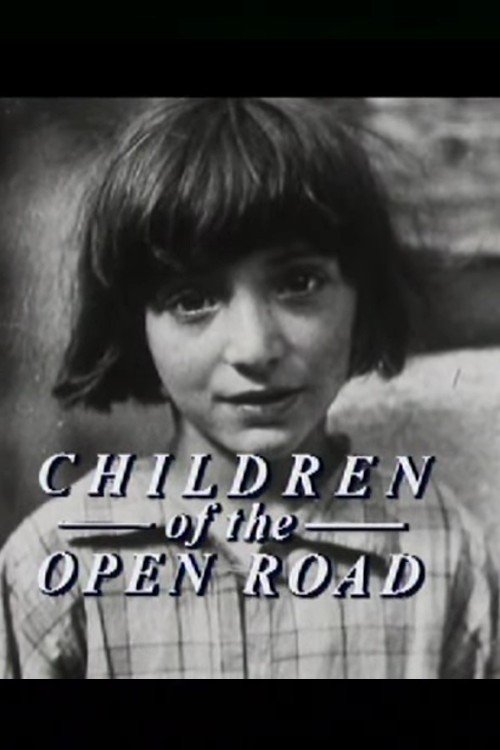
Children of the Open Road
Catrine Clay presents an unsettling investigation into a practice that happens behind Switzerland's tidy public face. The film follows reports of children taken from itinerant families, concentrating on how official agencies and social services intervened, often separating youngsters from their... Read more
Where to Watch "Children of the Open Road"
Not Currently Streaming
This title isn't available for streaming in the US right now.
Not Currently Available On (8 platforms)


Streaming availability last verified: January 14, 2026
About Children of the Open Road
Catrine Clay presents an unsettling investigation into a practice that happens behind Switzerland's tidy public face. The film follows reports of children taken from itinerant families, concentrating on how official agencies and social services intervened, often separating youngsters from their parents. Through interviews, archival footage and on camera reporting, Clay traces the human cost of those removals and shows the confusion and grief experienced by families whose lives were disrupted. The documentary focuses on systems of authority, cultural misunderstanding and the legal mechanisms that allowed these abductions to happen, letting viewers see how everyday order can mask harsh policies aimed at groups deemed different. It refuses to simplify motives, instead presenting testimony that forces uncomfortable questions about prejudice and power.
Directed by Ruth Jackson and released in 1988, the film is presented by Catrine Clay. Voice work is credited to Sara Kestelman and Robin Ellis, giving the documentary a journalistic narration alongside direct interviews with affected families and archive material.
No reliable box office or wide commercial figures are readily available for this documentary. It appears to have had limited theatrical exposure and distribution, with broadcasts and festival screenings likely accounting for most of its audience reach in specific regions.
By documenting these removals the film brought attention to practices many viewers hadn't considered, prompting conversations in some communities about child welfare, cultural bias and state power. Its stark presentation made it a reference point in later discussions about rights of itinerant peoples and institutional accountability among activists and journalists.
Critical records for the documentary are sparse, yet its core concerns are clear: power imbalances in social services, cultural stereotyping and legal interventions that remove parental custody. The film emphasizes testimony over spectacle, using personal accounts, archival material and restrained narration to raise ethical questions about definitions of care systems.
Details
- Release Date
- March 17, 1988
- Runtime
- 40m
- Type
- Movie
- Genres
- Documentary
- Country
- United Kingdom
- Studio
- BBC
Cast
Catrine Clay
Self - Presenter
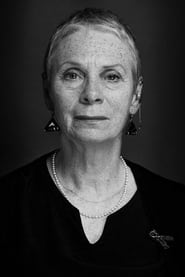
Sara Kestelman
(voice)

Robin Ellis
(voice)
Director: Ruth Jackson