Complexes
Complexes presents three sketches that poke at desire, status, and the games people play to fit in. In the first tale, Quirino pursues a colleague named Gabriella, chasing romance in the office with a mix of bravado and bluff. The second segment follows Professor Beozi as he tries to dodge... Read more
Where to Watch "Complexes"
Not Currently Streaming
This title isn't available for streaming in the US right now.
Not Currently Available On (8 platforms)


Streaming availability last verified: January 30, 2026
About Complexes
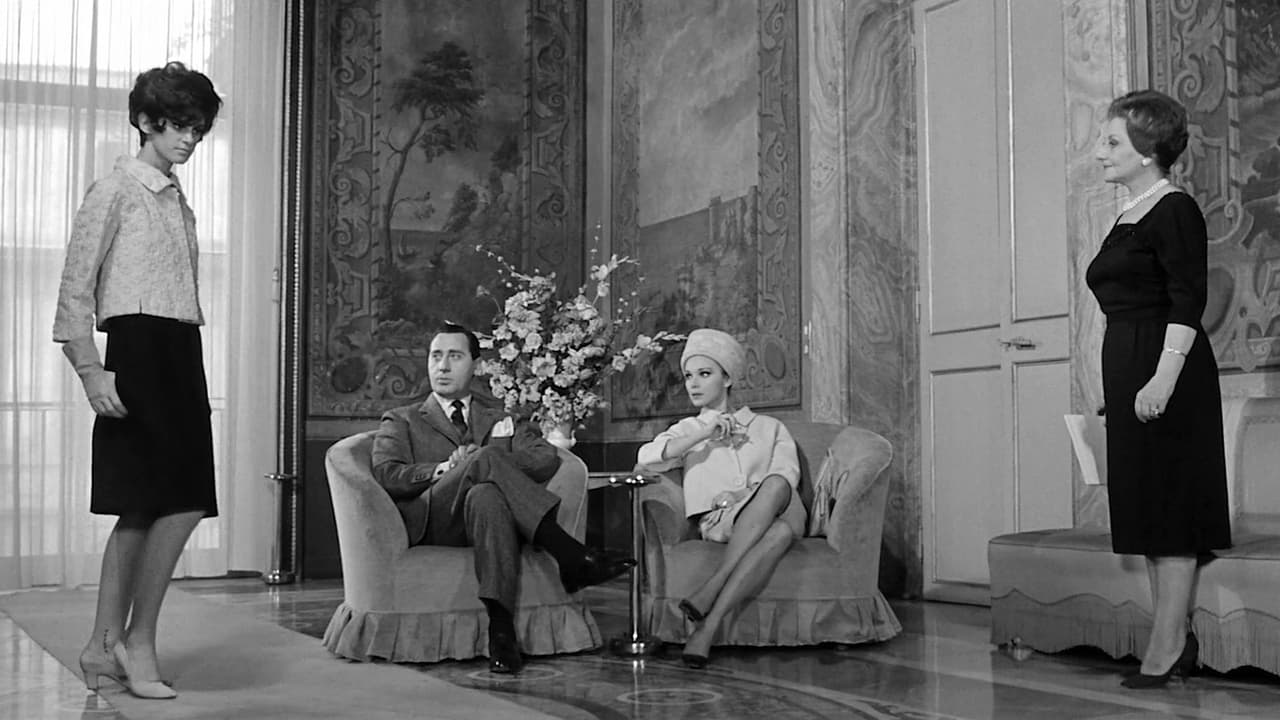
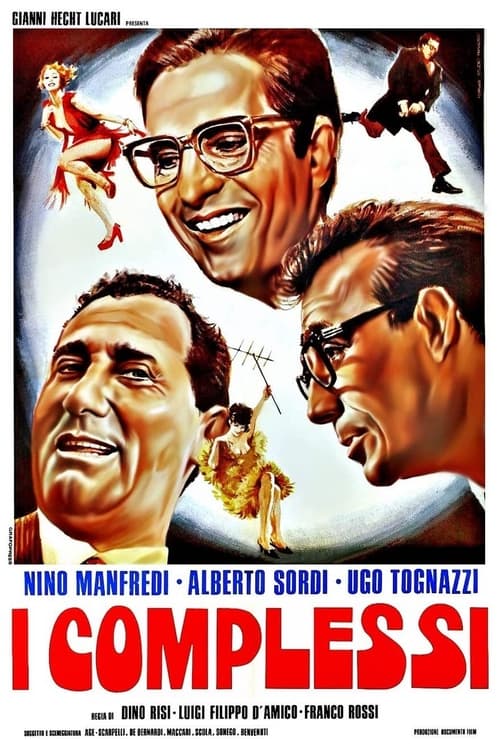
Complexes presents three sketches that poke at desire, status, and the games people play to fit in. In the first tale, Quirino pursues a colleague named Gabriella, chasing romance in the office with a mix of bravado and bluff. The second segment follows Professor Beozi as he tries to dodge trouble after a scandal threatens his reputation, only to stumble into a police raid at a club for local homosexuals. In the final piece, Guglielmo vows to win a coveted spot as a television news reader, facing a panel that pretends to be fair while subtly shaping the outcome. The film uses wit to examine vanity, convention, and the price of performance. The tone stays light, balancing punch lines with gentle social commentary.
Released in 1965, the film is directed by Franco Rossi and Luigi Filippo D'Amico, with screenplays credited to Ruggero Maccari, Ettore Scola, and Dino Risi. It's a collaborative Italian comedy that builds its energy around an ensemble of stars, and the chemistry among Nino Manfredi, Ugo Tognazzi, Alberto Sordi, and the rest helps the satire land with ease.
Critics generally welcomed the brisk humor and the way the episodes sharpen social observation without becoming mean spirited. The movie treats romance, ambition, and media performance as masks we wear, with the audience invited to laugh at both ourselves and the pretenses that sustain public life. It balances satire with warmth, making its digs feel human rather than punitive.
With a lineup including Nino Manfredi, Ugo Tognazzi, Alberto Sordi, and Ilaria Occhini, the film sits at a moment when Italian cinema leaned into self mockery and social satire. It contributes to a tradition of sketches that reflect manners and fantasies in a rapidly changing society. The work also helps illustrate how the era used humor to question gender norms, career aspiration, and media influence.
Box office figures from the era are not easily accessible, but the film is remembered more for its notable cast and its place in mid 60s Italian satire than for blockbuster earnings. In retrospectives it is cited as an example of the era's ensemble storytelling.
Details
- Release Date
- August 15, 1965
- Runtime
- 1h 42m
- User Ratings
- 103 votes
- Type
- Movie
- Genres
- Comedy
- Country
- France
- Studio
- Documento Film +1 more
- External Links
- View on IMDB
Cast

Nino Manfredi
Quirino Raganelli
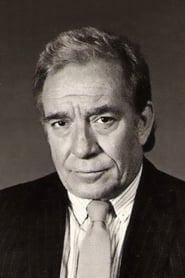
Ugo Tognazzi
Prof. Gildo Beozi
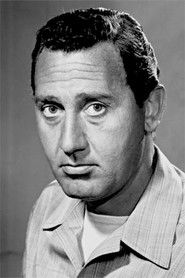
Alberto Sordi
Guglielmo Bertone
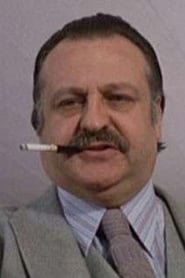
Umberto D'Orsi
Ernesto (I)

Ilaria Occhini
Gabriella (I)

Riccardo Garrone
Alvaro Morandini (I)
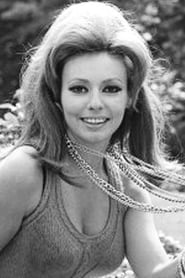
Claudie Lange
Erminia, la moglie di Beozi (II)

Mario Frera
Caponi dell'Ultramarket (I)
Nanda Primavera
La suocera di Beozi (II)
Gaia Germani
Self (segment "Guglielmo il Dentone")
Director: Franco Rossi, Luigi Filippo D'Amico
Written by: Ruggero Maccari, Ettore Scola, Dino Risi