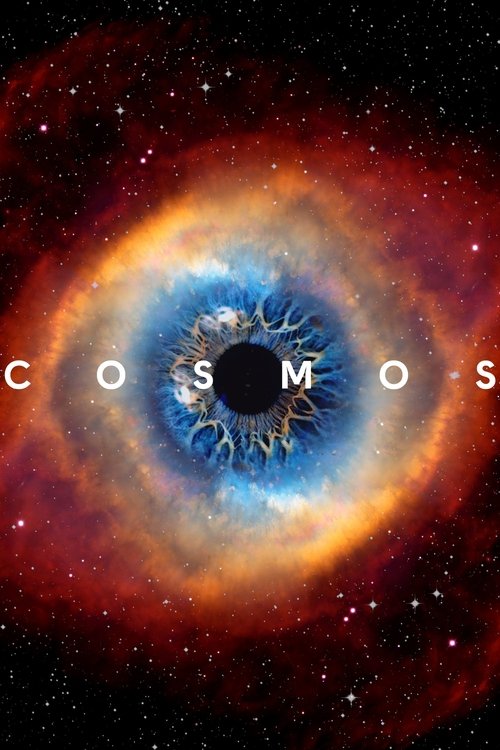
Cosmos
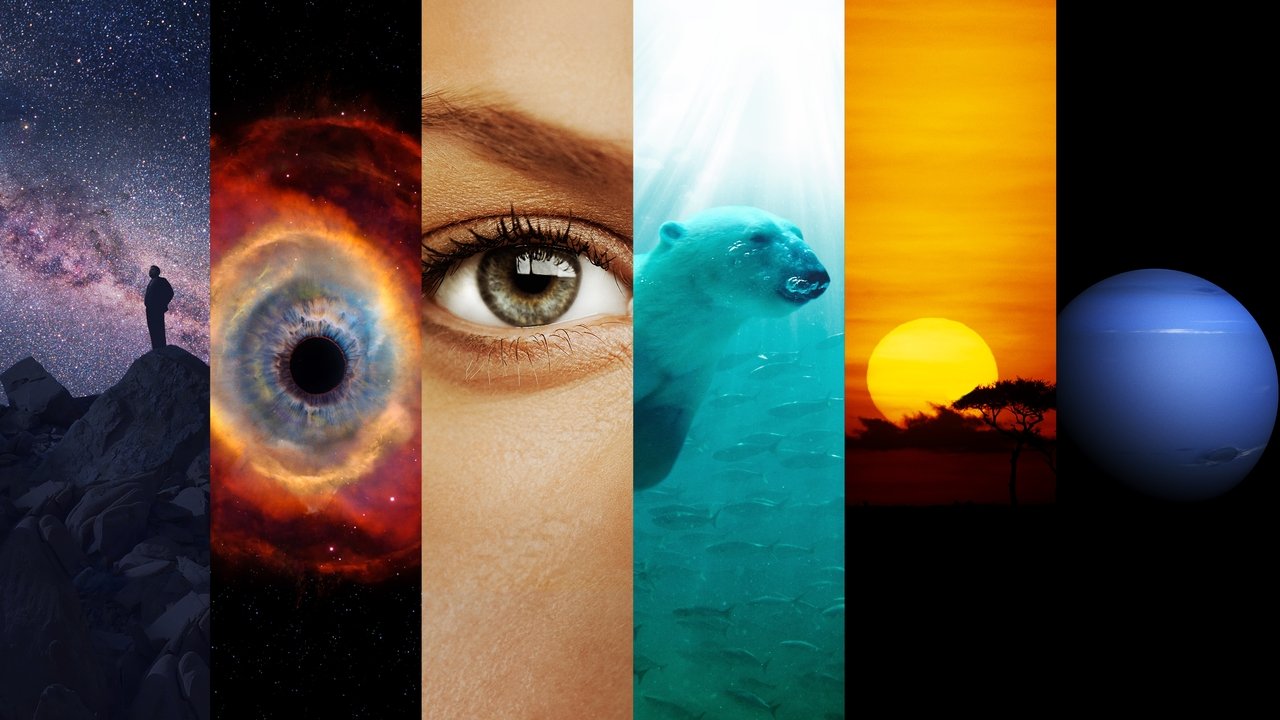
Cosmos invites viewers to look at the universe in a new, clear way, with Neil deGrasse Tyson guiding each episode through the big ideas that shape our understanding of reality. The series links the laws of physics and gravity to the origins of space and time, while weaving in the people and... Read more
Watch NowWhere to Watch "Cosmos"


Not Currently Available On (8 platforms)


Streaming availability last verified: January 14, 2026
About Cosmos
Cosmos invites viewers to look at the universe in a new, clear way, with Neil deGrasse Tyson guiding each episode through the big ideas that shape our understanding of reality. The series links the laws of physics and gravity to the origins of space and time, while weaving in the people and experiments that produced those ideas. Episodes shift from ancient observations to modern telescopes and laboratories, using vivid recreations and visual effects to make abstract concepts feel tangible. Tyson balances historical storytelling, hands-on demonstrations, and accessible explanations so you can follow how evidence builds scientific knowledge.
Created by Ann Druyan and Steven Soter, Cosmos premiered in 2014 with Neil deGrasse Tyson as host. It was conceived as a contemporary follow-up to Carl Sagan's original 1980 Cosmos series, updating stories and visuals for a 21st century audience.
The series pushed science back into public conversation, with visuals and phrases that spread across social media and classrooms. Several sequences, including the "Ship of the Imagination" segments and large-scale cosmic visualizations, became commonly referenced in educational clips and popular discussions about space.
Critics and viewers gave Cosmos strong reviews, reflected in high audience ratings and positive commentary on its clarity. The show repeatedly highlights the scientific method, the importance of evidence, and the enormous scales of space and time, while grounding those concepts in human curiosity and historical episodes of discovery and controversy.
Cosmos received multiple award nominations and won recognition for its technical work, such as visual effects and production design, and for its role in science communication. Those honors acknowledged the series' combination of rigorous information and accessible presentation, and its influence on teachers, filmmakers, and science advocates who use its episodes as a launching point for public engagement.
Details
- Release Date
- March 09, 2014
- User Ratings
- 1,637 votes
- Type
- TV Series
- Seasons
- 2
- Episodes
- 26
- Genres
- Documentary
Official Trailer
Cast

Neil deGrasse Tyson
Self - Host

Ann Druyan
Created by: Ann Druyan, Steven Soter
Seasons (2 seasons, 26 episodes)
A Spacetime Odyssey
13 episodes - 2014
Possible Worlds
13 episodes - 2020