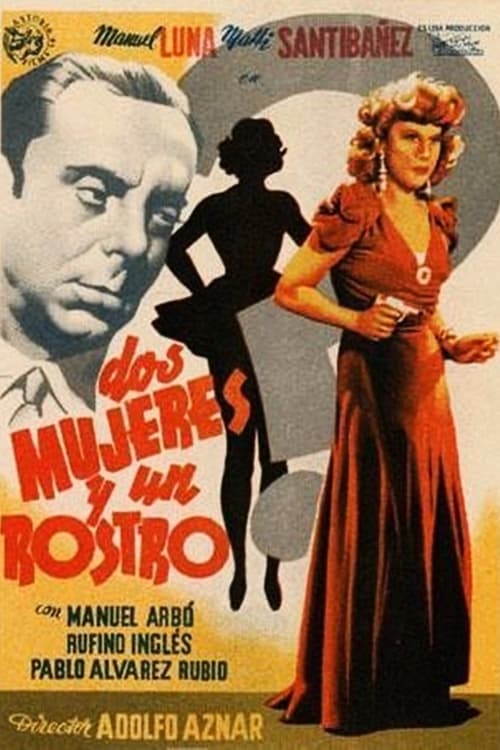
Dos mujeres y un rostro
Lupe moves through the world as an audacious traveler and a sharp observer of cinema. When she discovers she bears a striking likeness to a famous actress, she hatches a plan built on disguises and wit. Using her resemblance as a cover, she pretends to be the star in public and behind the scenes... Read more
Where to Watch "Dos mujeres y un rostro"
Not Currently Streaming
This title isn't available for streaming in the US right now.
Not Currently Available On (8 platforms)


Streaming availability last verified: January 14, 2026
About Dos mujeres y un rostro
Lupe moves through the world as an audacious traveler and a sharp observer of cinema. When she discovers she bears a striking likeness to a famous actress, she hatches a plan built on disguises and wit. Using her resemblance as a cover, she pretends to be the star in public and behind the scenes to trick her fiancé, a cautious banker. Her scheme leans on performance, letting Lupe maneuver through social circles and business rooms with charm and quick thinking. As the plot unfolds, the line between truth and illusion grows blurred, forcing Lupe to question how much of herself she can safely wear and still stay one step ahead. The atmosphere blends light comedy with suspense as Lupe tests her own limits. The movie hints at the fragility of identity when masked by glamour.
Directed by Adolfo Aznar, Dos mujeres y un rostro hails from postwar Spanish cinema, with a script credited to Santiago Aguilar and Antonio Valero de Bernabé. The pacing is brisk, and the dialogue nods to industry insiders, with a touch of humor.
Box office data for this title are not readily available, reflecting its limited archival footprint. It remains a scarce artifact of 1940s Spanish filmmaking rather than a clearly defined commercial milestone. Some records hint at regional circulation, but certified figures are elusive.
Because documentation on its reception is sparse, this film has little recorded cultural impact. Yet the premise gestures toward early cinema's preoccupation with identity and performance, inviting viewers to consider how appearance shapes trust and ambition.
Reception among critics, if any, has been limited by time and availability. The core tension between deception and sincerity offers a window into gender roles and the ethics of fame in mid-century Spain, making the film a curious artifact rather than a mainstream classic for scholars today.
Details
- Release Date
- January 02, 1947
- Runtime
- 1h 35m
- Type
- Movie
- Country
- Spain
- Studio
- CEU (Cinematografistas Españoles Unidos)
- External Links
- View on IMDB
Cast
Mariano Alcón
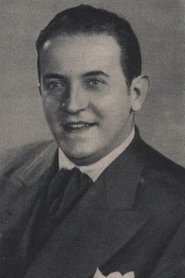
Manuel Arbó
Lolita Arenas
Antonio Bayón
Iluminada Berlana
Milagros Carrión
Francisco Cejuela
Rafael Cortés

Félix Fernández

Manuel Luna
Director: Adolfo Aznar
Written by: Santiago Aguilar, Antonio Valero de Bernabé