El canto de la cigarra
Bisbi, a teen, takes on caring for her younger siblings in a cramped home ruled by Aris, a man who seems more a spectator of life than a participant. The cicada fable threads their days: Bisbi works hard while Aris waits for luck to improve their lot. She sees that survival depends on effort, not... Read more
Where to Watch "El canto de la cigarra"
Not Currently Streaming
This title isn't available for streaming in the US right now.
Not Currently Available On (8 platforms)


Streaming availability last verified: January 14, 2026
About El canto de la cigarra
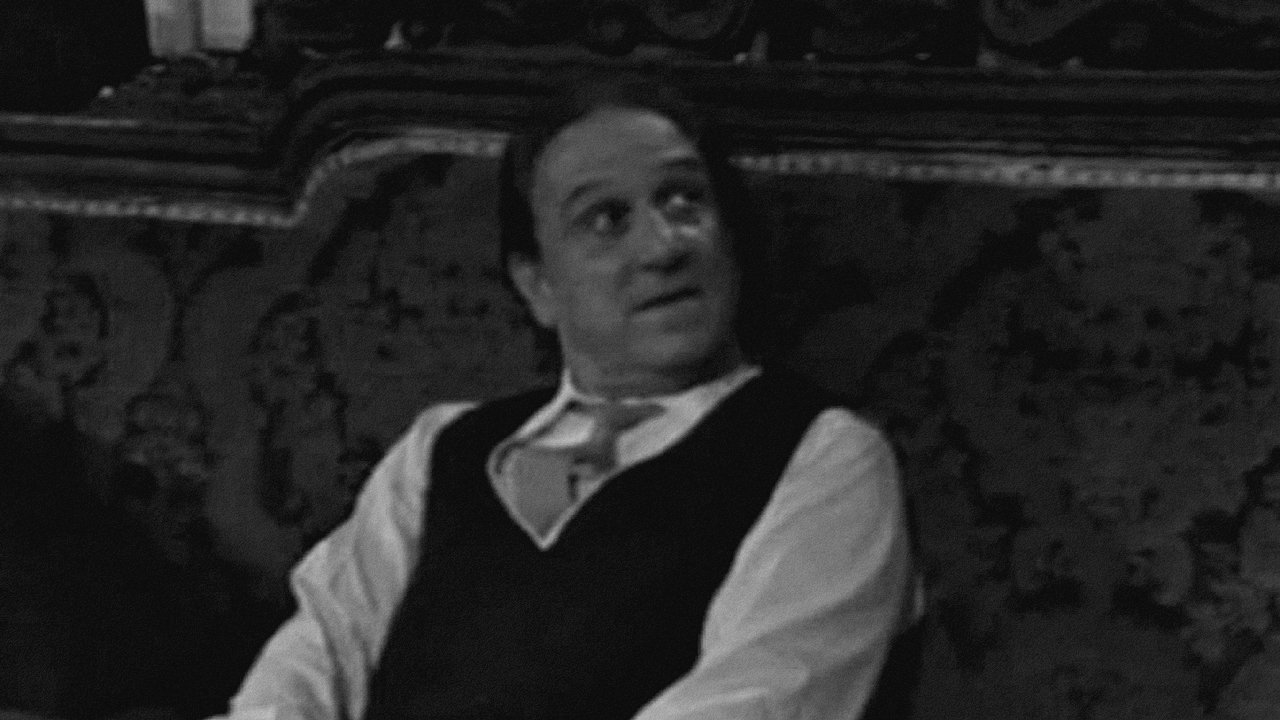
Bisbi, a teen, takes on caring for her younger siblings in a cramped home ruled by Aris, a man who seems more a spectator of life than a participant. The cicada fable threads their days: Bisbi works hard while Aris waits for luck to improve their lot. She sees that survival depends on effort, not fortune, and she pushes against his inertia, urging the family to pitch in and pull together. The tension between wishful waiting and practical labor drives the drama, rooted in ordinary Spanish life. The film traces this struggle with steady, quiet focus, avoiding big shocks while asking how responsibility should be shared. The camera stays intimate as the family quietly begins anew.
Directed by Pedro Amâlio López with a script by Alfonso Paso, this 1973 Spanish television drama presents social realism and stars José Bódalo and Maribel Martín in the central family dynamic. The production reflects the era's television language with intimate close ups.
Critics noted its restrained, observant tone that foregrounds a daughter's burden amid a lazy patriarch. The film probes themes of responsibility, intergenerational pressure, and social neglect, highlighting how small steadiness can counteract a household's drift toward ruin. Performances by the leads, especially Maribel Martín, drew quiet praise in contemporary reviews.
Although primarily a TV movie, its focus on practical labor and family duty sits in Spain's 1970s cultural conversation about modernization and gender roles. Bisbi's resilience and the quiet critique of dependence left a small mark on viewers and later discussions in social realist traditions, particularly among aspiring writers and dramatists.
No major awards or nominations are on record for this TV movie. Within its era, it largely lived as a television feature, though a few contemporary reviews praised the cast and its restrained storytelling. Its modest fame endures mainly among fans of classic Spanish television.
Details
- Release Date
- June 01, 1973
- Runtime
- 1h 28m
- Type
- Movie
- Genres
- Drama, TV Movie
- Country
- Spain
- Studio
- TVE
- External Links
- View on IMDB
Cast

José Bódalo
Aris

Maribel Martín
Bisbi

Irene Daina
Elisa
Pedro Osinaga
Alfredo
Isabel María Pérez

Manuel Dicenta
Pepe
Director: Pedro Amalio López
Written by: Alfonso Paso