Energy of Delusion
Energy of Delusion compresses some of cinema's longest, most demanding works into a brief, intense experience. Rather than telling a single story it strings together concentrated fragments from landmark films, collapsing hours of attention into a short span so the viewer can hold an entire work... Read more
Where to Watch "Energy of Delusion"
Not Currently Streaming
This title isn't available for streaming in the US right now.
Not Currently Available On (8 platforms)


Streaming availability last verified: January 13, 2026
About Energy of Delusion
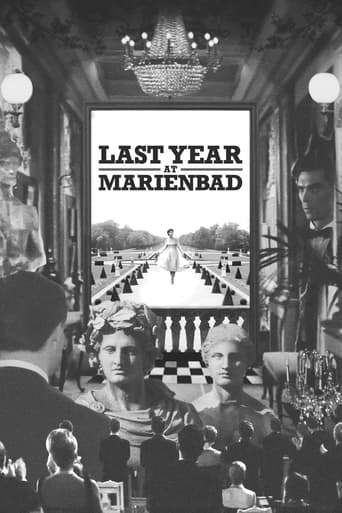
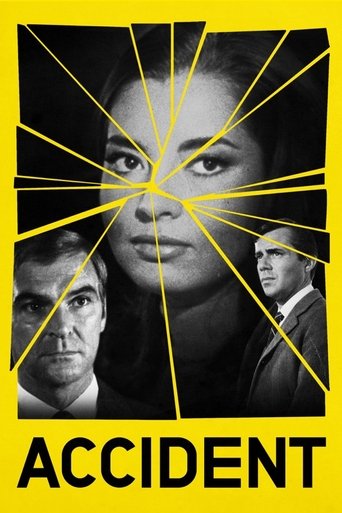
Energy of Delusion compresses some of cinema's longest, most demanding works into a brief, intense experience. Rather than telling a single story it strings together concentrated fragments from landmark films, collapsing hours of attention into a short span so the viewer can hold an entire work in memory at once. The film treats recognition, recall, and cinematic duration as material to be reshaped, inviting a rapid succession of images that can feel like a Proustian rush or a hall of mirrors. It's an experimental proposition rather than a plot-driven feature, meant to test how much meaning and emotion survive when length is stripped away and formal limits are pushed. It asks what happens when epic cinema is squeezed into breath.
Released in 2015 and directed by Keith Sanborn, the film credits Delphine Seyrig and Jan Decorte among its performers. It isn't an adaptation of a single text, but a conceptual cinematic experiment presented to art house audiences and festival programmers.
No reliable box office figures are publicly available for this title, and it did not have a mainstream commercial release. Its circulation was largely limited, typical for experimental works, with screenings focused on specialized venues rather than wide theatrical distribution.
By condensing canonical films into intense snippets the film raises questions about memory, the archive, and how duration shapes meaning. Within experimental film circles and academic programs it's often referenced as a provocative thought experiment about spectatorship and saturation, useful for discussions about montage, attention, and the ethics of reuse.
Reactions depend on how much prior exposure to long-form cinema a viewer has. For some this approach illuminates how compression alters recognition and feeling, concentrating motifs until patterns emerge, while others find the rapid cuts alienating. Thematically it takes on memory, duration, and the limits of cinematic representation and spectatorship.
Details
- Release Date
- January 01, 2015
- Runtime
- 10m
- Type
- Movie
Cast

Delphine Seyrig
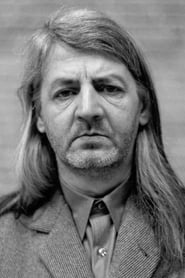
Jan Decorte
Director: Keith Sanborn