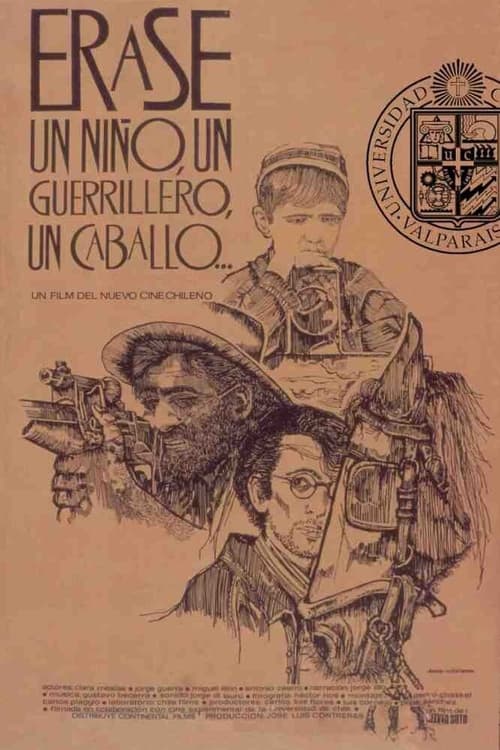
Érase un niño, un guerrillero, un caballo…
The film stitches together three short pieces derived from Jorge Lillo's writing into a single, reflective feature. Each segment focuses on different figures suggested by the title, shifting perspective between a child, a guerrilla, and a horse to create a mosaic of scenes rather than a single... Read more
Where to Watch "Érase un niño, un guerrillero, un caballo…"
Not Currently Streaming
This title isn't available for streaming in the US right now.
Not Currently Available On (8 platforms)


Streaming availability last verified: January 14, 2026
About Érase un niño, un guerrillero, un caballo…
The film stitches together three short pieces derived from Jorge Lillo's writing into a single, reflective feature. Each segment focuses on different figures suggested by the title, shifting perspective between a child, a guerrilla, and a horse to create a mosaic of scenes rather than a single linear story. The tone is contemplative and sometimes stark, favoring moments and encounters over explanation. Viewers are meant to sit with images and fragments, letting the mood and recurring motifs carry meaning instead of a conventional plotline or resolved conclusions.
Helvio Soto directed the 1967 release, adapting Jorge Lillo's text into three linked shorts assembled as one feature. The film emerged during a period of experimentation in Latin American cinema.
Commercial performance and box office totals for this title are poorly documented, with no widely cited gross figures available. It did not register as a mainstream commercial hit and circulated mainly in niche venues.
Critical records from the time are sparse, though modern commentators note the film's interest in atmosphere, social tensions, and visual storytelling. It emphasizes rural and political undertones while experimenting with form, pacing, and the juxtaposition of ordinary life and conflict. Audiences who appreciate nontraditional narrative structure often respond to its patient scenes and elliptical approach to character.
While the film has never been a mainstream classic, it has attracted attention among students and historians of Chilean and Latin American cinema for its hybrid assembly of shorts and its period context. Prints and screenings have been rare, so its reputation rests on festival showings, archive screenings, and academic references more than on popular memory. For viewers interested in cinematic experiments from the 1960s and films that favor suggestion over exposition, this piece offers an intriguing, if elusive, experience.
Details
- Release Date
- December 04, 1967
- Type
- Movie
- Genres
- Drama
Cast
Clara Mesias
Jorge Guerra
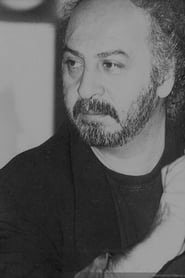
Miguel Littín
Antonio Castro
Jorge Lillo
Written by: Helvio Soto