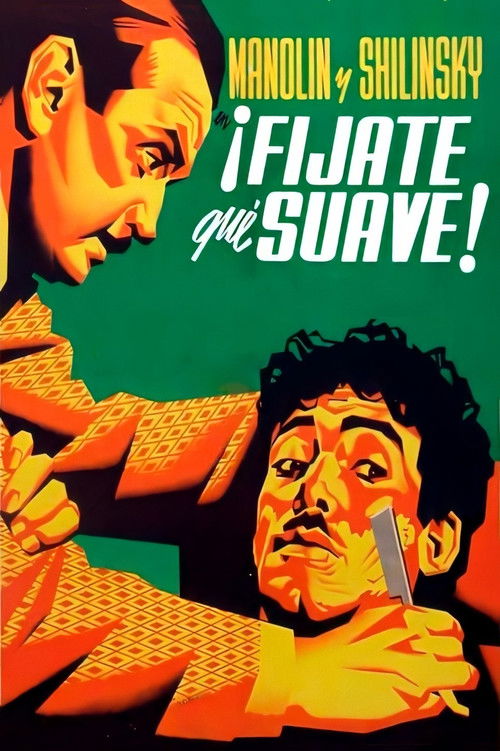
¡Fíjate qué suave!
There are two sisters who are about to inherit a substantial fortune, and the news sets off a scramble among local suitors who see marriage as a shortcut to wealth. The film follows a series of courtship schemes, misunderstandings and comic rivalries as hopeful husbands compete, plot and bungle... Read more
Where to Watch "¡Fíjate qué suave!"
Not Currently Streaming
This title isn't available for streaming in the US right now.
Not Currently Available On (8 platforms)


Streaming availability last verified: January 14, 2026
About ¡Fíjate qué suave!
There are two sisters who are about to inherit a substantial fortune, and the news sets off a scramble among local suitors who see marriage as a shortcut to wealth. The film follows a series of courtship schemes, misunderstandings and comic rivalries as hopeful husbands compete, plot and bungle their way through social gatherings, family negotiations and mistaken identities. Manolín and Schillinsky are central to the mischief, while Chayito and Don Cayetano react with a mix of wit and exasperation. The pace stays brisk, the jokes come from character mismatches and timing, and the focus remains on lighthearted social satire rather than romantic sincerity. Several set-pieces highlight manners and class pretensions. Many scenes hinge on gossip, small deceptions and timing.
¡Fíjate qué suave! was released in 1948, directed by Juan Bustillo Oro. The Mexican comedy stars Manuel Palacios, Estanislao Schillinsky, Amanda del Llano and Agustín Isunza, reflecting the era's studio scene. It was produced for Mexican audiences and urban theaters.
Reliable box office figures for this film aren't readily available, and there are no widely published records of its commercial performance, common for many regional releases from that period. This lack of data reflects incomplete records for many 1940s releases.
Within Mexican cinema history the film is a modest example of postwar comic styles, showing stock character types and situational farce that later comedians would echo. It helped keep light matrimonial comedy in the public eye, even if it didn't become a major landmark. It remains a period curiosity today still.
Critical response is limited; contemporary ratings are sparse, though a small sample gives it a 6.2/10 average from six votes. The film plays on themes of greed, social posturing and romantic pretense, favoring farce over deep moral reflection. Performances lean into broad comic timing, especially from Palacios and Schillinsky, bringing charm and lightheartedness.
Details
- Release Date
- January 29, 1948
- Runtime
- 1h 22m
- User Ratings
- 6 votes
- Type
- Movie
- Genres
- Comedy
- External Links
- View on IMDB
Cast
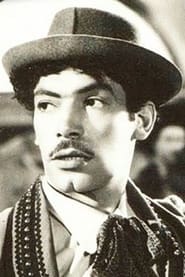
Manuel Palacios
Manolín
Estanislao Schillinsky
Schillinsky
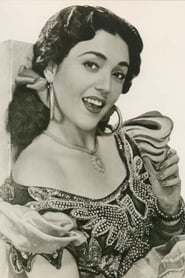
Amanda del Llano
Chayito

Agustín Isunza
Don Cayetano
Director: Juan Bustillo Oro