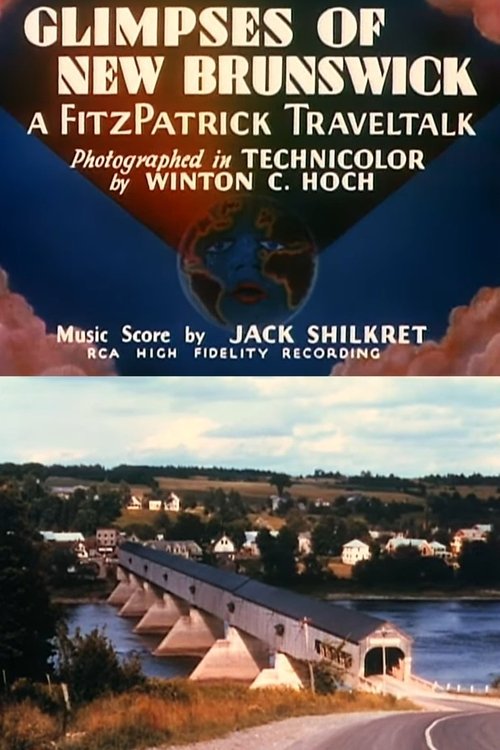
Glimpses of New Brunswick
Glimpses of New Brunswick is a short travel documentary that presents a series of scenes from life in Canada’s maritime province. FitzPatrick moves between small towns, harbors, forests, and community gatherings, showing work, seasonal routines, and local crafts without inventing a fictional... Read more
Where to Watch "Glimpses of New Brunswick"
Not Currently Streaming
This title isn't available for streaming in the US right now.
Not Currently Available On (8 platforms)


Streaming availability last verified: January 13, 2026
About Glimpses of New Brunswick
Glimpses of New Brunswick is a short travel documentary that presents a series of scenes from life in Canada’s maritime province. FitzPatrick moves between small towns, harbors, forests, and community gatherings, showing work, seasonal routines, and local crafts without inventing a fictional storyline. The commentary points out fisheries, lumber activities, and landmarks while the camera lingers on people going about daily tasks, market scenes, and regional celebrations. Rather than dramatizing individuals, the film strings together observational moments and spoken description to give viewers a sense of place and everyday rhythms in New Brunswick in the late 1930s. It was produced as a TravelTalks short.
Released in 1938, the film was directed and narrated by James A. FitzPatrick as part of his TravelTalks series, which compiled short documentaries about regions worldwide. It draws on location footage and studio narration typical of the series of filmmaking
As a short travelogue from the 1930s, detailed box office records were not maintained or have not survived, so no reliable theatrical gross is available. These films were generally distributed as shorts accompanying feature programs in both domestic and international
While not widely remembered today, the film contributed to a popular 1930s appetite for travelogues that shaped impressions of far regions. Its imagery and descriptive narration reflect period attitudes toward industry, rural life, and tourism, and it survives as a historical artifact for scholars and enthusiasts of early documentary cinema.
Contemporary reviews often treated such shorts as informative diversions rather than art, and modern viewers read this film as a record of 1930s social and economic life in New Brunswick. Recurring themes include the relationship between people and landscape, resource-based livelihoods, and regional identity framed for outside audiences for historians.
Details
- Release Date
- March 19, 1938
- Runtime
- 9m
- Type
- Movie
- External Links
- View on IMDB
Cast

James A. FitzPatrick
Director: James A. FitzPatrick