Gummo
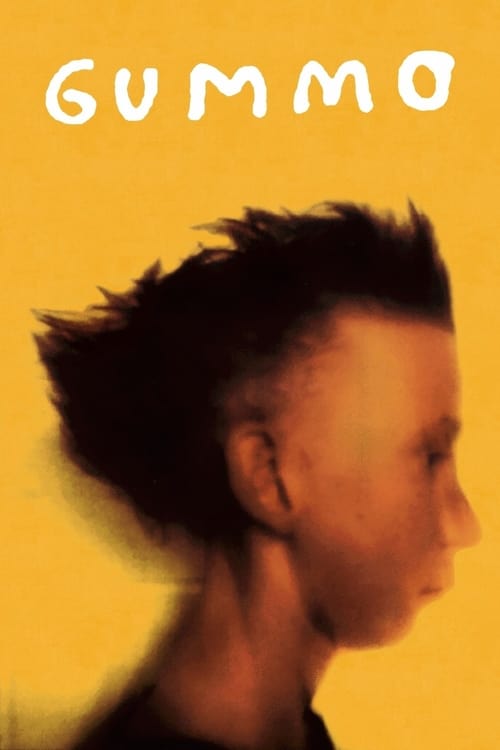
Set in the ruined, offbeat town of Xenia, Ohio, Gummo follows a loose constellation of young people and oddball residents as they pass time amid wreckage and decay. Solomon and his friend Tummler drift through abandoned lots, run-ins with local bullies, and strange errands that blur boredom and... Read more
Where to Watch "Gummo"
Not Currently Streaming
This title isn't available for streaming in the US right now.
Not Currently Available On (8 platforms)


Streaming availability last verified: January 14, 2026
About Gummo
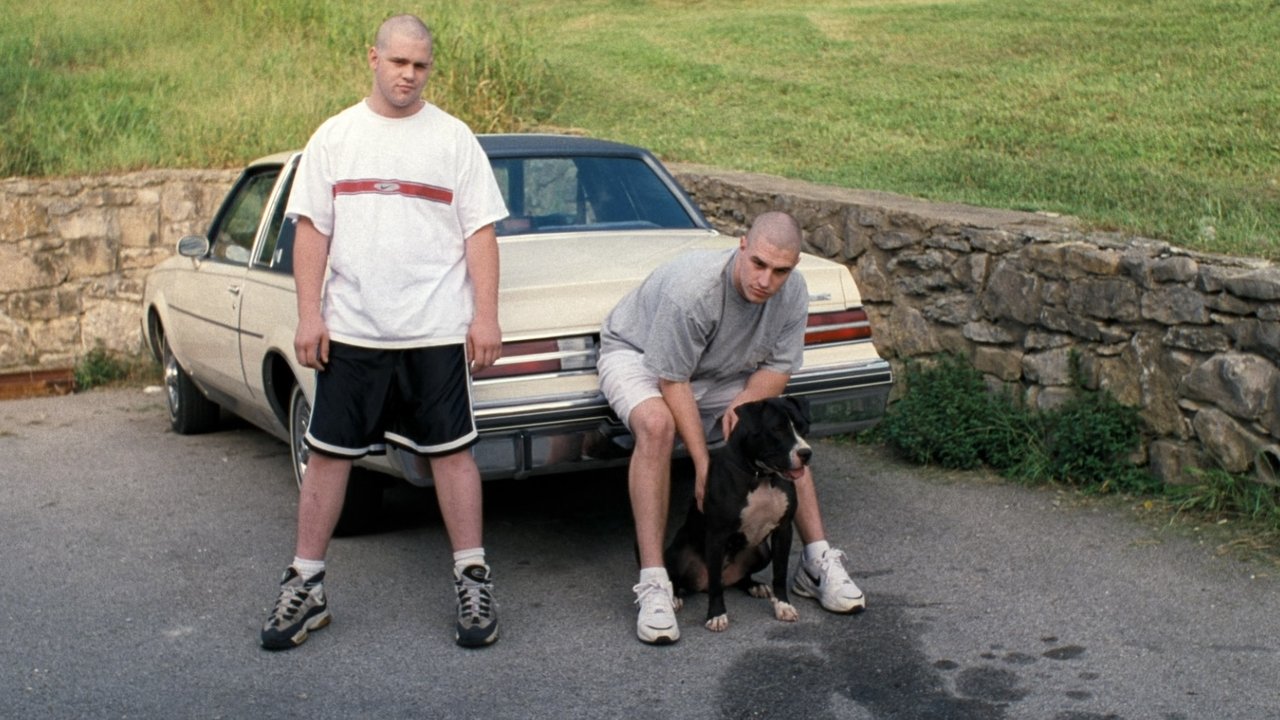
Set in the ruined, offbeat town of Xenia, Ohio, Gummo follows a loose constellation of young people and oddball residents as they pass time amid wreckage and decay. Solomon and his friend Tummler drift through abandoned lots, run-ins with local bullies, and strange errands that blur boredom and cruelty. The film skips conventional plot beats, assembling scenes that range from small domestic moments to surreal, unsettling episodes. It paints a portrait of a community left hollow after a past tornado, where routines, pranks, and unusual friendships fill empty days. The result is more impression than narrative, a collage of gestures and snapshots that linger in the mind. Characters float between cruelty, humor, and strange tenderness without clear resolution or comfort.
Gummo was written and directed by Harmony Korine as his first feature after scripting Kids, released in 1997. The film was shot on a low budget using nonprofessional actors and a deliberately rough, experimental aesthetic that divided critics and viewers.
The picture opened in a limited theatrical release and was never aimed at mainstream audiences. Its commercial returns were modest, reflecting narrow distribution and divisive content, though home video and festival screenings expanded its cult reach gradually over subsequent years.
Critics were split, some praising Korine for fearless oddness, others disturbed by its improvisational cruelty and bleak humor. The film probes marginal lives, disrupted families, and American neglect, favoring mood and texture over plot. Its style asks viewers to look, often uncomfortably, at poverty, isolation, and small town desolation, and ambiguity.
Over time Gummo attained cult status, influencing indie filmmakers drawn to transgressive, collage like storytelling. It introduced Chloë Sevigny to a wider audience and became a reference point for films that mix documentary texture with staged provocation. Its unsettling imagery and tone kept it controversial but enduringly discussed in cinema.
Details
- Release Date
- October 17, 1997
- User Ratings
- 682 votes
- Type
- Movie
- Genres
- Drama, Comedy
Official Trailer
Cast

Jacob Reynolds
Solomon

Jacob Sewell
Bunny Boy

Nick Sutton
Tummler

Chloë Sevigny
Dot
Darby Dougherty
Darby

Carisa Glucksman
Helen
Lara Tosh
Girl in Car
Jason Guzak
Skinhead #1
Casey Guzak
Skinhead #2
Wendall Carr
Huntz
Director: Harmony Korine