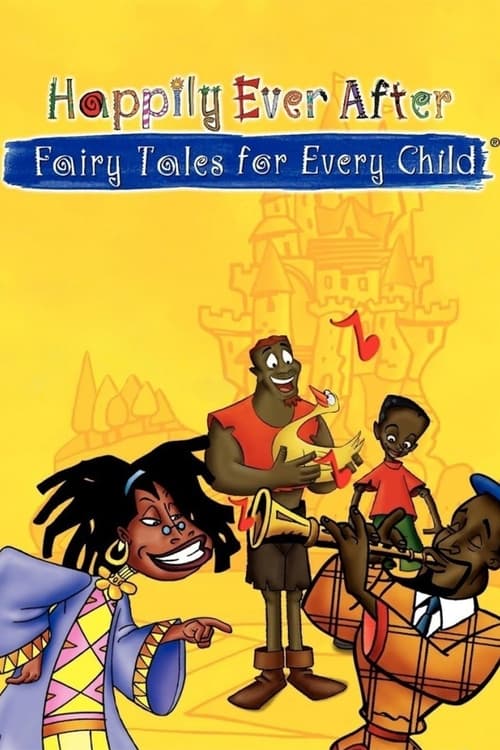
Happily Ever After: Fairy Tales for Every Child
Happily Ever After: Fairy Tales for Every Child turns familiar fairy tales into short, self-contained animated stories set in a wide array of cultural environments. Each episode retells a classic like Cinderella or Snow White, but relocates the plot, characters and aesthetics so the tale reflects... Read more
Stream NowWhere to Watch "Happily Ever After: Fairy Tales for Every Child"


Not Currently Available On (7 platforms)


Streaming availability last verified: January 19, 2026
About Happily Ever After: Fairy Tales for Every Child
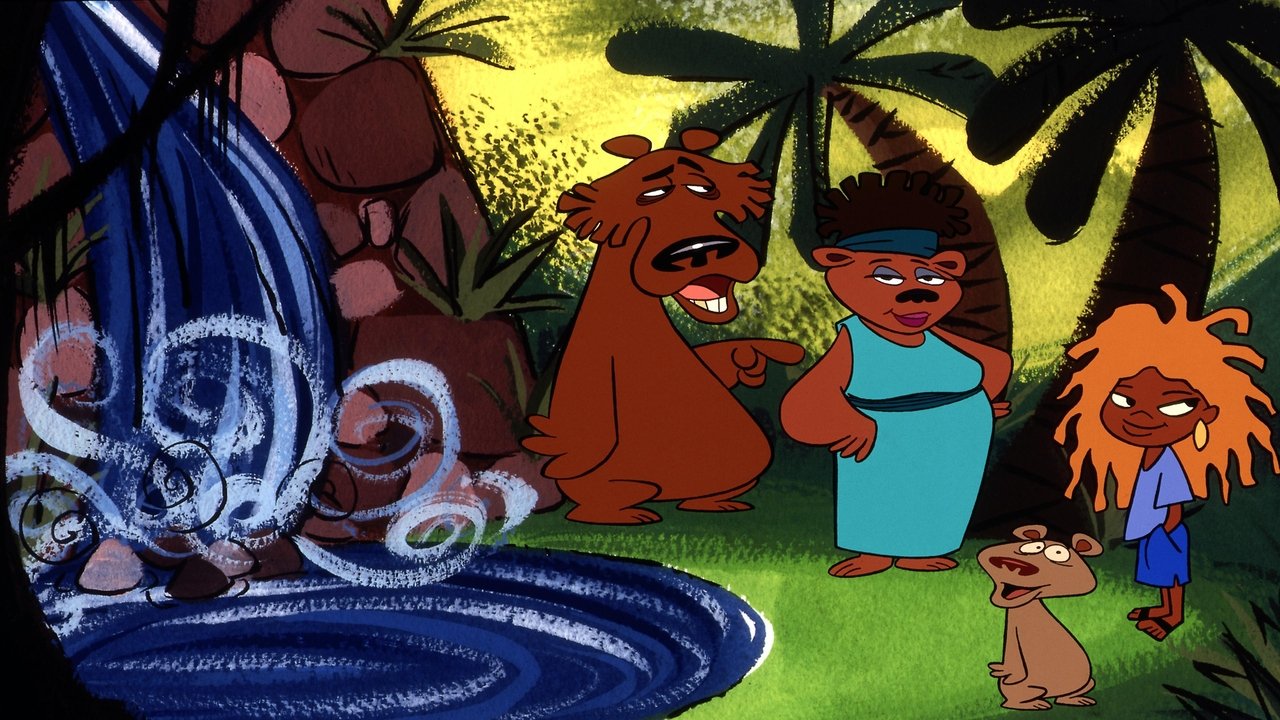
Happily Ever After: Fairy Tales for Every Child turns familiar fairy tales into short, self-contained animated stories set in a wide array of cultural environments. Each episode retells a classic like Cinderella or Snow White, but relocates the plot, characters and aesthetics so the tale reflects particular traditions, music and community life. Robert Guillaume provides a calm, guiding narration that links episodes while allowing distinct voice casts and art styles to give each story its own personality. The scripts keep plots simple and family friendly, prioritizing clear moral points and cultural detail over complex plotting, so viewers can enjoy any episode on its own.
Premiering in 1995 on HBO, the animated anthology adapted public-domain folk tales and fairy tales for television, with Robert Guillaume as series narrator. Episodes were produced as short animated segments, often by different creative teams, which contributed to varied visual and musical approaches across the run.
By intentionally reimagining tales in African American, Latinx, Asian, Native American and other cultural settings, the series helped normalize diverse representation in kids programming. Its approach encouraged other creators to think about context and casting, and it remains a frequently cited example when people discuss inclusive retellings and multicultural children's media.
Critical and audience response was mixed to modest overall, reflected in a middling user score. Viewers and reviewers tended to praise episodes that fully inhabited their new settings while finding some installments inconsistent. Recurring themes include family bonds, community support, cleverness and cultural pride, with many episodes emphasizing how a story changes when told through a different cultural lens.
The show did not collect major industry awards, but it found an appreciative audience among parents, teachers and cultural organizations seeking diverse storytelling for young viewers. Its legacy is more about representation and educational use than trophies, and it continues to surface in conversations about inclusive animation for children.
Details
- Release Date
- March 12, 1995
- User Ratings
- 10 votes
- Type
- TV Series
- Seasons
- 3
- Episodes
- 39
- Genres
- Animation
Cast
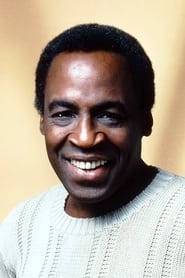
Robert Guillaume
Narrator (voice)
Seasons (3 seasons, 39 episodes)
Season 1
13 episodes - 1995
Season 2
13 episodes - 1997
Season 3
13 episodes - 1999