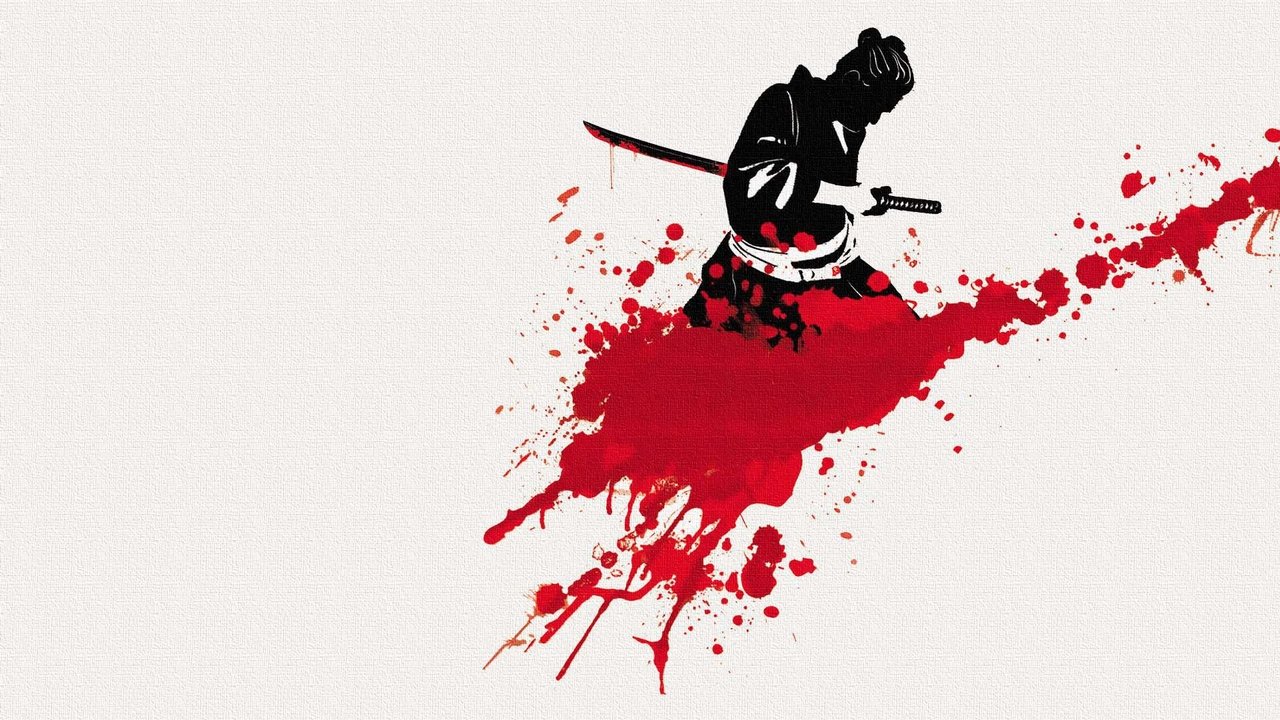
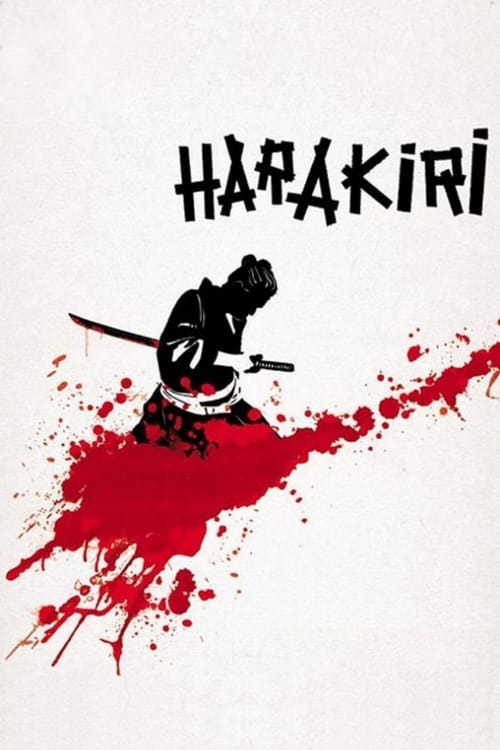
Harakiri
"What befalls others today, may be your own fate tomorrow."
An aging ronin named Hanshiro Tsugumo arrives at the grand House of Iyi with a stark goal to end his life by seppuku, seeking the presence of a trusted second to witness and finish the ritual. He hopes to die with dignity and to restore some meaning to a life without family or means. The clan's... Read more
Watch NowWhere to Watch "Harakiri"


Not Currently Available On (8 platforms)


Streaming availability last verified: February 09, 2026
About Harakiri
An aging ronin named Hanshiro Tsugumo arrives at the grand House of Iyi with a stark goal to end his life by seppuku, seeking the presence of a trusted second to witness and finish the ritual. He hopes to die with dignity and to restore some meaning to a life without family or means. The clan's senior counselor treats the man's claim as a test of character, suspecting Hanshiro may be seeking charity rather than a noble end. What follows is a pair of linked stories that push back on simple ideas of honor and respect, revealing the deeper debts and power dynamics behind the samurai code. The tension hints at hypocrisy among those in power. Justice demands deeper scrutiny.
Directed by Masaki Kobayashi, Harakiri was released in 1962 and written for the screen by Yasuhiko Takiguchi and Shinobu Hashimoto. The film is widely praised for its formal restraint and moral intensity, with stark visuals and tight, dialogue driven scenes.
Box office data for Harakiri is not readily available in mainstream sources, but the film is recognized as one of Kobayashi's defining works and a milestone in classic Japanese cinema worldwide. Its influence is acknowledged by scholars and festival programmers.
Harakiri is known for its stark visuals, unflinching courtroom like confrontations, and a patient pace that rewards moral scrutiny. It helped redefine samurai cinema by foregrounding ethics over action and has influenced directors and critics seeking nuanced anti heroic storytelling. Its austere approach reshapes film dialogue about power and obedience.
Critics praise its examination of honor as a social construct and its humane portrayal of characters trapped by duty and poverty. The film confronts the costs of tradition and questions whether loyalty to a code can survive brutal social hierarchies, a message that resonates well beyond its setting these days.
Details
- Release Date
- September 15, 1962
- Runtime
- 2h 15m
- Rating
- NR
- User Ratings
- 1,160 votes
- Type
- Movie
- Genres
- Action, Drama, History
- Country
- Japan
- Studio
- Shochiku
- External Links
- View on IMDB
Official Trailer
Cast

Tatsuya Nakadai
Hanshiro Tsugumo

Akira Ishihama
Motome Chijiiwa

Shima Iwashita
Miho Tsugumo

Tetsuro Tamba
Hikokuro Omodaka

Masao Mishima
Tango Inaba

Ichirō Nakatani
Hayato Yazaki

Kei Satō
Masakazu
Yoshio Inaba
Jinai Chijiiwa

Hisashi Igawa
Retainer
Toru Takeuchi
Retainer
Director: Masaki Kobayashi
Written by: Yasuhiko Takiguchi, Shinobu Hashimoto