Hiroshima: The Time of Return
Luc Lagier's documentary reexamines Alain Resnais' Hiroshima mon amour by setting the film against its historical backdrop and the director's own career. Instead of summarizing the fiction film, Lagier traces how an initial short documentary concept evolved into a more allegorical, formally... Read more
Where to Watch "Hiroshima: The Time of Return"
Not Currently Streaming
This title isn't available for streaming in the US right now.
Not Currently Available On (8 platforms)


Streaming availability last verified: January 14, 2026
About Hiroshima: The Time of Return
Luc Lagier's documentary reexamines Alain Resnais' Hiroshima mon amour by setting the film against its historical backdrop and the director's own career. Instead of summarizing the fiction film, Lagier traces how an initial short documentary concept evolved into a more allegorical, formally daring work. The film pieces together production records, archival footage and the letters exchanged between Marguerite Duras and Resnais to map creative choices and editorial shifts. Lagier's narration points out how decisions about voice, image and memory shaped the final film, and he frames those choices within postwar debates about representing trauma, while staying distinct from the original movie's emotional fabric.
Released in 2005, the documentary was directed and narrated by Luc Lagier. It draws heavily on primary materials, notably correspondence between Resnais and Marguerite Duras, and includes voice contributions from Resnais and Duras to anchor its historical perspective.
By foregrounding previously scattered documents and taped exchanges, the film helped steer renewed interest in the origins of Hiroshima mon amour. It offers critics and students concrete material to reassess authorship and the ethics of cinematic memory, and it has been cited in discussions about how archival evidence can reshape readings of canonical films.
Critical response has been modest and largely concentrated within specialized circles, with the film appealing mostly to film historians and cinephiles. The work emphasizes themes of memory, authorship, editorial decision making and the limits of representation when confronting historical catastrophe, favoring analytical reconstruction over dramatization or spectacle.
There are no widely documented major awards associated with this documentary. Its impact is clearer in academic and curatorial contexts than in mainstream recognition, where it functions as a resource for deeper study of Resnais, Duras and the making of a landmark postwar film.
Cast
Luc Lagier
Narrator
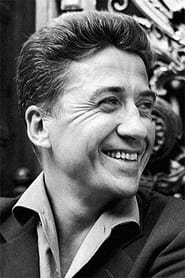
Alain Resnais
(voice)

Marguerite Duras
(voice)
Director: Luc Lagier