Historia de un amor
Historia de un amor follows a famous singer who revisits her past relationships through a series of flashbacks. As she sings and reflects, we see a life shaped by romance, ambition, and the demands of performing. The central threads involve her decision to adopt the illegitimate daughter of... Read more
Where to Watch "Historia de un amor"
Not Currently Streaming
This title isn't available for streaming in the US right now.
Not Currently Available On (8 platforms)


Streaming availability last verified: January 14, 2026
About Historia de un amor
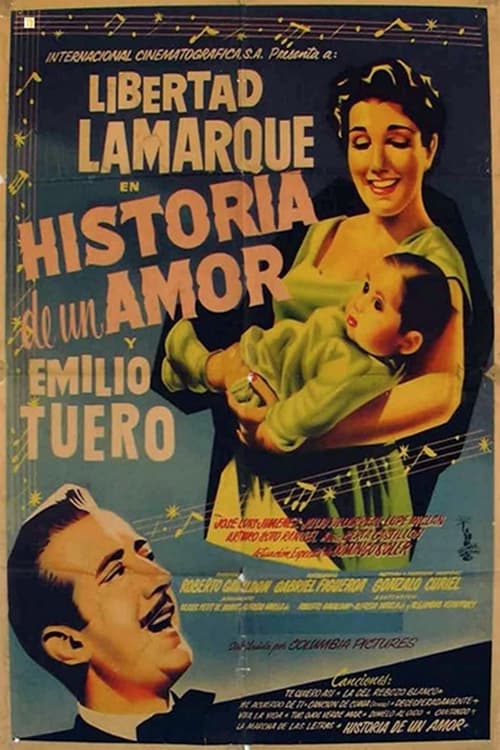
Historia de un amor follows a famous singer who revisits her past relationships through a series of flashbacks. As she sings and reflects, we see a life shaped by romance, ambition, and the demands of performing. The central threads involve her decision to adopt the illegitimate daughter of another woman, a choice that tests loyalties and social expectations. She later enters into a marriage that brings happiness and complications alike, while the baby's grandparents react with jealousy and concern. What unfolds is less a single love story than a mosaic of memories, where music and emotion blur the line between duty and desire.
Directed by Roberto Gavaldón, this 1956 melodrama stars Libertad Lamarque, Emilio Tuero, Domingo Soler, Arturo Soto Rangel, and Julio Villarreal. It sits within Gavaldóns prolific mid century Mexican cinema era, celebrated for polished production and strong emotional storytelling. The film blends musical performance with quiet dialogue, letting Lamarque's presence carry much of the drama. Its visuals employ intimate close ups and elegant sets that capture the glamour and social codes of the time.
Critics of the period noted its lush mood and Lamarque's potent stage presence. The film interrogates memory and how romance, fame, and duty reshape a woman's choices, balancing intimate longing with social expectations and the cost of loving openly, especially when the past returns through song. The musical interludes are not mere scene dividers but active storytelling devices, guiding viewers through memory and emotion.
For fans of classic Mexican cinema, Lamarque's performance anchors this title, offering a window into the era's musical melodramas where song doubles as storytelling. The movie reflects a time when romance and family ties drove big screen emotion, while the score helps steer the emotional pulse. Lamarque's vocal performances anchor the film's emotional arc and help thread the narrative between flashbacks and present moments.
Box office details from the 1950s are not consistently recorded, and modern catalogs vary. This title is usually highlighted for its cast and director rather than a clear commercial impact. The film benefited from Lamarque's popularity and Gavaldón's prestige, drawing audiences to melodrama with musical numbers.
Details
- Release Date
- February 15, 1956
- Runtime
- 1h 48m
- User Ratings
- 2 votes
- Type
- Movie
- External Links
- View on IMDB
Cast
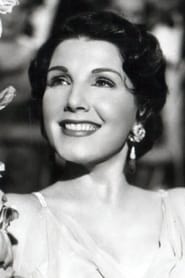
Libertad Lamarque
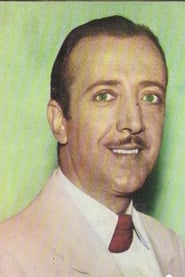
Emilio Tuero

Domingo Soler

Arturo Soto Rangel
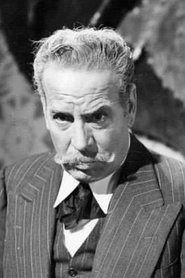
Julio Villarreal
Lupe Inclán
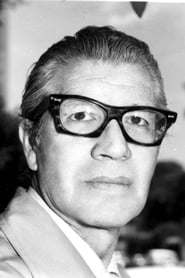
Augusto Benedico

Antonio Raxel
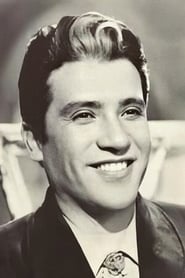
Miguel Aceves Mejía
Director: Roberto Gavaldón