
Ichi the Killer
"Love really hurts."
Two brutal currents run through a criminal underworld that never loosens its grip on people who live in the margins. Kakihara, a sadomasochistic enforcer for a yakuza faction, tracks down his missing boss with icy determination and a flair for theatrical cruelty. In his path appears Ichi, a... Read more
Watch NowWhere to Watch "Ichi the Killer"

Not Currently Available On (8 platforms)


Streaming availability last verified: January 31, 2026
About Ichi the Killer
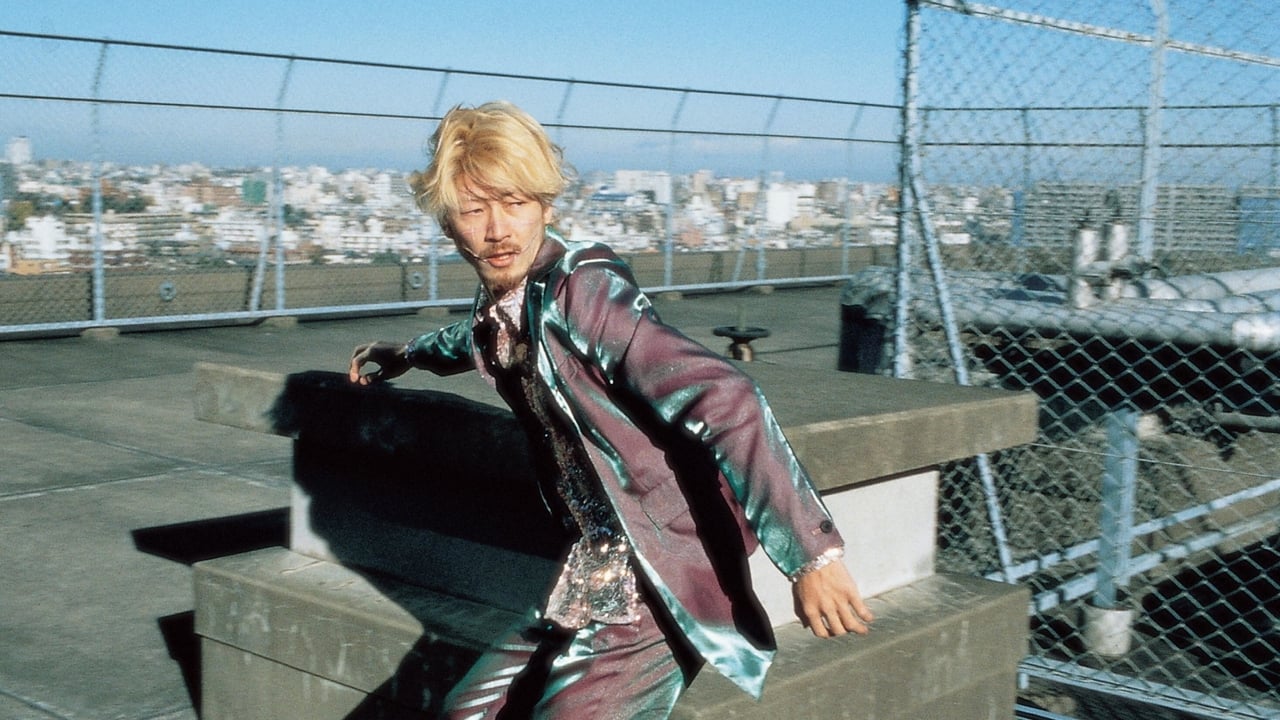
Two brutal currents run through a criminal underworld that never loosens its grip on people who live in the margins. Kakihara, a sadomasochistic enforcer for a yakuza faction, tracks down his missing boss with icy determination and a flair for theatrical cruelty. In his path appears Ichi, a quiet, emotionally scarred killer whose capacity for pain and indifference to harm shocks everyone who observes him. As their uneasy connections tighten, the film follows a web of loyalties, betrayals, and escalating violence. What binds them is not loyalty but a warped code that revels in damage. The tension comes from the way fear and desire coil around each motive, creating a claustrophobic portrait of a criminal world.
Released in 2001 and directed by Takashi Miike, the film adapts the manga Ichi the Killer by Sakichi Sato and Hideo Yamamoto, delivering Miike's trademark blend of shock and dark humor.
The movie has become a touchstone for extreme cinema, often cited for its uncompromising visuals, inventive gore and the way its performers inhabit unspoken dread. Tadanobu Asano's Kakihara and the film's feverish atmosphere influenced peers and inspired later wild, boundary pushing crime and horror projects.
Critics divided on how the violence serves the story, but many praised Miike for a bold, ruthless voice and a stark look at power, pain, and identity. The film questions loyalty and desire through brutal exchanges that linger long after the screen fades.
Details
- Release Date
- December 22, 2001
- Runtime
- 2h 9m
- User Ratings
- 1,065 votes
- Type
- Movie
- Genres
- Action, Crime, Horror
- Country
- Japan
- Collection
- Ichi Collection
- Studio
- Omega Project +2 more
- Budget
- $1,400,010
- Box Office
- $80,631
- External Links
- View on IMDB
Official Trailer
Cast

Tadanobu Asano
Kakihara

Nao Omori
Ichi

Shinya Tsukamoto
Jijii

SABU
Kaneko

Paulyn Sun
Karen

Susumu Terajima
Suzuki

Shun Sugata
Takayama

Toru Tezuka
Fujiwara

Yoshiki Arizono
Nakazawa

Kiyohiko Shibukawa
Ryu Long
Director: Takashi Miike
Written by: Sakichi Sato, Hideo Yamamoto