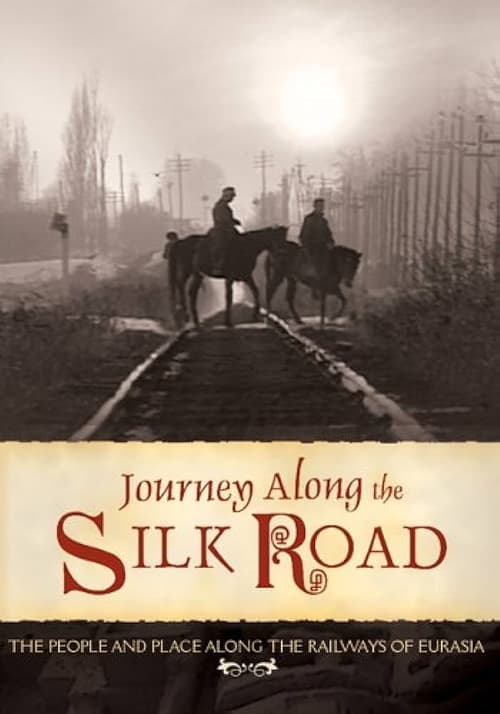
Journey Along the Silk Road
Actor Ken Ogata acts as guide through a visual survey of the Silk Road, following the ancient trade arteries that linked China with distant western regions. The documentary combines on-location footage of ruins, caravan tracks and empty desert expanses with interviews and artifact study,... Read more
Where to Watch "Journey Along the Silk Road"
Not Currently Streaming
This title isn't available for streaming in the US right now.
Not Currently Available On (8 platforms)


Streaming availability last verified: January 20, 2026
About Journey Along the Silk Road
Actor Ken Ogata acts as guide through a visual survey of the Silk Road, following the ancient trade arteries that linked China with distant western regions. The documentary combines on-location footage of ruins, caravan tracks and empty desert expanses with interviews and artifact study, presenting archaeological evidence alongside historical context. It gives sustained attention to a controversial proposal by French scholar Paul Pelloit, who argued for an alternative desert crossing, and the film lays out the arguments and field clues that support or contradict his claims. Rather than offering sweeping conclusions, it collects observations from specialists and local sites, letting viewers see how fragments of pottery, inscriptions and landscape features can shape competing reconstructions of past trade networks and routes.
Released in 2005, the film presents Ken Ogata as on-camera guide and narrator, blending scholarly interviews with location shooting. Full director and production credits are not widely published, suggesting a specialized release aimed at academic, documentary and festival audiences.
No reliable box office figures are available, and public records suggest the film did not have a major commercial release. It appears to have circulated mainly at festivals, academic screenings and occasionally television broadcasts rather than in wide theatrical distribution.
While it never became mainstream, the documentary brought attention to lesser filmed stretches of the Silk Road and the heated debate over alternative desert routes. Scholars and regional specialists have cited its field footage and interviews when discussing logistics of ancient trade; enthusiasts value its rare visuals of remote sites.
Critical coverage is sparse and audience ratings are limited, but the film is focused on material evidence, academic disagreement and the practicalities of long-distance trade. It favors a measured presentation of artifacts, site context and expert testimony, encouraging viewers to weigh competing reconstructions rather than accept a single definitive explanation.
Details
- Release Date
- January 01, 2005
- Type
- Movie
- Genres
- Documentary
Cast

Ken Ogata