Krapp's Last Tape
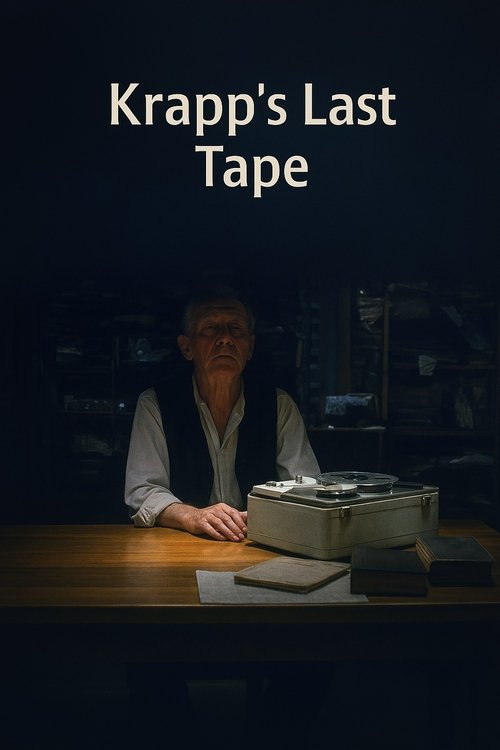
On his birthday an aging man named Krapp sits alone with a tape recorder and a box of old reels, listening back to a voice he recorded thirty years earlier. The film follows his methodical ritual of replaying a younger self, pausing on moments that once mattered and discarding what now feels... Read more
Where to Watch "Krapp's Last Tape"
Not Currently Streaming
This title isn't available for streaming in the US right now.
Not Currently Available On (8 platforms)


Streaming availability last verified: January 14, 2026
About Krapp's Last Tape
On his birthday an aging man named Krapp sits alone with a tape recorder and a box of old reels, listening back to a voice he recorded thirty years earlier. The film follows his methodical ritual of replaying a younger self, pausing on moments that once mattered and discarding what now feels empty. Memories surface as audio, and the contrast between the recorded enthusiasms and the presenter's quieter life creates an intimate, often uncomfortable conversation. The story stays focused on this simple act of recollection, using sound and silence to reveal how time reshapes desire, regret and the small consolations that keep a life intact.
This 2000 television adaptation was directed by Atom Egoyan and draws directly from Samuel Beckett's 1958 one-act play, with John Hurt performing the singular role of Krapp for the screen.
As a made-for-television version, it did not register a theatrical box office; its audience was reached through broadcast screenings and later home or archival releases rather than ticket sales.
Beckett's original piece is one of his best known short works, and this filmed staging introduced a wider television audience to its spare, audio-focused drama. Hurt's performance and Egoyan's measured camera work gave the material renewed attention among theater and film viewers interested in minimalist modern drama.
Viewer responses reflect appreciation for the film's meditation on memory and aging, with a recorded vote average of 7.4 out of 10 from eight votes. The adaptation emphasizes themes of identity and the persistence of past selves, asking how recordings preserve but also distort who we were. Many viewers point to the interplay of voice and silence, and to Hurt's ability to hold the screen, as central to the experience.
Details
- Release Date
- September 08, 2000
- Runtime
- 58m
- User Ratings
- 8 votes
- Type
- Movie
- Genres
- Drama, TV Movie
- Country
- Ireland
- Studio
- Tyrone Productions +4 more
- External Links
- View on IMDB
Cast

John Hurt
Krapp
Director: Atom Egoyan
Written by: Samuel Beckett