La cène
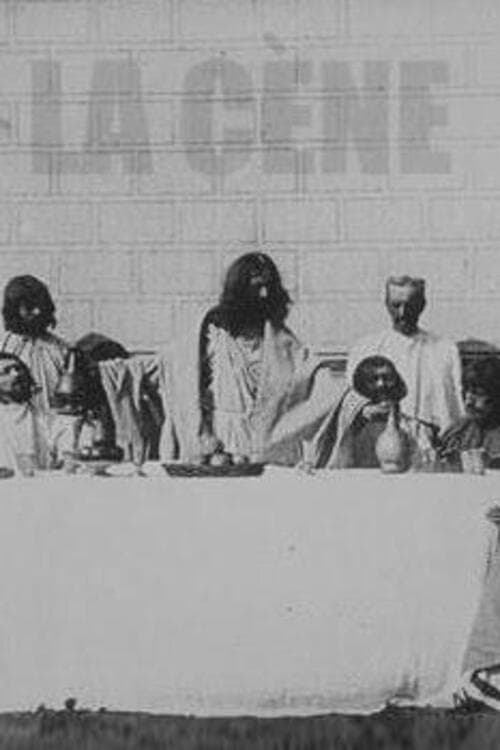
La cène presents a single staged depiction of the Last Supper, filmed in 1898. The short silent piece freezes the biblical meal into a theatrical picture, with Jesus at the center and his followers arranged around a table, their gestures suggesting conversation and ritual. There is no... Read more
Where to Watch "La cène"
Not Currently Streaming
This title isn't available for streaming in the US right now.
Not Currently Available On (8 platforms)


Streaming availability last verified: January 14, 2026
About La cène
La cène presents a single staged depiction of the Last Supper, filmed in 1898. The short silent piece freezes the biblical meal into a theatrical picture, with Jesus at the center and his followers arranged around a table, their gestures suggesting conversation and ritual. There is no conventional plot development or intertitles, the camera holding a steady view that lets the tableau speak for itself. The emphasis is on composition and presence rather than action, so viewers encounter an intimate, sculpted moment of a well known story, captured in the early years of cinema when filmmakers were translating painted and staged religious imagery into moving pictures.
Directed by Georges Hatot and released in 1898, the film is a black and white silent short featuring Jacques Hatot as Jesus, and it adapts the biblical Last Supper into a single filmed scene typical of the period.
No reliable box office records exist for this 1898 short, which is common for films from cinema's earliest decade. Commercial tracking was limited then, and distribution was handled through local exhibitors, fairs, and salons rather than the centralized markets that came later.
Historians point to La cène as an example of how early filmmakers borrowed theatrical and pictorial conventions to present sacred subjects. Its static framing and careful staging illustrate how late 19th century visual culture shaped cinema, and it appears in discussions about the roots of religious representation on screen.
Contemporary critical attention is sparse, and audience ratings are limited, with a small number of modern votes reflecting modest appreciation. The film's appeal is mostly historical: it's useful for studying performance style, iconography, and the transition from stage to screen, rather than for narrative cinema. Themes center on ritual, community, and the visual translation of religious painting into a photographed human scene.
Details
- Release Date
- November 01, 1898
- Runtime
- 1m
- User Ratings
- 6 votes
- Type
- Movie
- Country
- France
- Studio
- Société L. Gaumont et compagnie
- External Links
- View on IMDB
Cast
Jacques Hatot
Jesus
Director: Georges Hatot