La dama duende
A spirited young widow who once belonged to the viceroy of Peru faces a narrow future, with family pressure steering her toward a convent or a convenience marriage. Unwilling to accept either option, she decides to stir things up by pretending to be a duende, a mischievous ghost, so she can... Read more
Where to Watch "La dama duende"
Not Currently Streaming
This title isn't available for streaming in the US right now.
Not Currently Available On (8 platforms)


Streaming availability last verified: January 14, 2026
About La dama duende
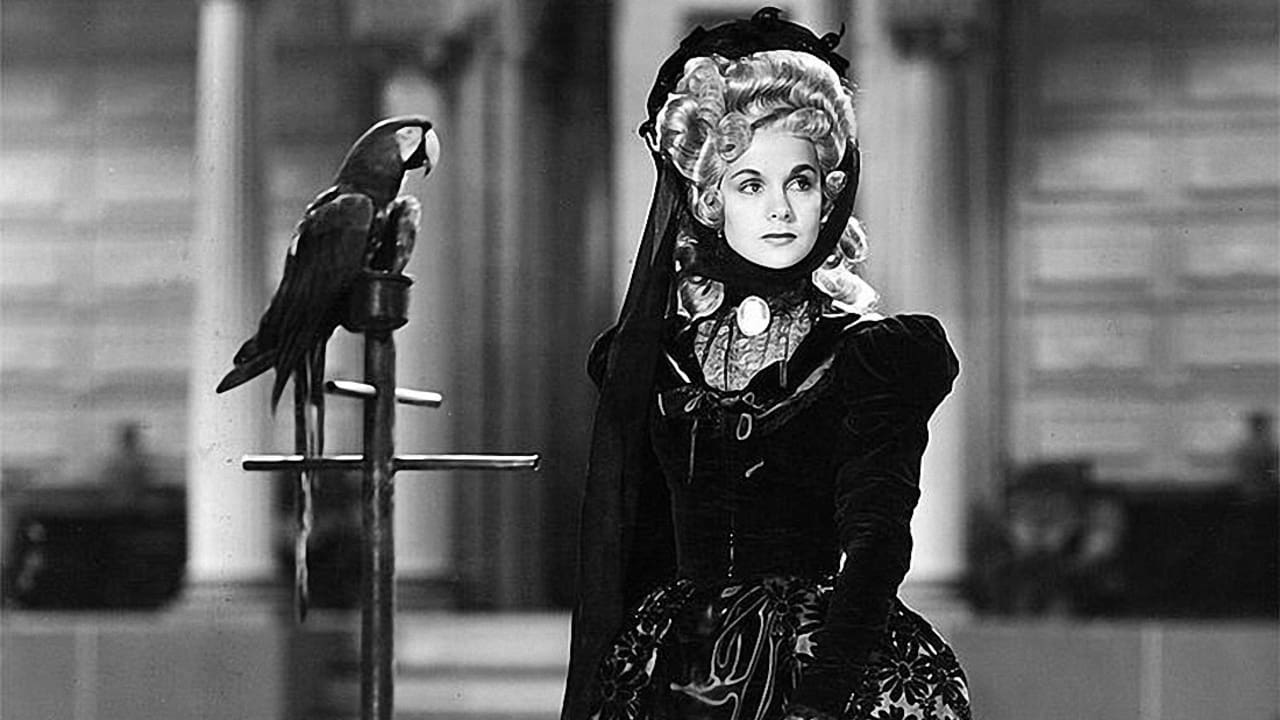
A spirited young widow who once belonged to the viceroy of Peru faces a narrow future, with family pressure steering her toward a convent or a convenience marriage. Unwilling to accept either option, she decides to stir things up by pretending to be a duende, a mischievous ghost, so she can pursue a charming officer on her own terms. The ruse sets off a series of comic misunderstandings and flirtations, as secrets and mistaken identities fuel witty encounters. The film keeps its tone light, relying on clever dialogue and stagecraft to explore how a woman uses disguise and rumor to claim agency in a rigid social world.
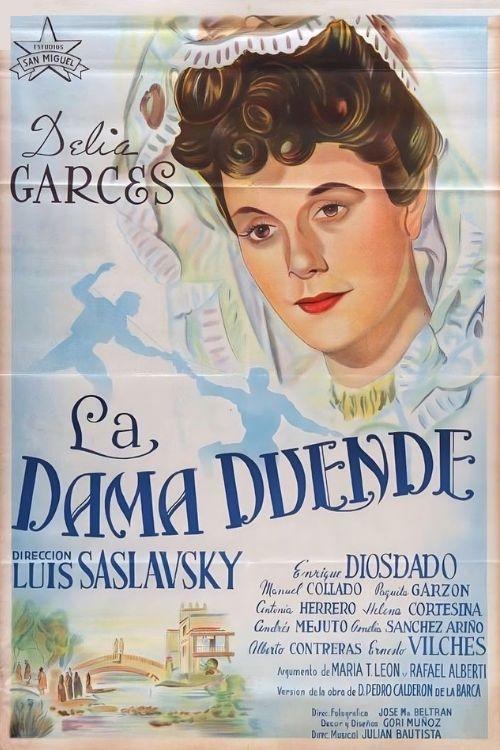
Released in 1945, La dama duende was directed by Luis Saslavsky and draws on material linked to Rafael Alberti, María Teresa León, and the Golden Age playwright Pedro Calderón de la Barca, adapting theatrical gestures for the screen.
Box office records for La dama duende are scarce, and detailed commercial returns aren't readily available, though the film circulated in Spanish-language markets following its release during the mid 1940s.
The movie matters for its transfer of a classic Calderón story into mid 20th century cinema, and for Delia Garcés' lively portrayal of Doña Angélica, which helped keep Golden Age theatrical motifs visible to contemporary audiences. Its theatrical staging and costumes reflect an effort to blend stage tradition with cinematic technique.
Critical responses have been mixed, reflected in modest modern ratings, but viewers often appreciate the film's comic timing and social satire. Key themes include gender roles, the politics of reputation, and the use of disguise as a way to test affection and authority, all framed within a romantic comedy that favors wit over melodrama.
Details
- Release Date
- May 17, 1945
- Runtime
- 1h 41m
- User Ratings
- 1 votes
- Type
- Movie
- Genres
- Comedy, Romance
- Country
- Argentina
- Studio
- Estudios San Miguel
- External Links
- View on IMDB
Cast

Delia Garcés
Doña Angélica
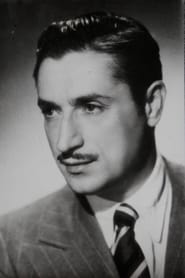
Enrique Diosdado
Don Manuel
Antonia Herrero
Doña Guiomar
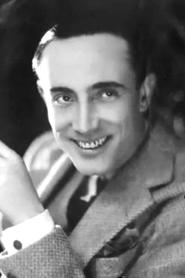
Manuel Collado
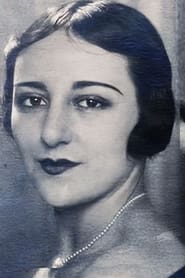
Helena Cortesina
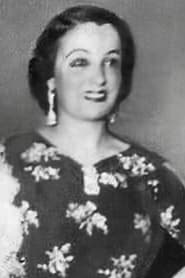
Paquita Garzón
Jeronima de Olmedo
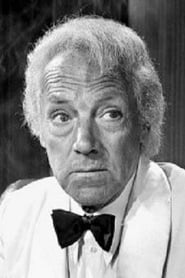
Andrés Mejuto
Don Hernando Peralta
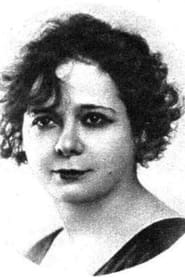
Amalia Sánchez Ariño
Juana
Francisco López Silva
Don Luis
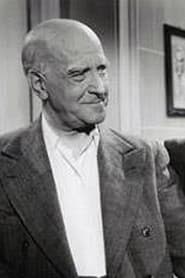
Alberto Contreras
Director: Luis Saslavsky
Written by: Rafael Alberti, María Teresa León, Pedro Calderón de la Barca