La piel de zapa
Rafael de Valentín is an indebted man who stumbles on a mysterious, enchanted hide that grants wishes in exchange for a piece of his life. At first the gifts seem like easy fixes, clearing debts and offering comforts he thought unreachable. But every use shrinks the skin and shortens his... Read more
Where to Watch "La piel de zapa"
Not Currently Streaming
This title isn't available for streaming in the US right now.
Not Currently Available On (8 platforms)


Streaming availability last verified: January 14, 2026
About La piel de zapa
Rafael de Valentín is an indebted man who stumbles on a mysterious, enchanted hide that grants wishes in exchange for a piece of his life. At first the gifts seem like easy fixes, clearing debts and offering comforts he thought unreachable. But every use shrinks the skin and shortens his remaining time, turning small satisfactions into costly bargains. As Rafael grows bolder with his requests, personal ties and romantic hopes complicate his choices. The film follows his escalating tradeoffs without revealing outcomes, laying out a moral problem where desire, consequence and the scarcity of time push a person to rethink what matters.
Released in 1943 and directed by Luis Bayón Herrera, La piel de zapa adapts Honoré de Balzac's novel with a screenplay credited to Leopoldo Torres Ríos and Raimundo Calcagno. The production is an Argentine take on the source material, featuring Hugo del Carril, Aída Luz and Florence Marly in principal roles.
Box office records for La piel de zapa are scarce, and precise earnings aren't readily available. It played within Argentina's wartime cinema scene, where distribution and reporting were uneven, so its commercial reach outside domestic audiences is poorly documented and hard to assess.
As an adaptation of Balzac's supernatural fable, the film helped keep the novel's central metaphor alive in Spanish-language cinema, influencing how regional filmmakers approached moral fantasy. Its premise, of desire consuming life, has resonated in later works that mix realism with melancholic fantasy, even if this version remains relatively little known internationally.
Contemporary critical documentation is limited, but the movie emphasizes themes of ambition, moral compromise and mortality. Performances, especially Hugo del Carril's, underscore the human cost tied to each wish. The narrative raises questions about what people are willing to sacrifice for relief and comfort, and how short-term gains can silently erode a life.
Details
- Release Date
- October 28, 1943
- Runtime
- 1h 27m
- Type
- Movie
- Genres
- Drama, Fantasy
- Country
- Argentina
- Studio
- Establecimientos Filmadores Argentinos
- External Links
- View on IMDB
Cast

Hugo del Carril
Rafael de Valentín

Aída Luz
Paulina

Florence Marly
Fedora
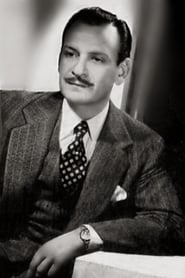
Santiago Gómez Cou
Rantignat
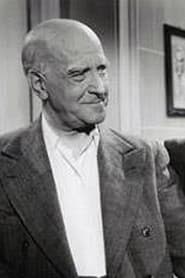
Alberto Contreras
Tagliaferre
Francisco López Silva
Jonatás

María Esther Buschiazzo
Madame Modin

Ricardo Canales
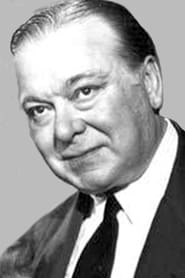
Alberto Terrones
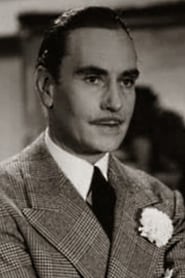
Francisco Pablo Donadío
Salvador Gandeau
Director: Luis Bayón Herrera
Written by: Honoré de Balzac, Leopoldo Torres Ríos, Raimundo Calcagno