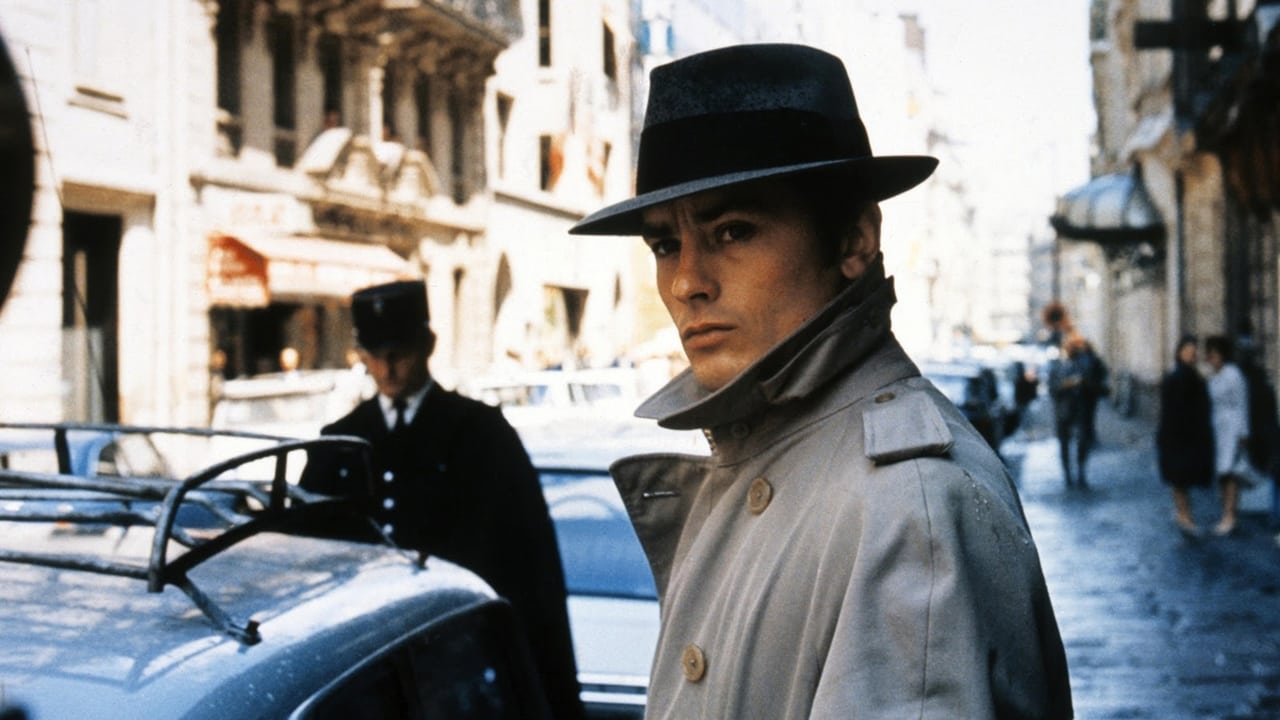

Le Samouraï
"His only friend was his gun!"
Jef Costello moves through a city with the calm focus of a lone artist. After a meticulously planned hit, he finds himself surrounded by two pursuers: a dogged investigator who won't stop digging, and the ruthless employer who wants results on his timetable. Clad in a fedora and a trench coat,... Read more
Stream NowWhere to Watch "Le Samouraï"


Not Currently Available On (6 platforms)


Streaming availability last verified: January 30, 2026
About Le Samouraï
Jef Costello moves through a city with the calm focus of a lone artist. After a meticulously planned hit, he finds himself surrounded by two pursuers: a dogged investigator who won't stop digging, and the ruthless employer who wants results on his timetable. Clad in a fedora and a trench coat, Costello relies on discipline, timing, and a cool reserve to stay one step ahead. The case grows more tangled as witnesses vanish, alibis shift, and every choice seems to echo with consequence. The film follows his careful evasion and strategic calculations as the net tightens, without revealing the twists that lie ahead.
Released in 1967, Le Samouraï was directed by Jean-Pierre Melville with a screenplay by Melville and Georges Pellegrin. The film is considered a touchstone of French crime cinema, notable for its austere visuals, nocturnal cityscapes, precise pacing, and the creator's signature cool, restrained mood. It draws on classic noir and operatic minimalism to create a stark hypnotic atmosphere.
Costello's laconic presence and the movie's stark city nights helped redefine the cool criminal archetype. The film's restrained dialogue, precise framing, and mood influenced later directors around the world, from action thrillers to indie dramas, cementing Melville's reputation as a master of atmosphere and instilling a preference for long takes and quiet menace.
Critics praised the film's elegant composition and Alain Delon's restrained performance, while the sound design and location work heighten a sense of isolation inside modern urban life. Its themes orbit around personal codes of honor, fate, and the cost of choosing a solitary, perilous path. The result is a meditation on autonomy in a world that punishes softness, and a demonstration of crime cinema as artful ritual.
While Le Samouraï did not secure major Oscar nominations, it earned lasting critical respect and has been celebrated in retrospectives and lists of essential crime cinema. Its influence crosses borders, shaping how filmmakers think about mood, pace, and the psychology of an outsider criminal. The film is frequently cited in discussions of neo-noir and remains a touchstone for performances that combine stillness with lethal precision.
What Viewers Are Saying
Audiences lean into Le Samouraï as a cool, austere Parisian noir with Alain Delon playing Jef Costello like a man carved from marble, all restraint and precise moves. They point to Melville's spare dialogue, the tense cat and mouse with detective François Périer, and the moment when the club pianist Cathy Rosier spots Costello as he leaves. The mood of rain slick streets, the spare score by François de Roubaix, and an ending that lands differently than you expect stick with viewers long after the credits.
Details
- Release Date
- October 25, 1967
- Runtime
- 1h 45m
- Rating
- PG
- User Ratings
- 1,209 votes
- Type
- Movie
- Genres
- Crime, Thriller, Drama
- Country
- France
- Studio
- Compagnie Industrielle et Commerciale Cinématographique +3 more
- Box Office
- $215,245
- External Links
- View on IMDB
Official Trailer
Cast
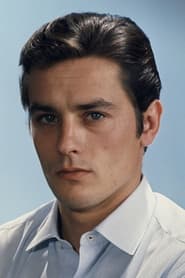
Alain Delon
Jef Costello
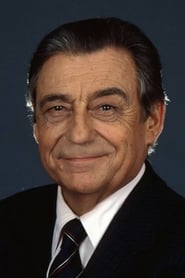
François Périer
Superintendant

Nathalie Delon
Jane Lagrange

Cathy Rosier
Valérie

Michel Boisrond
Wiener

Catherine Jourdan
Locker Room Girl
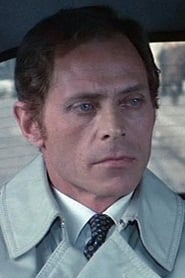
Jean-Pierre Posier
Olivier Rey

Robert Favart
Bartender
Jacques Leroy
Walkway Man
Roger Fradet
Inspector #1
Written by: Jean-Pierre Melville, Georges Pellegrin