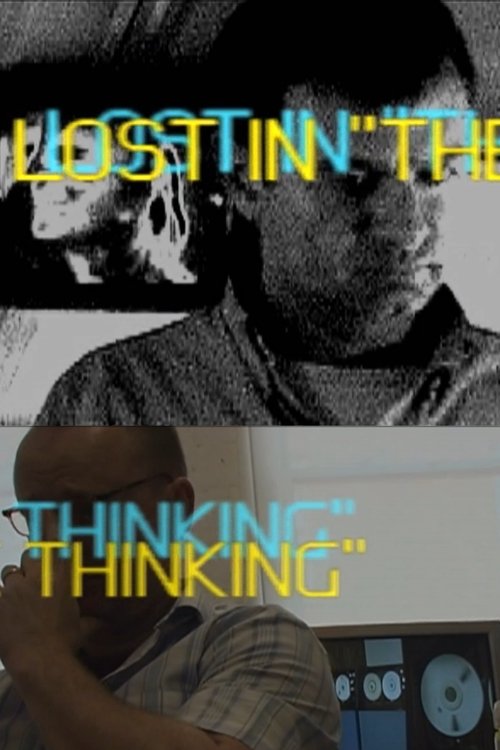
Lost in "The Thinking"
The film follows Adam Sanders as he drifts through a world that feels empty and pointless. A mythic mentor figure, reminiscent of Arthur Frain and Merlin from Boorman's Zardoz, speaks and guides him through a string of surreal scenes. The mood mixes deadpan humor with bleak reflections on... Read more
Where to Watch "Lost in "The Thinking""
Not Currently Streaming
This title isn't available for streaming in the US right now.
Not Currently Available On (8 platforms)


Streaming availability last verified: January 14, 2026
About Lost in "The Thinking"
The film follows Adam Sanders as he drifts through a world that feels empty and pointless. A mythic mentor figure, reminiscent of Arthur Frain and Merlin from Boorman's Zardoz, speaks and guides him through a string of surreal scenes. The mood mixes deadpan humor with bleak reflections on existence. The project leans into low-budget oddity, created by Damon Packard, and uses pop culture shards for texture. Orson Welles archive footage appears as a disembodied presence. The result is funny and unsettling, a cinematic puzzle that defies easy reading but keeps a sly grin on its face. The film uses a deadpan style and intentionally stiff performances to heighten the absurdity.
Directed by Damon Packard and released in 2005, Lost in The Thinking is a tongue in cheek indie that plays with low budget aesthetics and dream logic. It draws on the Arthur Frain Merlin persona from Boorman's Zardoz rather than adapting a traditional source.
Box office data for this indie release is not widely reported. The film had a limited theatrical run and did not register on major box office charts, which is typical for experimental comedies produced outside a wide studio release.
To date there are no major awards or nominations linked to Lost in The Thinking. The film is spoken of mainly in indie cinema circles for its experimental approach rather than industry recognition, so accolades are not a feature here.
Reception to Lost in The Thinking has been limited, with some critics appreciating its dry humor and surreal mood while others find the approach opaque. The film leans into a bleak, almost philosophical take on meaning and emptiness, delivered through wry dialogue and fragmented imagery. Its collage of pop culture references and archive footage, including appearances by Orson Welles as Self, reinforces a playful critique of cinema itself.
Details
- Release Date
- October 29, 2005
- Type
- Movie
- Genres
- Comedy
Cast

Dan Koontz
Adam Sanders
Elise Koontz
Kim Fields
Fletcher Mars Koontz
The Baby

Damon Packard
Self
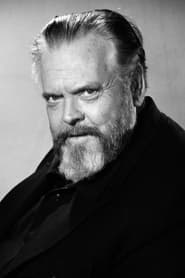
Orson Welles
Self (archive footage)

Marlon Brando
Jor-El (archive footage)
Director: Damon Packard