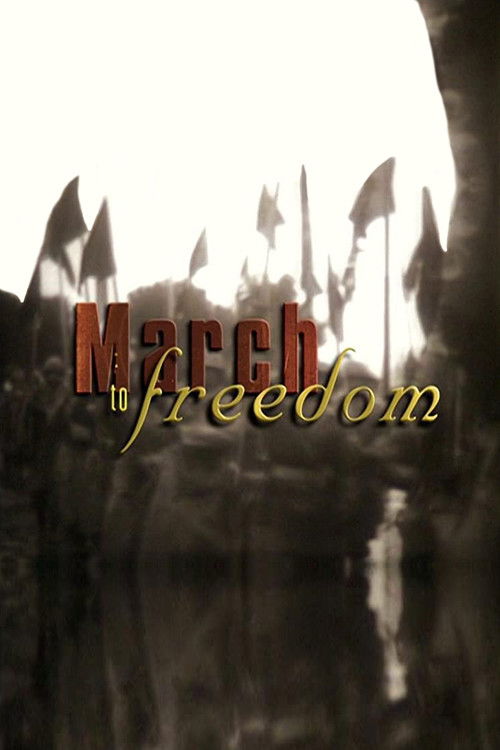
March to Freedom
March to Freedom gathers three World War Two veterans to share how racism shaped their service and life afterward. The film relies on long-form interviews, archival images and a restrained narration to foreground personal memory. Speakers recount segregation in training, unequal assignments,... Read more
Where to Watch "March to Freedom"
Not Currently Streaming
This title isn't available for streaming in the US right now.
Not Currently Available On (8 platforms)


Streaming availability last verified: January 14, 2026
About March to Freedom
March to Freedom gathers three World War Two veterans to share how racism shaped their service and life afterward. The film relies on long-form interviews, archival images and a restrained narration to foreground personal memory. Speakers recount segregation in training, unequal assignments, subtle and overt prejudice among fellow soldiers and officers, and the shock of returning to a country that praised their sacrifice but denied basic rights. The documentary focuses on individual testimony rather than sweeping analysis, letting small moments and personal anecdotes reveal systemic problems. It moves at a quiet pace, designed to record recollection and to preserve voices that were often ignored in traditional histories of the war. They also note how official records often downplayed these incidents.
Released in 1999, March to Freedom features narrator Paul Winfield and interviews with veterans Roger C. Terry, Robert Routh, Charles Fuller and Vernon J. Baker. The film takes a straightforward documentary approach, prioritizing honest testimony over reenactment and theatrical embellishment.
Commercial performance is not widely documented. The film appears to have had a very limited theatrical run and festival presence, relying mainly on community screenings, educational bookings and archive circulation rather than a broad box office release, and home video.
While it never entered mainstream popular culture, March to Freedom fills a gap in recorded testimony about African American soldiers in World War Two. Its firsthand accounts offer material historians, educators and museum curators can use to challenge simplified narratives and highlight tensions between service abroad and inequality at home.
Mainstream critical attention was limited, leaving the film largely under the radar of national outlets. Viewers who seek it out will encounter themes of institutional racism, honor without equal rights, the power of testimony and the long reach of memory. The film foregrounds dignity, sacrifice and the struggle for recognition.
Details
- Release Date
- August 31, 1999
- Runtime
- 15m
- Type
- Movie
- Genres
- Documentary
- Country
- United States
- Studio
- Columbia TriStar Home Entertainment
- External Links
- View on IMDB
Cast

Paul Winfield
Narrator
Roger C. Terry
Robert Routh
Charles Fuller
Vernon J. Baker
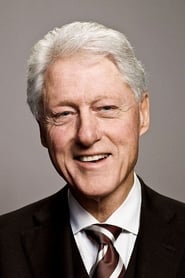
Bill Clinton
(archival footage)