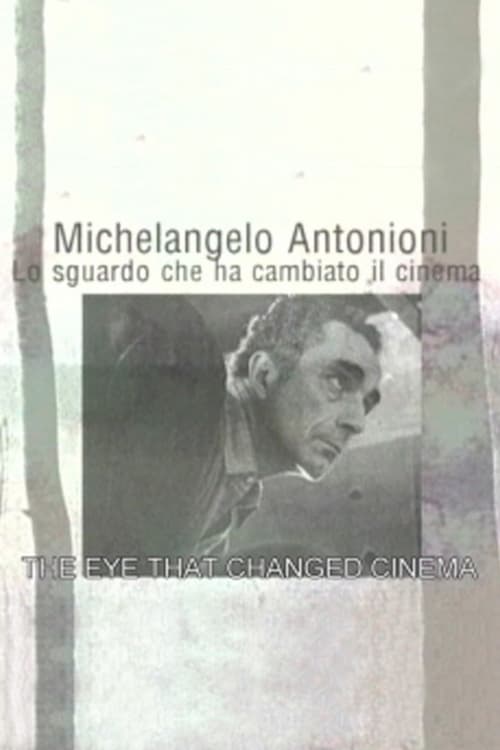
Michelangelo Antonioni: The Eye That Changed Cinema
The doc surveys Michelangelo Antonioni's life and work, presenting a chronological yet thematic portrait of the director who reshaped postwar cinema. It blends archival footage of Antonioni and his collaborators with commentary from family and fellow filmmakers to trace how his films evolved from... Read more
Where to Watch "Michelangelo Antonioni: The Eye That Changed Cinema"
Not Currently Streaming
This title isn't available for streaming in the US right now.
Not Currently Available On (8 platforms)


Streaming availability last verified: January 14, 2026
About Michelangelo Antonioni: The Eye That Changed Cinema
The doc surveys Michelangelo Antonioni's life and work, presenting a chronological yet thematic portrait of the director who reshaped postwar cinema. It blends archival footage of Antonioni and his collaborators with commentary from family and fellow filmmakers to trace how his films evolved from the early neorealist-tinged works to more experimental explorations of alienation, perception, and modern life. The film highlights his signature visual approach, from pooling landscapes to expansive spaces and deliberate pacing that invites reflection. It refrains from spoiling endings or key plot twists, instead offering glimpses into the man behind the camera and the studio that fostered a new language for cinema.
Directed by Sandro Lai, this 2001 Italian documentary assembles archival footage and interviews to map Michelangelo Antonioni's career and influence. The film foregrounds the director and his collaborators as it traces a changing cinematic language. It uses clips from his best known works and candid remarks to situate his ideas within the cultural climate of Italy and Europe. The approach blends commentary from a new generation of filmmakers with insights drawn from interviews with his colleagues.
The film frames Antonioni's work as a turning point in world cinema, highlighting how his patient pacing, open spaces, and emphasis on perception reshaped storytelling. It uses archival footage of Enrica Antonioni, Monica Vitti, Lucia Bosè and Valentina Cortese to anchor the history and give viewers a sense of the era. Archivists' materials and rare footage give a tactile sense of his process.
Critics respond to the documentary's thoughtful use of archive material and interviews, presenting a clear through line that Antonioni's films probe reality, memory, and the pull between characters and their environments. The film foregrounds isolation, modernity, and visual storytelling. Its measured pace mirrors the director's own rhythms. The reflections also address how Antonioni's techniques translated into documentary form, influencing later filmmakers in both narrative and visual style.
Details
- Release Date
- January 01, 2001
- User Ratings
- 1 votes
- Type
- Movie
- Genres
- Documentary
Cast
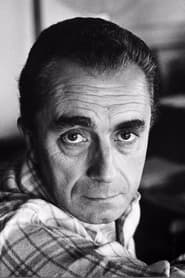
Michelangelo Antonioni
Self (archive footage)
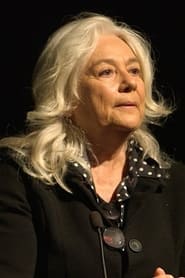
Enrica Antonioni
Self

Lucia Bosè
Self (archive footage)

Valentina Cortese
Self (archive footage)

Monica Vitti
Self (archive footage)
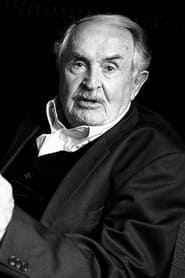
Tonino Guerra
Self (archive footage)
Lello Bersani
Self (archive footage)
Director: Sandro Lai