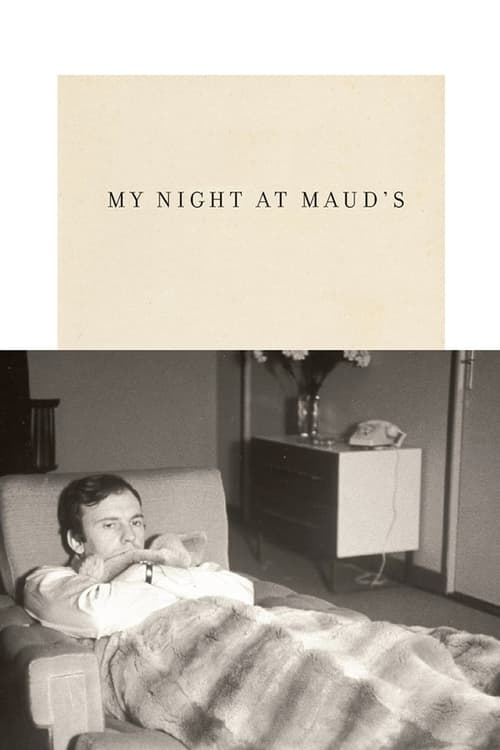
My Night at Maud's
During a cold Christmas in Clermont-Ferrand, a devout Catholic named Jean-Louis reconnects with an old friend, Vidal, who is leftist. Vidal introduces him to Maud, a recently divorced woman with a free spirit. The trio spends the day debating religion, atheism, love and ethics, drawing on Blaise... Read more
Stream NowWhere to Watch "My Night at Maud's"

Not Currently Available On (7 platforms)


Streaming availability last verified: January 24, 2026
About My Night at Maud's
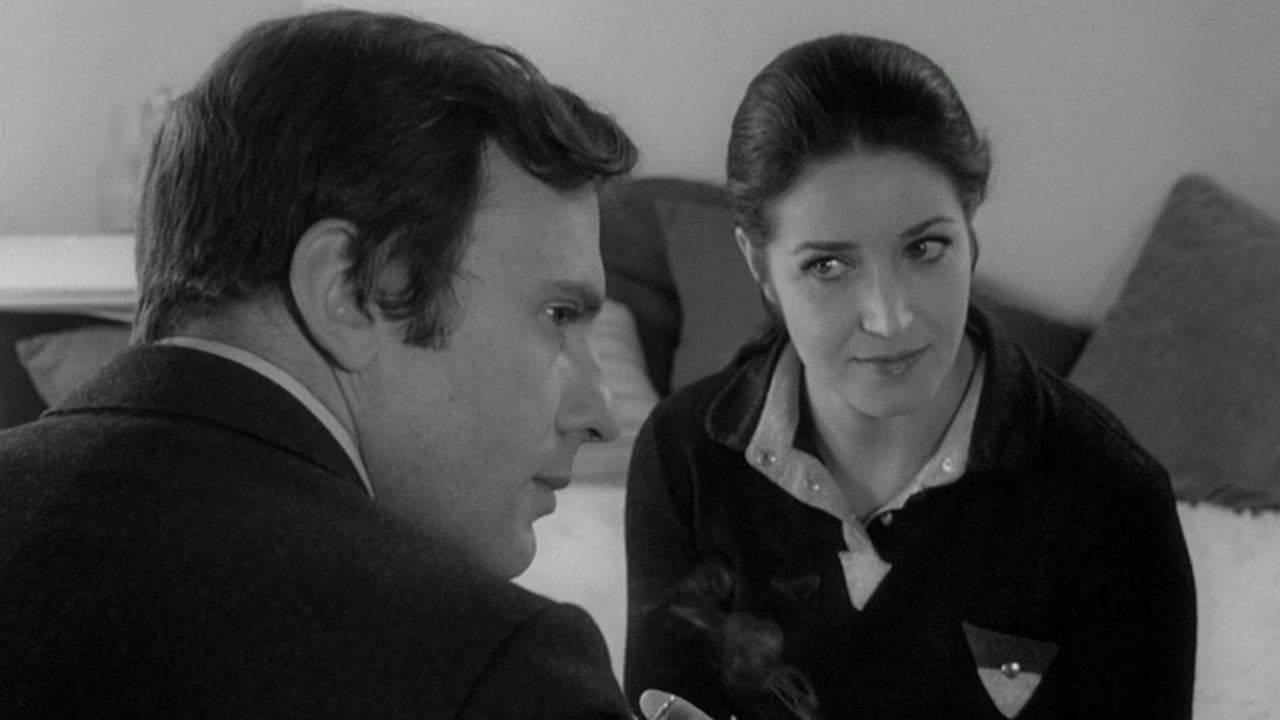
During a cold Christmas in Clermont-Ferrand, a devout Catholic named Jean-Louis reconnects with an old friend, Vidal, who is leftist. Vidal introduces him to Maud, a recently divorced woman with a free spirit. The trio spends the day debating religion, atheism, love and ethics, drawing on Blaise Pascal and his ideas about faith and reason. That evening Jean-Louis accepts Maud's invitation and spends the night there. The discussion stirs up a moral knot for him, since he insists he is in love with someone he has never even spoken to, and his Catholic posture on marriage and fidelity clashes with the new situation. The film treats talk as a way of testing a man’s conscience with a patient pace.
Directed by Éric Rohmer and released in 1969 as part of his Six Moral Tales. The film stars Jean-Louis Trintignant and Françoise Fabian, and is largely an original screenplay set in Clermont-Ferrand around Christmas. Rohmer favors long takes, natural lighting, and patient dialogue as vehicles for character and argument, rather than action or melodrama.
The movie is celebrated for its dialogue heavy scenes, restrained camera work, and focus on characters' moral anxieties rather than melodrama. It helped cement Rohmer's reputation within the Moral Tales and influenced later discussions of philosophy in cinema. Its emphasis on talk over plot influenced later French cinema and discussions of moral philosophy in film classrooms.
Critics praise the balance of wit and seriousness. The film probes fidelity, the clash between religious belief and personal longing, and the ethics of a life shaped by small decisions in ordinary moments. The actors deliver restrained, naturalistic performances that reward attentive listening, and critics often cite the film as a landmark in dialogue driven storytelling.
Box office: As an art house release, the film did not become a blockbuster. It earned thoughtful critical attention and helped cement Rohmer's standing in European cinema. Over time its prestige grew and it remains a touchstone in the study of Rohmer's Moral Tales.
Details
- Release Date
- June 04, 1969
- Runtime
- 1h 50m
- User Ratings
- 346 votes
- Type
- Movie
- Genres
- Romance, Comedy, Drama
- Country
- France
- Studio
- Les Films de la Pléiade +4 more
- External Links
- View on IMDB
Official Trailer
Cast
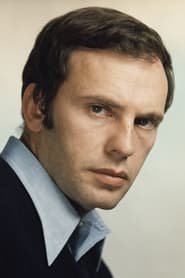
Jean-Louis Trintignant
Jean-Louis

Françoise Fabian
Maud

Marie-Christine Barrault
Françoise
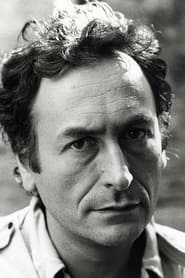
Antoine Vitez
Vidal
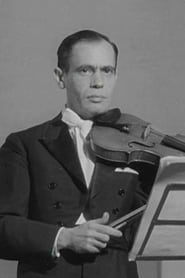
Leonid Kogan
Concert Violinist
Guy Léger
Priest
Anne Dubot
Blonde Friend
Marie Becker
Marie (uncredited)
Marie-Claude Rauzier
Student (uncredited)
Director: Éric Rohmer