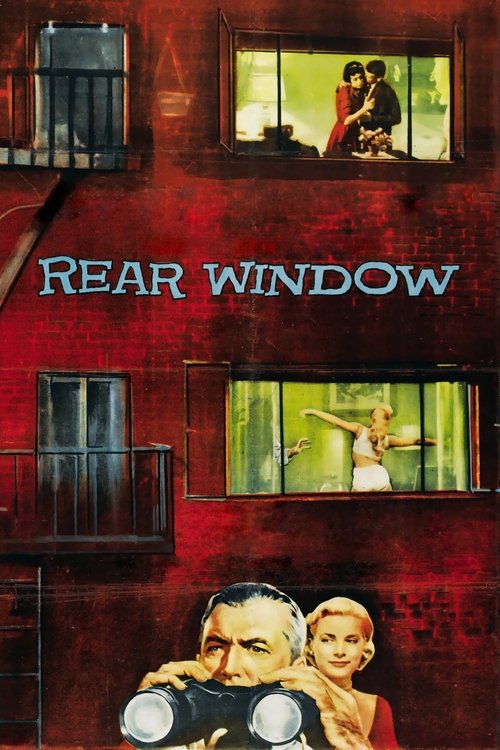
Rear Window
"It only takes one witness to spoil the perfect crime."
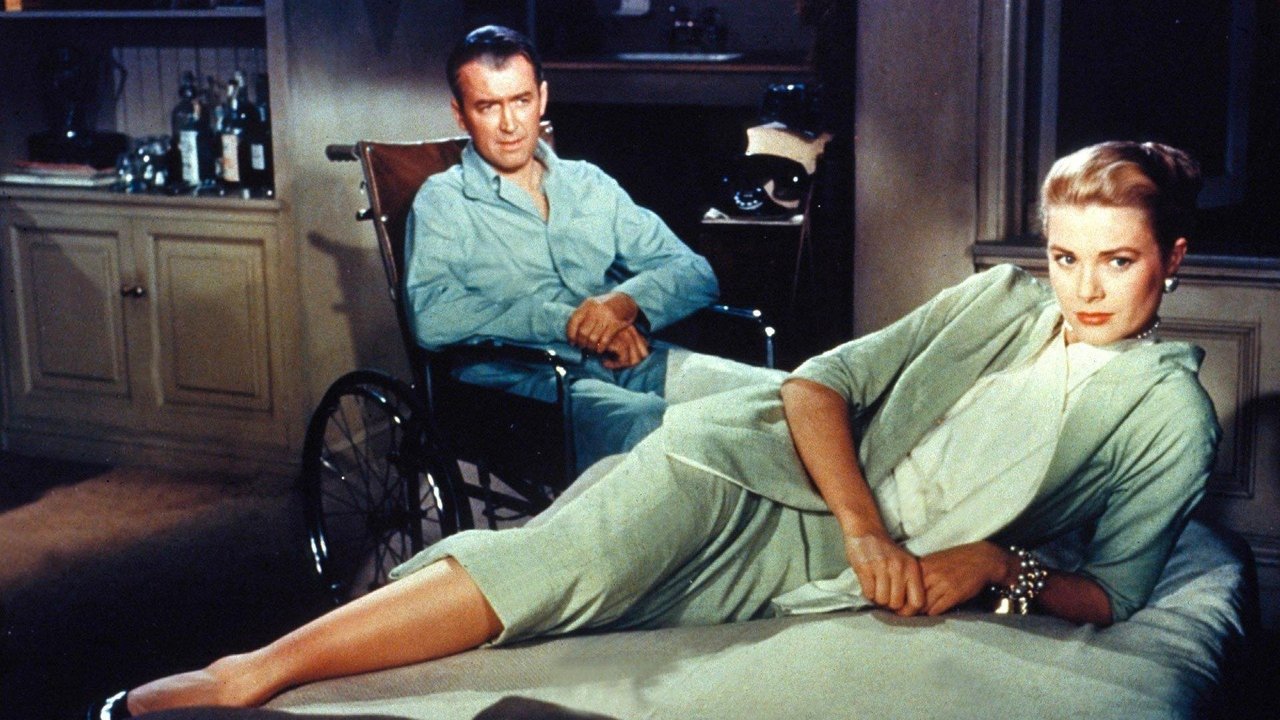
L.B. 'Jeff' Jefferies is a photographer laid up in a wheelchair after a broken leg, and he kills time watching his neighbors through the rear window of his Manhattan apartment. Using binoculars, a long camera lens and a sharp imagination, he stitches together snippets of other people's routines... Read more
Watch NowWhere to Watch "Rear Window"


Not Currently Available On (8 platforms)


Streaming availability last verified: January 23, 2026
About Rear Window
L.B. 'Jeff' Jefferies is a photographer laid up in a wheelchair after a broken leg, and he kills time watching his neighbors through the rear window of his Manhattan apartment. Using binoculars, a long camera lens and a sharp imagination, he stitches together snippets of other people's routines into a plausible crime. As odd gaps and suspicious actions accumulate, Jeff becomes more convinced that one tenant has harmed his spouse. He persuades his stylish girlfriend Lisa and his blunt nurse Stella to help him gather evidence, which raises ethical questions about privacy and increases the personal stakes. The confined setting turns routine observation into escalating tension, with danger approaching from the very courtyard he's been studying.
Directed by Alfred Hitchcock and released in 1954, Rear Window adapts Cornell Woolrich's short story "It Had to Be Murder" with a screenplay by John Michael Hayes. The film features James Stewart and Grace Kelly, supported by Wendell Corey, Thelma Ritter and Raymond Burr.
The picture received several Academy Award nominations, reflecting attention to its screenplay and technical craft. It didn't sweep the Oscars, but the nominations helped solidify its standing among critics and industry figures, and reinforced Hitchcock's profile as a major director of suspense.
Rear Window's single-set staging, strict point-of-view shooting and exploration of voyeurism left a clear mark on cinema and popular culture. Grace Kelly's wardrobe and the film's apartment-bound staging became reference points for filmmakers and designers. The movie is often cited in film courses on editing, sound design and the ethics of spectatorship.
Critics and audiences have long praised the film's tight structure and mounting unease, reflected in a high vote average of 8.3/10. Major themes include privacy versus curiosity, the limits of visual knowledge, gender roles and the moral cost of looking. Hitchcock squeezes suspense from a confined viewpoint, using performance and craft to make everyday details feel threatening and significant.
What Viewers Are Saying
Viewers appreciate the strong performances of James Stewart and Grace Kelly, highlighting their chemistry and the compelling character dynamics. Audiences praise the film’s suspenseful storytelling and its clever use of a single, confined location, which adds to the tension. While many enjoy the intriguing plot involving voyeurism and mystery, some find the pace slower compared to modern thrillers. Overall, the movie is regarded as a classic Hitchcock suspense with memorable twists and effective atmosphere.
Details
- Release Date
- August 01, 1954
- Runtime
- 1h 52m
- Rating
- PG
- User Ratings
- 6,967 votes
- Type
- Movie
- Genres
- Thriller, Mystery
- Country
- United States
- Studio
- Alfred J. Hitchcock Productions
- Budget
- $1,000,000
- Box Office
- $37,042,336
- External Links
- View on IMDB
Official Trailer
Cast
James Stewart
L.B. Jefferies
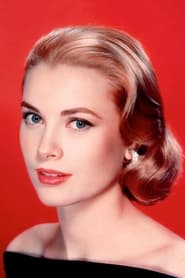
Grace Kelly
Lisa Fremont

Wendell Corey
Thomas Doyle
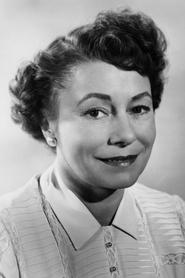
Thelma Ritter
Stella
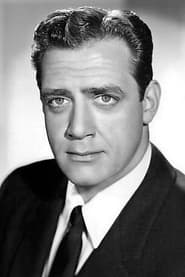
Raymond Burr
Lars Thorwald

Judith Evelyn
Miss Lonelyhearts

Ross Bagdasarian
Songwriter

Georgine Darcy
Miss Torso
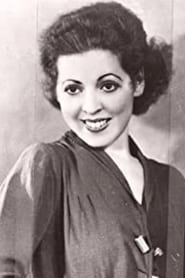
Sara Berner
Woman on Fire Escape
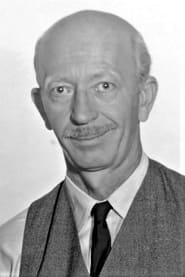
Frank Cady
Man on Fire Escape
Director: Alfred Hitchcock
Written by: John Michael Hayes, Cornell Woolrich