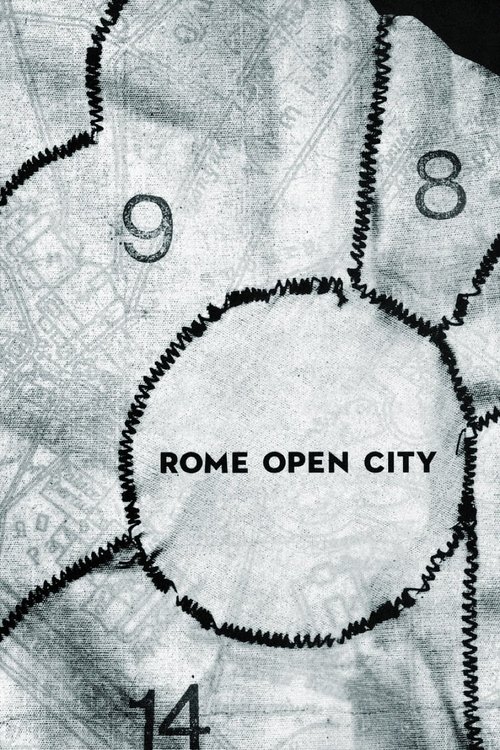
Rome, Open City
"Our battle has barely begun."
Rome, Open City follows life in a city under occupation where fear and resilience collide. When Giorgio Manfredi, a leader of the underground, hides from the occupying forces, the streets become a web of risky shelter, whispered plans, and small acts of defiance. Friends, a priest and everyday... Read more
Stream NowWhere to Watch "Rome, Open City"


Not Currently Available On (7 platforms)


Streaming availability last verified: January 18, 2026
About Rome, Open City
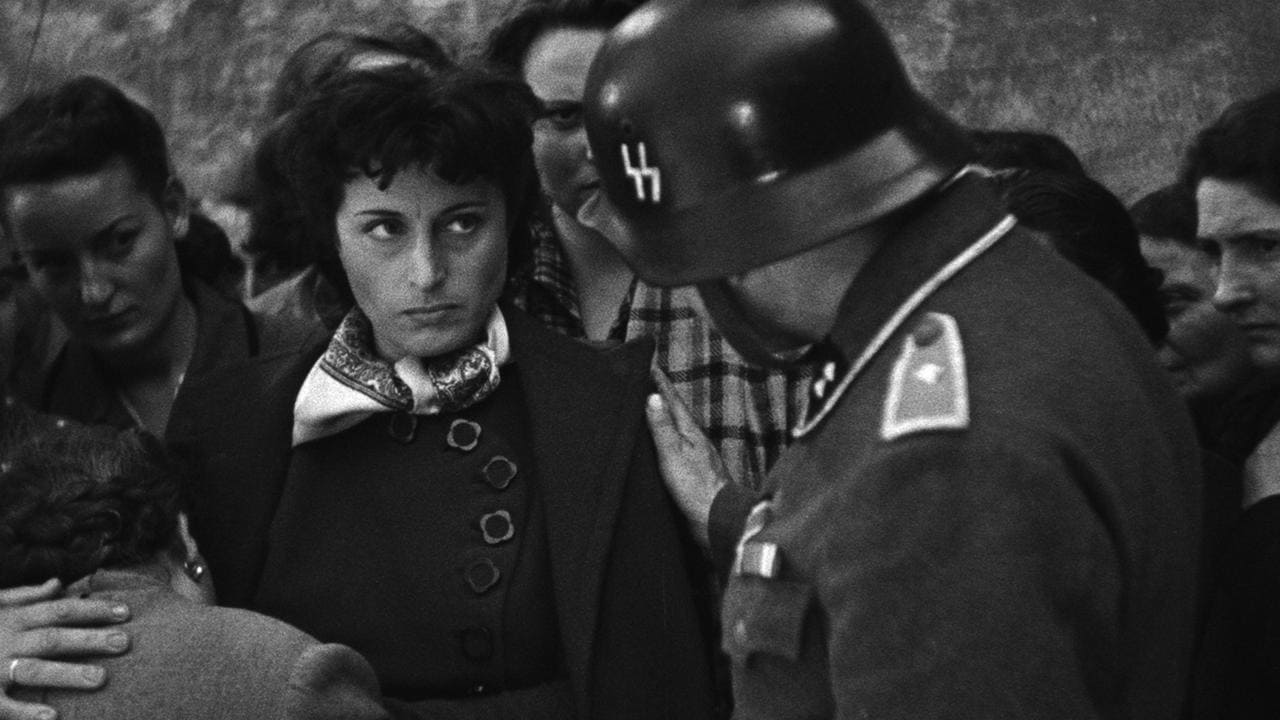
Rome, Open City follows life in a city under occupation where fear and resilience collide. When Giorgio Manfredi, a leader of the underground, hides from the occupying forces, the streets become a web of risky shelter, whispered plans, and small acts of defiance. Friends, a priest and everyday figures improvise tactics to keep him safe while the war presses in from the shadows. The story unfolds in real time through street corners, stairwells, and cramped apartments, showing how ordinary people confront danger, duty, and the fragile hope of resistance without fanfare or bravado. The result is a portrait of human choice under siege. The film's soundscape uses street noise and sirens to heighten immediacy and voices from corners emphasize courage.
Released in 1945, Rome Open City was directed by Roberto Rossellini with screenplay by Sergio Amidei and Federico Fellini, assisted by others. Filmed on location in Rome, it embraced neorealism's raw style and set a template for postwar drama.
With a budget of about 20,000, it grossed around 1,000,000 worldwide, a remarkable return that demonstrated how lean, on location storytelling could travel well beyond Italy. It premiered in Italy and later screened at international festivals.
Its on location shooting and use of nonprofessional actors defined a new realism, sowing the seeds of Italian neorealism that would influence filmmakers worldwide. Its candid depiction of ordinary people under occupation helped reshape how cinema portrays war, ethics, and resilience. The image of a city in flux became a symbol of endurance during and after the war. The film's influence reached film schools and critics, shaping how cinema studies taught history, memory and social responsibility.
Reception and themes: Critics praised its unflinching humanity and political urgency. The film foregrounds duty, solidarity, and sacrifice without sensationalism, while exploring faith under pressure and the cost of resistance. Its portrayal of ordinary people facing danger left a lasting imprint on cinema and audiences.
Details
- Release Date
- October 08, 1945
- Runtime
- 1h 43m
- User Ratings
- 954 votes
- Type
- Movie
- Genres
- Drama, War
- Country
- Italy
- Studio
- Excelsa Film
- Budget
- $20,000
- Box Office
- $1,000,000
- External Links
- View on IMDB
Official Trailer
Cast
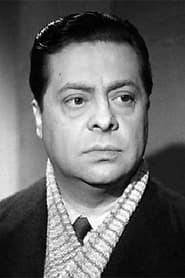
Aldo Fabrizi
Don Pietro Pellegrini
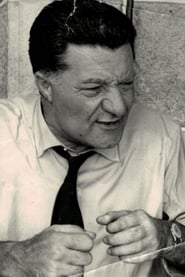
Marcello Pagliero
Giorgio Manfredi aka Luigi Ferraris

Harry Feist
Major Fritz Bergmann

Anna Magnani
Pina

Maria Michi
Marina Mari
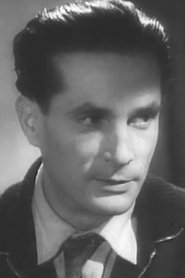
Francesco Grandjacquet
Francesco
Vito Annichiarico
Marcello
Ákos Tolnay
Austrian Deserter
Joop van Hulzen
Captain Hartmann
Carla Rovere
Lauretta
Director: Roberto Rossellini
Written by: Sergio Amidei, Federico Fellini