Satantango
A small Hungarian village is left unraveling after the factory that once sustained it shuts down, leaving people unsure how they'll survive. A doctor, a handful of couples and other locals linger in the ruins of daily routine while a promised cash payment hovers like a rumor. Irimiás, a man... Read more
Where to Watch "Satantango"
Not Currently Streaming
This title isn't available for streaming in the US right now.
Not Currently Available On (8 platforms)


Streaming availability last verified: January 20, 2026
About Satantango
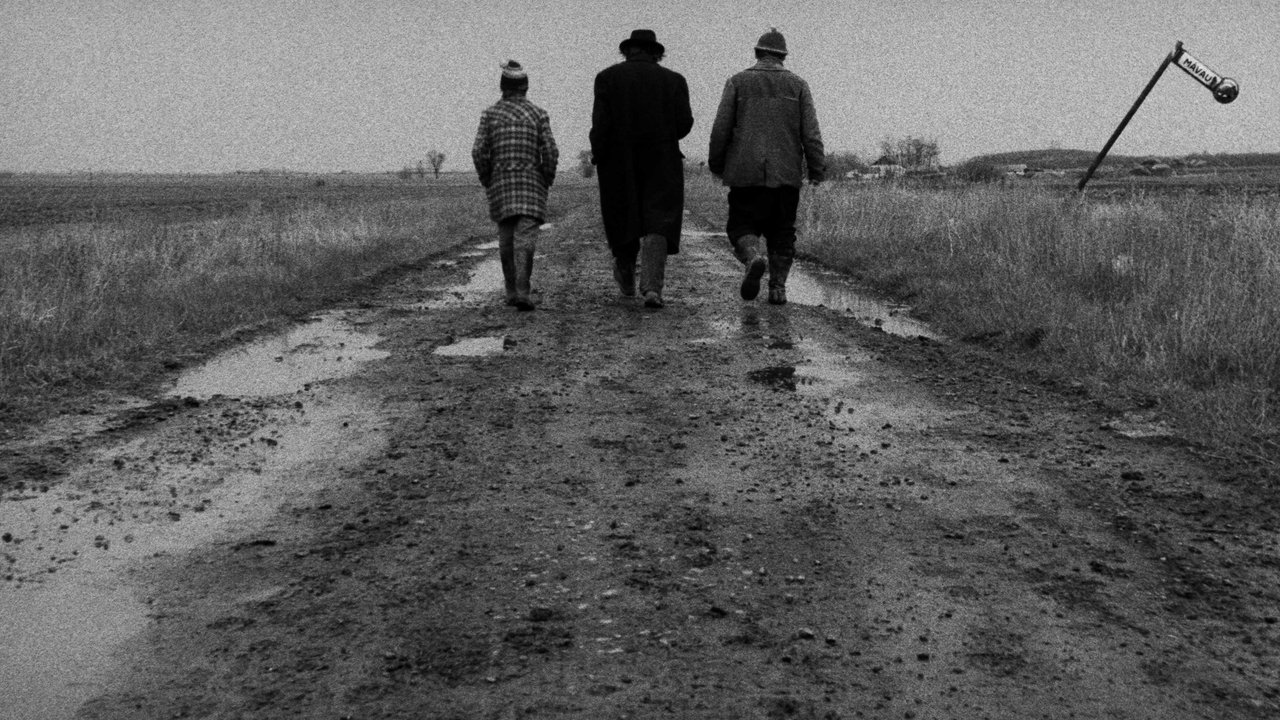
A small Hungarian village is left unraveling after the factory that once sustained it shuts down, leaving people unsure how they'll survive. A doctor, a handful of couples and other locals linger in the ruins of daily routine while a promised cash payment hovers like a rumor. Irimiás, a man everyone believed dead, reappears and persuades the community to form a collective commune. He carries a quiet authority, and later it's revealed he's been informing to the police, though the villagers are slow to grasp his full role. The film watches everyday actions and idle conversations, showing how trust, desire and manipulation reshape a place already fraying at the edges.
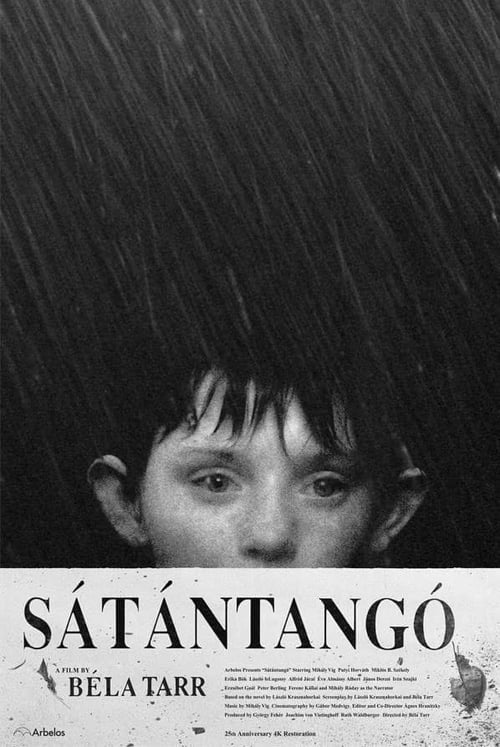
Released in 1994, the film was directed by Béla Tarr and adapted from a novel by László Krasznahorkai, with Mihály Víg contributing music and playing the lead, alongside Putyi Horváth, Székely B. Miklós, Erika Bók and László feLugossy.
Its theatrical exposure was limited, and it didn't register as a mainstream box office hit. Commercial returns were modest, but the movie found an audience through art-house screenings, retrospectives and film school programs rather than through wide release.
Satantango left a strong mark on art-house cinema, in part because of its patient pacing, long takes and austere black and white visuals. Filmmakers and critics often reference its mood and structure when discussing minimalist narrative techniques, and it frequently appears in cinephile lists and academic syllabi. Its scenes and rhythms are easy to recognize for anyone steeped in modern arthouse.
Critical reception has been largely favorable, reflected in strong user ratings such as an 8.1/10 from voters. Reviewers tend to highlight its bleak portrait of post-collective life, themes of social collapse, the mechanisms of control and the slow erosion of dignity. The film rewards viewers willing to sit with its deliberate tempo and quiet moral tension.
Details
- Release Date
- February 08, 1994
- User Ratings
- 289 votes
- Type
- Movie
- Genres
- Drama
Official Trailer
Cast

Mihály Víg
Irimiás

Putyi Horváth
Petrina

Székely B. Miklós
Futaki
Erika Bók
Estike
László feLugossy
Schmidt
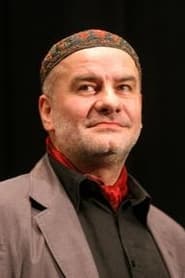
Alfréd Járai
Halics

János Derzsi
Kráner
Irén Szajki
Kránerné

Éva Almássy Albert
Schmidtné
Erzsébet Gaál
Halicsné
Written by: Béla Tarr, László Krasznahorkai, Mihály Víg