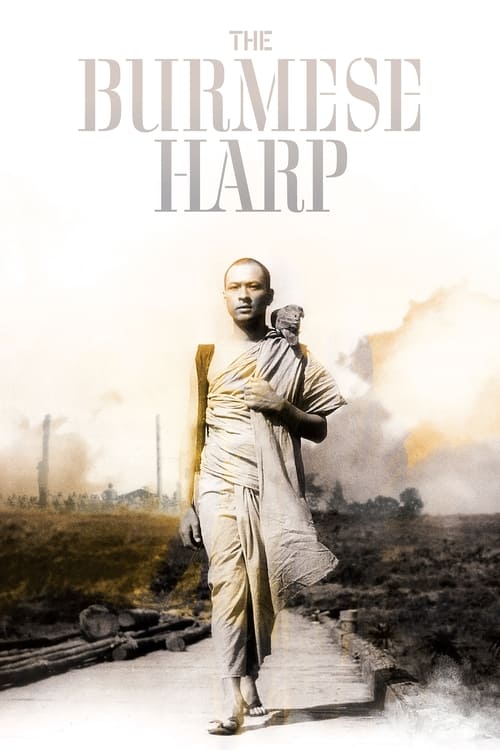
The Burmese Harp
Set in the closing days of the Burma campaign, the film follows a Japanese officer who finds himself cut off from his unit behind enemy lines. Rather than surrender, he slips into a monk's robes and adopts a hooded exterior as a way to evade capture and maintain his own survival. What begins as a... Read more
Watch NowWhere to Watch "The Burmese Harp"


Not Currently Available On (8 platforms)


Streaming availability last verified: January 24, 2026
About The Burmese Harp
Set in the closing days of the Burma campaign, the film follows a Japanese officer who finds himself cut off from his unit behind enemy lines. Rather than surrender, he slips into a monk's robes and adopts a hooded exterior as a way to evade capture and maintain his own survival. What begins as a tactical ruse gradually becomes a meditation on war's costs as he encounters civilians and fellow soldiers who challenge his beliefs and force him to weigh loyalty against humanity. The story moves through sunlit villages and scorched forests, focusing on memory, duty, and the stubborn resilience of the human spirit. The camera lingers on simple rituals and acts of kindness that reveal the humanity behind each face.
Directed by Kon Ichikawa, The Burmese Harp adapts Michio Takeyama's novella with a script by Natto Wada. Released in 1956 by Toho, the film helped define a humane strand of postwar Japanese cinema and established Ichikawa as a major international voice worldwide.
Box office figures for The Burmese Harp are not widely published, which is common for classic Toho dramas of the era. The film's lasting influence comes from critical praise and its enduring reputation rather than box office dominance worldwide.
Over the years The Burmese Harp has been celebrated as a milestone in postwar cinema for its measured portrayal of soldiers, civilians, and moral ambiguity. Its imagery of the Buddhist disguise and the music of the Burmese harp echoed beyond Japan in festival circuits and film studies, influencing later war dramas globally.
Critics praised its restrained storytelling, stark visuals, and Rentaro Mikuni's quiet yet powerful portrayal of Inouye. The film centers on duty, humanity, and the cost of war, offering a meditation on memory and loss without melodrama. It's often cited for shaping a more humane war narrative. Its lasting appeal rests in quiet moments of humanity that outlast battles and memory.
Details
- Release Date
- January 21, 1956
- Runtime
- 1h 57m
- User Ratings
- 165 votes
- Type
- Movie
- Genres
- Drama, War
- Country
- Japan
- Studio
- Nikkatsu Corporation
- External Links
- View on IMDB
Official Trailer
Cast
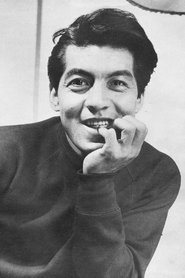
Rentaro Mikuni
Captain Inouye
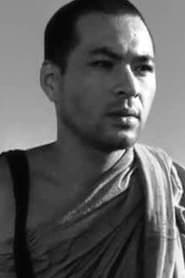
Shōji Yasui
Mizushima

Jun Hamamura
Ito

Taketoshi Naitō
Kobayashi
Shunji Kasuga
Maki
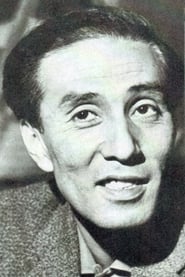
Kō Nishimura
Baba
Keishichi Nakahara
Takagi
Toshiaki Itō
Hashimoto
Hiroshi Tsuchikata
Okada
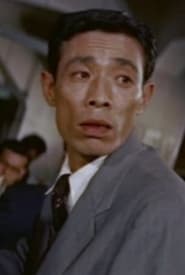
Tomio Aoki
Oyama
Director: Kon Ichikawa
Written by: Michio Takeyama, Natto Wada