The Case of The Smiling Widow
When an artist named Peter Adams is found dead, Scotland Yard opens a careful inquiry that peels back layers of his life and work. Presented like a case file, the film follows Inspector Duggan and his sergeant as they gather testimony, examine paintings and trace leads among friends and... Read more
Where to Watch "The Case of The Smiling Widow"
Not Currently Streaming
This title isn't available for streaming in the US right now.
Not Currently Available On (8 platforms)


Streaming availability last verified: January 14, 2026
About The Case of The Smiling Widow
When an artist named Peter Adams is found dead, Scotland Yard opens a careful inquiry that peels back layers of his life and work. Presented like a case file, the film follows Inspector Duggan and his sergeant as they gather testimony, examine paintings and trace leads among friends and acquaintances. Suspicions about forgery and professional reputation complicate the obvious facts, and witnesses like Nicholls and Janet Nicholls give conflicting accounts that keep motives unclear. The story moves steadily through interviews and evidence, showing police procedure and the art world intersecting, while the narrator frames events to make the audience weigh authenticity, trust and the price of creative success.
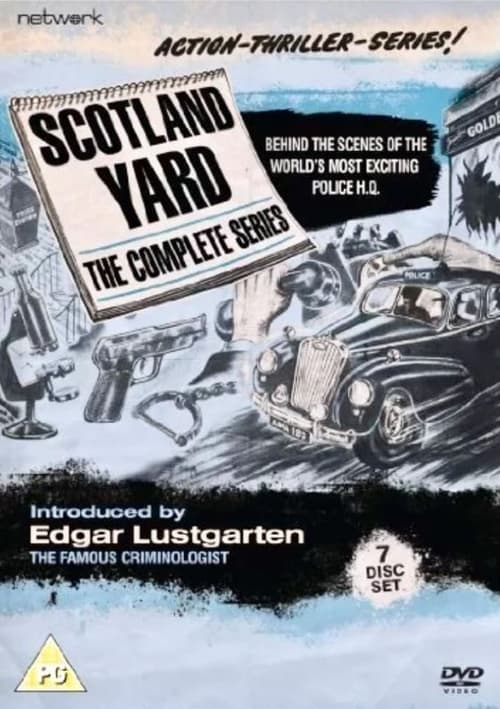
Released in 1957, the picture was directed by Montgomery Tully from a concept by Gil Saunders, and it uses Edgar Lustgarten as an on-screen presenter to give the proceedings a quasi-documentary feel, typical of modest British crime features of the era.
The film didn't gain major awards or high-profile nominations, and it remains a relatively obscure entry in the period's output. Contemporary prize records don't list it among winners, so its recognition stayed limited to its initial run and later genre retrospectives.
Its use of an authoritative presenter and a procedural structure helped cement a small but distinct niche in postwar British crime cinema, where case-driven narratives and realistic investigation scenes appealed to audiences. While not widely remembered, it reflects the era's taste for orderly police work and moral scrutiny, and Lustgarten's presence lends the film a tone that influenced similar productions aiming for documentary credibility.
Critics and viewers who come to the film today are likely to notice its focus on methodical detection, the tension between artistic reputation and criminal suspicion, and an interest in how evidence is interpreted. The movie leans on dialogue and detail over spectacle, asking questions about authenticity, social standing and how small deceptions can escalate into fatal consequences.
Details
- Release Date
- January 01, 1957
- Runtime
- 31m
- Type
- Movie
- Genres
- Crime
- Country
- United Kingdom
- Studio
- Merton Park Studios Ltd.
- External Links
- View on IMDB
Cast
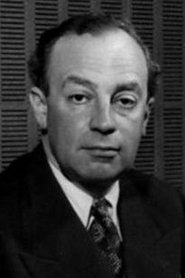
Edgar Lustgarten
Presenter
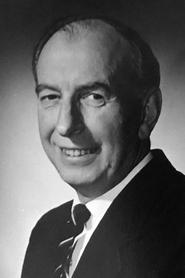
Russell Napier
Inspector Duggan
Vernon Greeves
Sergeant
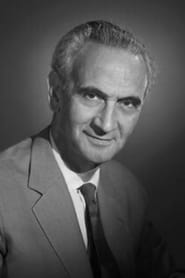
Carl Jaffe
Nicholls

Sylvia Marriott
Janet Nicholls

Roger Delgado
Commissario
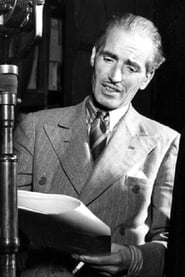
Dino Galvani
Director of Cellini Gallery in Rome
Alec Finter
Doctor Harding
Joan Cross
Maid (Nancy Morgan)
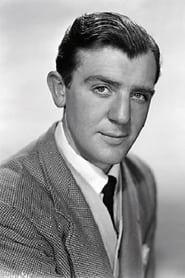
Glyn Houston
Bates
Director: Montgomery Tully
Written by: Gil Saunders