The Dancer and the King, a Romantic Story of Spain
Set in Spain, this short silent drama follows a dancer whose performances catch the eye of a powerful king. She refuses his sexual advances, preferring to keep control over her life and work. The ruler reacts with growing anger, and the plot tracks how his wounded pride shifts toward punitive... Read more
Where to Watch "The Dancer and the King, a Romantic Story of Spain"
Not Currently Streaming
This title isn't available for streaming in the US right now.
Not Currently Available On (8 platforms)


Streaming availability last verified: January 19, 2026
About The Dancer and the King, a Romantic Story of Spain
Set in Spain, this short silent drama follows a dancer whose performances catch the eye of a powerful king. She refuses his sexual advances, preferring to keep control over her life and work. The ruler reacts with growing anger, and the plot tracks how his wounded pride shifts toward punitive measures that threaten the dancer and those around her. The film keeps the conflict direct and visible, using expressive gestures, courtly spectacle, and close staging to show shifting power and social pressure. It stays focused on the escalating tension between desire and authority, without revealing how the situation resolves.
Released in 1908, The Dancer and the King was directed by J. Stuart Blackton and starred Florence Lawrence and Maurice Costello. The picture belongs to the early American silent era, produced when short melodramas were a mainstay of nickelodeons and traveling exhibitions.
The film predates organized film awards like the Academy Awards, which began decades later, so it earned no major contemporary honors. Formal recognition for short films wasn't common in 1908, and there are no reliable records of festival prizes or official accolades tied to this title.
Though it isn't widely seen today, the movie is part of the era that helped shape the emerging star system. Featuring Florence Lawrence, who is often cited among the first recognizable screen performers, it reflects how studios and exhibitors used actor appeal and heightened emotion to sell programs. Its focus on a performer's visibility in courtly settings fits early cinema's taste for spectacle and morality plays.
Contemporary critical reaction is poorly documented and many films from 1908 survive only in records or not at all, so modern readings rely on fragmentary evidence. Scholars and viewers tend to notice themes of consent, authority, and revenge, and they point out how silent-era acting and staging communicate complex social hierarchies without words. The film offers a clear example of how gender and class tensions were framed in early popular cinema.
Details
- Release Date
- December 19, 1908
- Type
- Movie
Cast
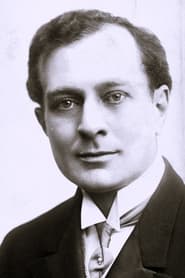
Maurice Costello
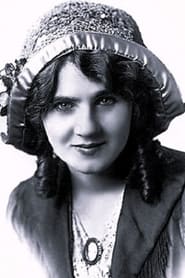
Florence Lawrence
Director: J. Stuart Blackton