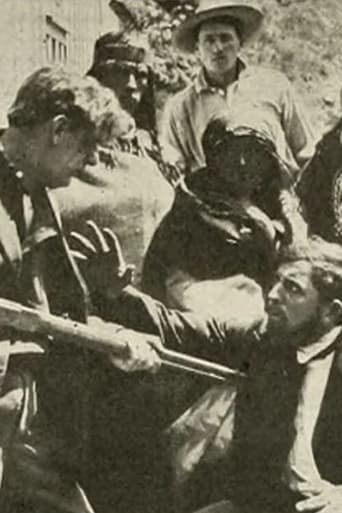
The Deputy's Love
Bob Dean is the deputy sheriff of Tonopah County who falls for Nance O'Brien, a charming young woman from the frontier. He thinks her brother works a nearby claim, and that belief influences how he balances his badge with his feelings. The short story follows Bob as he keeps order in a mining... Read more
Where to Watch "The Deputy's Love"
Not Currently Streaming
This title isn't available for streaming in the US right now.
Not Currently Available On (8 platforms)


Streaming availability last verified: January 14, 2026
About The Deputy's Love
Bob Dean is the deputy sheriff of Tonopah County who falls for Nance O'Brien, a charming young woman from the frontier. He thinks her brother works a nearby claim, and that belief influences how he balances his badge with his feelings. The short story follows Bob as he keeps order in a mining community while courting Nance, with everyday tensions, misunderstandings about work and kin, and the rhythms of frontier life shaping small but telling scenes. The film stays focused on character interactions and simple moral choices, showing rustic settings, horseback travel and quiet confrontations rather than big set pieces. Scenes are brief, framed to suit short film formats, period.
Directed by Gilbert M. Anderson, the film was released in 1910 during the silent era. Anderson also stars as Bob Dean, with Clara Williams as Nance O'Brien. It's a short Western picture representative of early American genre filmmaking practice overall.
Box office records for many 1910 shorts are either lost or never kept in detail, so there are no reliable gross figures for this title. It circulated on the vaudeville and nickelodeon circuit typical of the time, reaching regional audiences.
As an early Western featuring Gilbert M. Anderson, the picture helped reinforce stock characters and setting that later became standard, the lawman and the mining town. While not famous today, it contributes to the historical record of silent Westerns and to Anderson's role in shaping on-screen cowboy persona and popular imagination.
Contemporary reviews are scarce, so modern appraisal treats the movie as an archival piece rather than a celebrated classic. Major themes include duty versus personal feeling, assumptions about labor and kinship, and small-community justice. It offers insight into how simple romance and local authority were portrayed in primitive cinematic form.
Details
- Release Date
- August 27, 1910
- Rating
- NR
- Type
- Movie
- Genres
- Western
- Country
- United States
- Studio
- The Essanay Film Manufacturing Company
- External Links
- View on IMDB
Cast
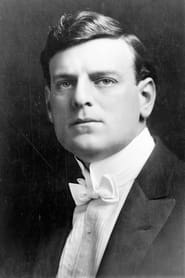
Gilbert M. Anderson
Bob Dean

Clara Williams
Nance O'Brien
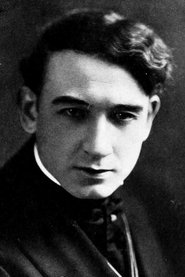
Franklyn Hall
Walt

Chick Morrison
Stage Driver
Elmer Thompson
Guard

Fred Church
Passenger
Director: Gilbert M. Anderson