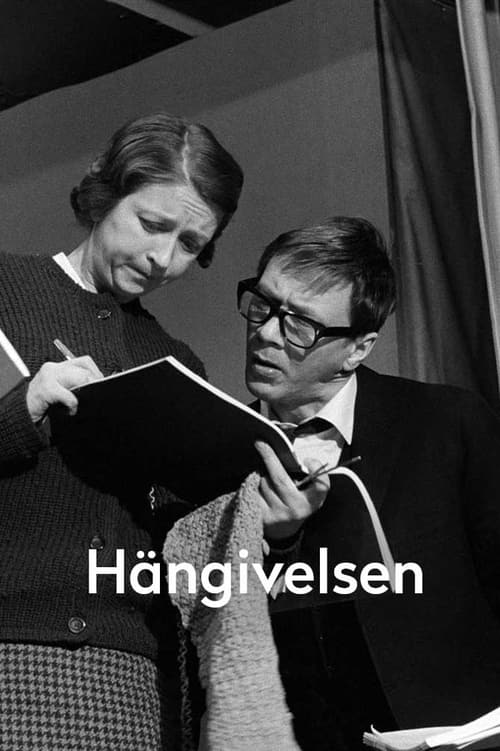
The Devotion
The Devotion centers on a single, charged moment in a theater rehearsal that spirals into a clash of ego between a driven director and a wary actor. On a spare stage, every line reads like a test and every pause carries risk. The director pushes for exactness, shaping the scene with tight... Read more
Where to Watch "The Devotion"
Not Currently Streaming
This title isn't available for streaming in the US right now.
Not Currently Available On (8 platforms)


Streaming availability last verified: January 14, 2026
About The Devotion
The Devotion centers on a single, charged moment in a theater rehearsal that spirals into a clash of ego between a driven director and a wary actor. On a spare stage, every line reads like a test and every pause carries risk. The director pushes for exactness, shaping the scene with tight control, while the actor counters with a stubborn insistence on personal impulse. As the session unfolds, unspoken history threads through the dialogue, turning routine blocking into a confrontation about trust, artistic ambition, and the cost of performance. The tension stays close and intimate, prioritizing emotion and chemistry over spectacle. What begins as a rehearsal becomes a psychological study of power, devotion, and how far art demands surrender.
Released in 1965, The Devotion is directed by Ingrid Thulin, a respected Swedish filmmaker known for character-driven dramas. The cast includes Allan Edwall as the Director, Maud Hansson as the Actress, and Meta Velander as Sufflösen, delivering a lean, dialogue-heavy chamber piece.
Box office data for The Devotion is not readily available in public records. Given its era and niche appeal, the film likely had a modest release in Sweden and a handful of international showings, with distribution far smaller than mainstream Swedish features.
There are no well documented major nominations or wins for The Devotion. Its reputation rests on the interplay between performers and the director rather than on accolades. The film is mainly discussed by enthusiasts of 1960s European cinema who value understated, stage-like storytelling.
Reception remains limited in archival sources, yet the picture is read as a concise meditation on authority and collaboration within the creative process. It probes how devotion to craft can blur into domination, and how performers negotiate boundaries when a director asserts control. The result is a lean portrait of power in a creative setting. Its restraint invites viewers to study dialogue as action.
Details
- Release Date
- September 13, 1965
- Runtime
- 10m
- Type
- Movie
- Genres
- Drama
- Country
- Sweden
- Studio
- Sandrews
- External Links
- View on IMDB
Cast

Allan Edwall
Director

Maud Hansson
Actress

Meta Velander
Sufflösen

Ingrid Thulin
Director: Ingrid Thulin