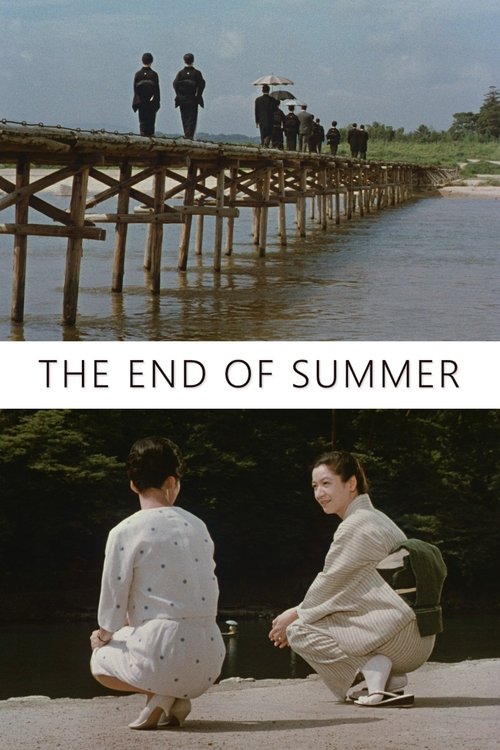
The End of Summer
An aging man who runs a small sake brewery becomes the center of a wary family until a private truth surfaces. When his children discover that he has been seeing a former love from his youth, concern about his dwindling savings and fragile health spirals into a quiet reckoning. The discovery... Read more
Where to Watch "The End of Summer"
Not Currently Streaming
This title isn't available for streaming in the US right now.
Not Currently Available On (8 platforms)


Streaming availability last verified: January 30, 2026
About The End of Summer
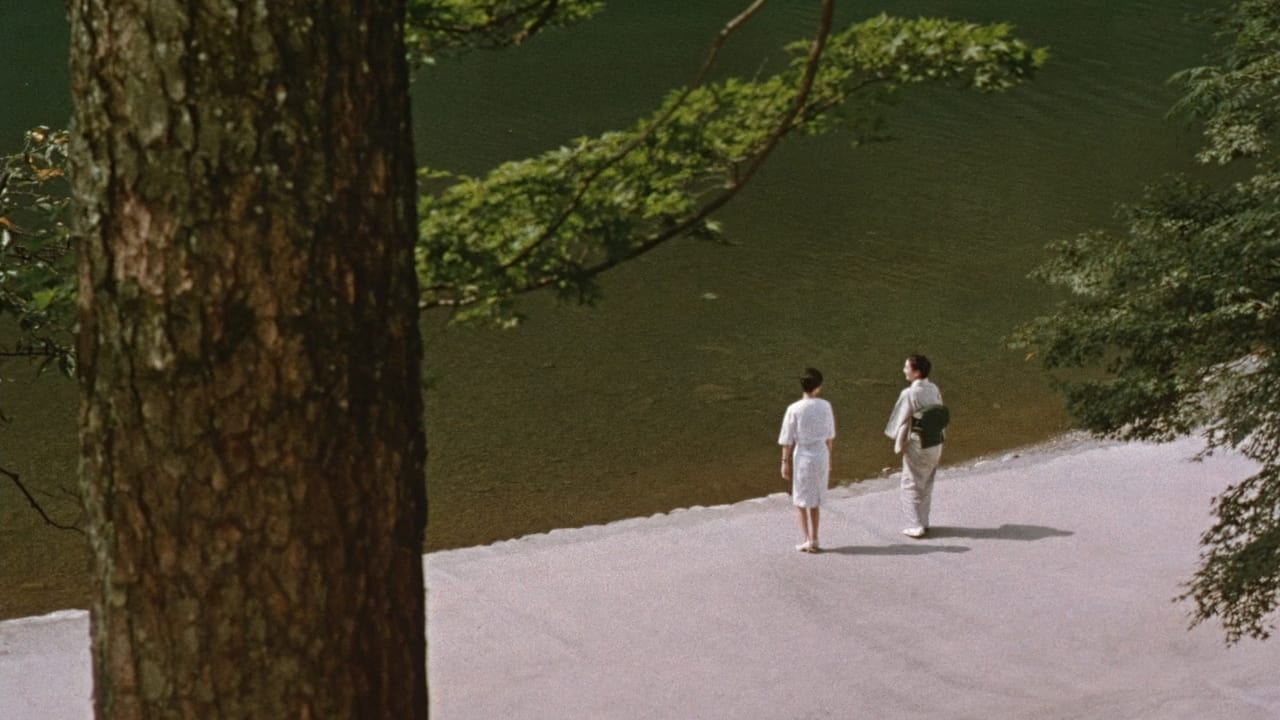
An aging man who runs a small sake brewery becomes the center of a wary family until a private truth surfaces. When his children discover that he has been seeing a former love from his youth, concern about his dwindling savings and fragile health spirals into a quiet reckoning. The discovery forces Akiko and her sister Noriko to confront their father's long standing habits, his independence, and the cost of care. Through measured conversations and restrained misunderstandings, the film tracks a single summer as a clock ticks toward deeper questions about duty, loyalty, and the limits of family support. The camera lingers on daily rituals and small negotiations over money and time, quietly expanding the scope of what family means.
Released in 1961, The End of Summer was directed by Yasujirō Ozu with a screenplay by Kōgo Noda. The film revisits Ozu's intimate, observational style grounded in postwar Japanese family life. Shot with restrained compositions and a focus on everyday speech, it showcases Setsuko Hara and a tight ensemble.
This late Ozu drama deepens the director's meditation on aging, memory and quiet sacrifice, using still framing and subtle performances by Setsuko Hara to illuminate ordinary lives. The film's patience with silence and its precise editing have influenced generations of filmmakers. It has influenced later Japanese family dramas and remains a touchstone for the director's contemplative approach.
Critics praised the film for its restrained pace, and for its delicate look at filial duty, autonomy, and aging. The ensemble, led by Hara, conveys vast emotion with minimal dialogue, inviting viewers to read what remains unspoken between generations.
The film did not receive major international nominations; it is primarily valued as part of Ozu's mature, intimate style rather than as an awards success. It has, however, been celebrated by critics for its empathy and precision.
Details
- Release Date
- October 29, 1961
- Runtime
- 1h 43m
- User Ratings
- 106 votes
- Type
- Movie
- Genres
- Drama
- Country
- Japan
- Studio
- Takarazuka Eiga Company Ltd.
- External Links
- View on IMDB
Cast

Setsuko Hara
Akiko
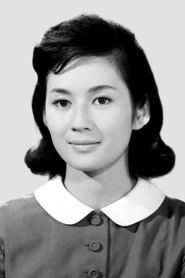
Yōko Tsukasa
Noriko
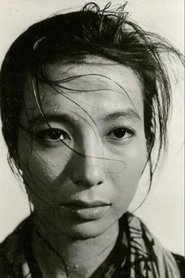
Michiyo Aratama
Fumiko
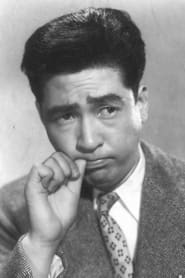
Keiju Kobayashi
Hisao
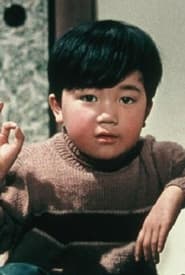
Masahiko Shimazu
Masao
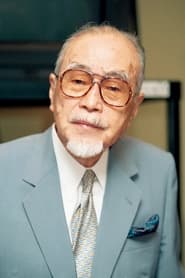
Hisaya Morishige
Isomura Eiichirou
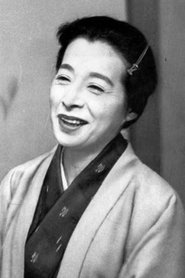
Chieko Naniwa
Sasaki Tsune

Reiko Dan
Yuriko
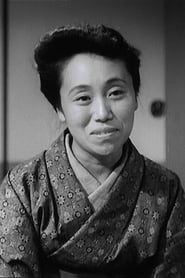
Haruko Sugimura
Katou Shige

Daisuke Katō
Kitagawa Yanosuke
Director: Yasujirō Ozu
Written by: Kōgo Noda