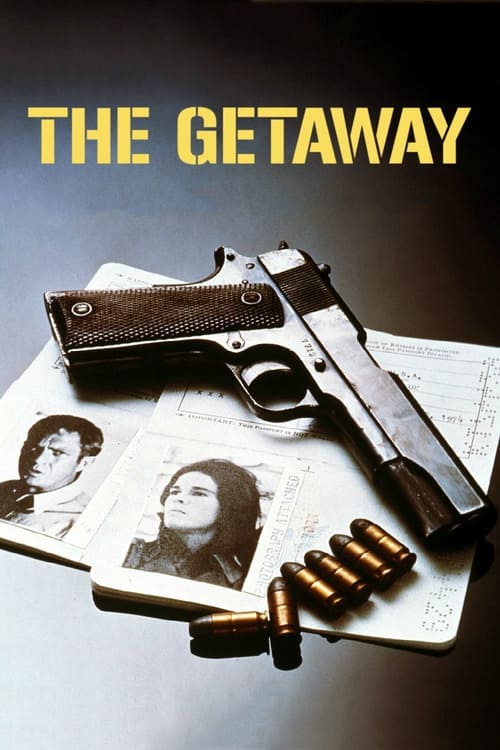
The Getaway
"It takes two to make it … The big two."
After a bank job goes awry, Carter McCoy, an ex con known as Doc, and his wife Carol hit the road. Their plan to disappear hinges on a risky alliance with Jack Beynon, a former associate who supplies a car and a decoy that buys time against pursuing officers. On the highway and through neon-lit... Read more
Watch NowWhere to Watch "The Getaway"


Not Currently Available On (8 platforms)


Streaming availability last verified: February 26, 2026
About The Getaway
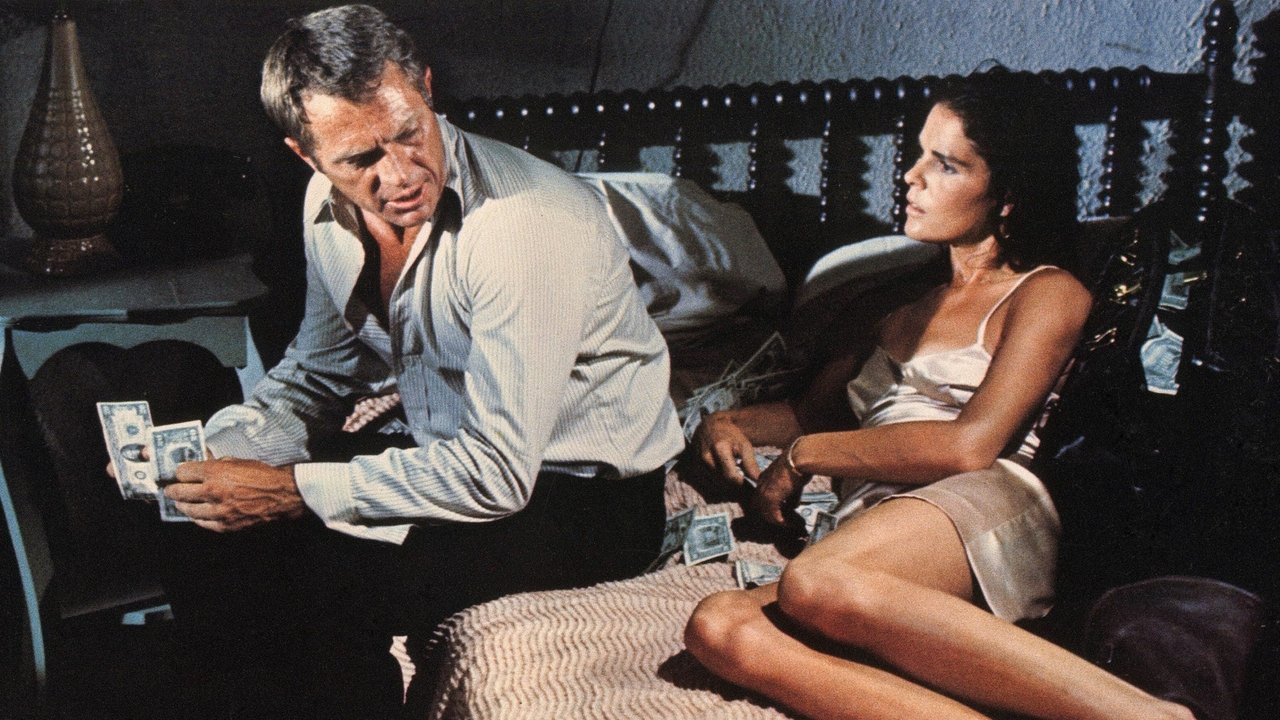
After a bank job goes awry, Carter McCoy, an ex con known as Doc, and his wife Carol hit the road. Their plan to disappear hinges on a risky alliance with Jack Beynon, a former associate who supplies a car and a decoy that buys time against pursuing officers. On the highway and through neon-lit streets, the couple faces a gauntlet of gunfights, police roadblocks, and tense bargaining as they improvise. Doc stays cool and calculating, while Carol's steadfast devotion keeps them moving. The escape becomes a test of loyalty under pressure, danger, and resolve as the chase unfolds across a sunbaked landscape and crowded urban canyons. Shot with brisk pace and a noir edge, film keeps camera tight and tempo relentless.
Directed by Sam Peckinpah, The Getaway (1972) translates Walter Hill and Jim Thompson's script into a lean pulse pounder. It pairs Steve McQueen with Ali MacGraw in a hard edged crime thriller that melds car chases with tight character dynamics.
Box office reached 36,734,619 worldwide, a healthy take for a mid range 1970s action thriller and a strong sign that Steve McQueen remained a bankable star. Ali MacGraw's star power also drew crowds. Its worldwide release reflected solid era growth.
The Getaway helped define 70s crime cinema with kinetic road sequences and a stoic cool vibe. Its on screen chemistry between McQueen and MacGraw left a mark on the era's partner archetype and influenced later capers. The film's practical stunts and real locations contributed to a grounded tone that resonates.
Critics praised the film for its brisk pacing, solid performances, and Peckinpah's efficient action sense, though some noted a lean plot compared to its stylistic bravura. The story mines loyalty under pressure, marital tension, and the cost of crime in a world of cops and predators for 1970s audiences today.
Details
- Release Date
- December 13, 1972
- Runtime
- 2h 3m
- Rating
- PG
- User Ratings
- 637 votes
- Type
- Movie
- Genres
- Action, Crime, Thriller
- Country
- United States
- Studio
- Foster-Brower Productions +4 more
- Budget
- $3,352,254
- Box Office
- $36,734,619
- External Links
- View on IMDB
Official Trailer
Cast

Steve McQueen
Carter "Doc" McCoy

Ali MacGraw
Carol McCoy
Ben Johnson
Jack Beynon

Sally Struthers
Fran Clinton
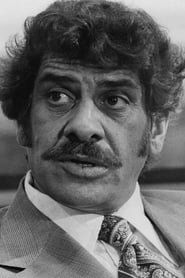
Al Lettieri
Rudy Butler
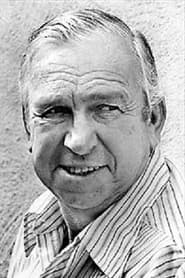
Slim Pickens
Cowboy

Richard Bright
The Thief

Jack Dodson
Harold Clinton

Dub Taylor
Laughlin
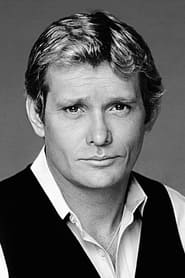
Bo Hopkins
Frank Jackson
Director: Sam Peckinpah
Written by: Walter Hill, Jim Thompson