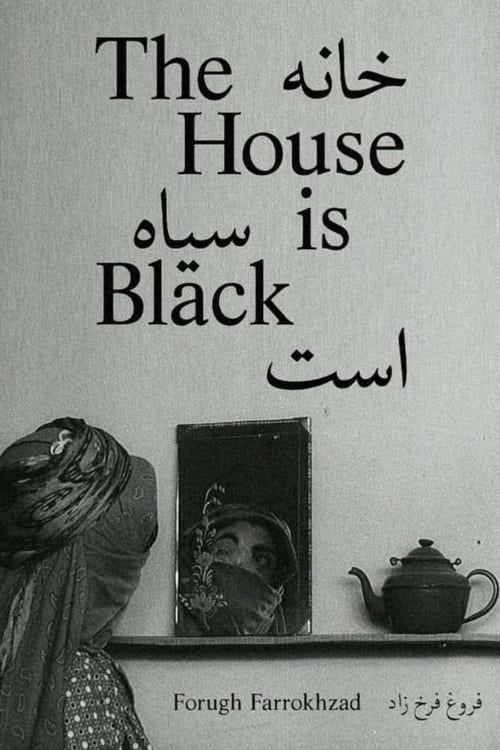
The House Is Black
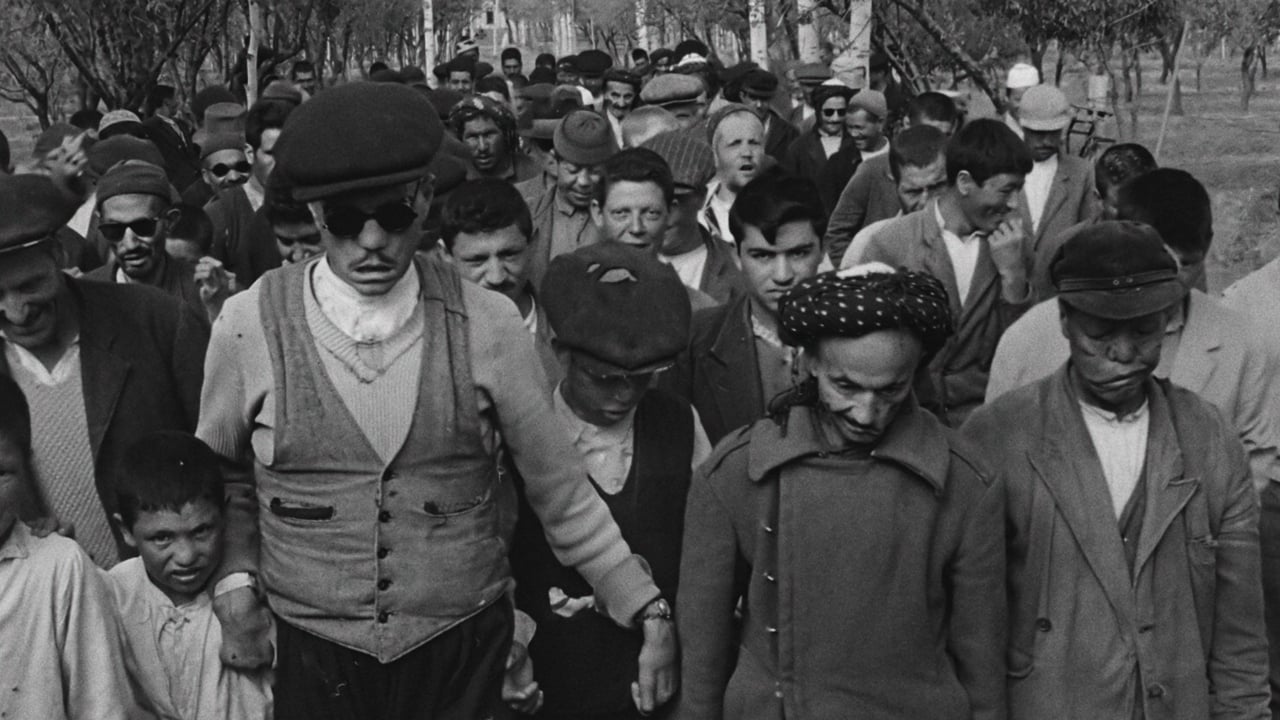
Farrokhzad's The House Is Black takes viewers inside a northern Iranian leper colony and treats its inhabitants with a patient, observational gaze. The film moves beyond horror and pity by letting people speak in quiet, fleeting moments and letting the landscape, architecture, and daily chores... Read more
Where to Watch "The House Is Black"
Not Currently Streaming
This title isn't available for streaming in the US right now.
Not Currently Available On (8 platforms)


Streaming availability last verified: January 30, 2026
About The House Is Black
Farrokhzad's The House Is Black takes viewers inside a northern Iranian leper colony and treats its inhabitants with a patient, observational gaze. The film moves beyond horror and pity by letting people speak in quiet, fleeting moments and letting the landscape, architecture, and daily chores frame their isolation. Through a mix of intimate close ups and spare narration, it questions who decides what is ugly and which beliefs deserve to endure. It refuses melodrama, instead placing acts of care and small rituals beside scenes of deprivation. The result is a counterpoint between despair and perseverance, where gratitude and faith are represented not as cures but as threads that hold people together in a fragile world.
Directed by Forugh Farrokhzad and released in 1963, The House Is Black grows from her personal observations and poetic impulses. The narration is carried by Farrokhzad and Ebrahim Golestan in voiceover, with Hossein Mansouri appearing as a self, uncredited.
Box office data for The House Is Black are not widely documented, reflecting its status as a pioneering art documentary rather than a mass market release. Its legacy rests with critics, scholars, and students who study its form and themes. Its influence extends through screenings, retrospectives, and film schools around the world.
Looked at as a landmark, the film reshaped how Iranian cinema could speak about disability, faith, and everyday vulnerability. Its spare, lyrical approach inspired later generations of documentary filmmakers, and its international reception helped place Persian nonfiction on the world map. It remains cited in discussions of feminist film practice and archival aesthetics.
Critics have framed the work as a courageous blend of compassion and critique, turning stigma into subject rather than spectacle. It interrogates how culture defines ugliness and worth, while honoring the humanity of those depicted through intimate moments, restraint, and a steady moral voice.
Details
- Release Date
- February 18, 1963
- Runtime
- 21m
- User Ratings
- 144 votes
- Type
- Movie
- Genres
- Documentary
- Country
- IR
- Studio
- Studio Golestan
- External Links
- View on IMDB
Official Trailer
Cast
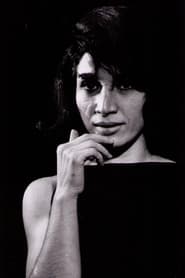
Forugh Farrokhzad
Narrator (voice) (uncredited)
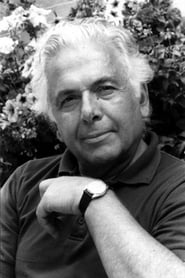
Ebrahim Golestan
Narrator (voice) (uncredited)
Hossein Mansouri
Self (uncredited)
Director: Forugh Farrokhzad