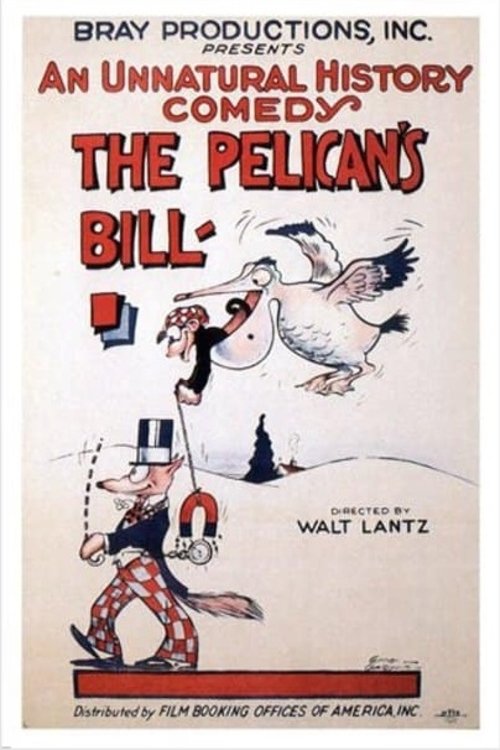
The Pelican's Bill
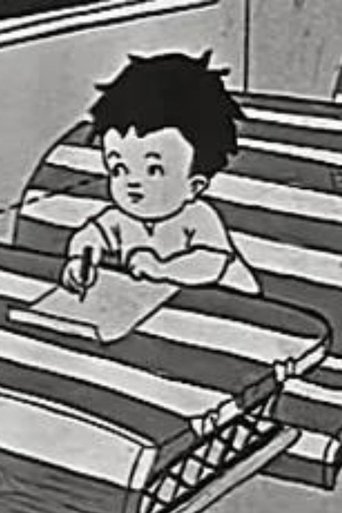
A little boy sneaks jam from the pantry and gets caught, prompting his mother to tell a cautionary story to drive the point home. In her tale, a pelican and a mischievous monkey make a habit of taking whatever they fancy, leaving chaos behind them. The monkey's antics land him on a chain gang... Read more
Where to Watch "The Pelican's Bill"
Not Currently Streaming
This title isn't available for streaming in the US right now.
Not Currently Available On (8 platforms)


Streaming availability last verified: January 14, 2026
About The Pelican's Bill
A little boy sneaks jam from the pantry and gets caught, prompting his mother to tell a cautionary story to drive the point home. In her tale, a pelican and a mischievous monkey make a habit of taking whatever they fancy, leaving chaos behind them. The monkey's antics land him on a chain gang where he is put to tedious labor, shaping smaller stones from larger ones, while the pelican ends up with his bill padlocked as a form of restraint. The story is told simply and sharply, meant to teach a lesson about stealing and consequences through exaggerated, cartoonish punishment rather than moralizing lectures.
Directed by Walter Lantz and released in 1926, this animation is part of his early silent-era output. It reflects the experimental, short-form cartoons of the decade, made before sound became standard and before Lantz created his later, better-known characters.
Box office tallies for short animated films from the 1920s are rarely preserved, and there are no reliable gross figures available for this title. These kinds of shorts were typically shown as part of theater programs, so any commercial impact would have been tied to exhibition schedules rather than standalone ticket sales.
Among animation historians, the film is of interest as an example of moral storytelling in early cartoons and for showing Lantz's developing sense of visual gags and character-driven setups. It hasn't entered the mainstream canon, but it helps trace how studios used short fables to keep young audiences entertained while reinforcing social norms.
Critical reception at the time is hard to pin down, since reviews for brief 1920s cartoons were seldom archived. The themes are straightforward: childhood misbehavior, the social response to theft, and storytelling as a tool for discipline. Its tone is terse and direct, trading nuance for clear, memorable images that made the lesson stick with audiences of the era.
Details
- Release Date
- May 30, 1926
- Runtime
- 8m
- Rating
- NR
- Type
- Movie
- Genres
- Animation
- Country
- United States
- Studio
- J.R. Bray Studios
- External Links
- View on IMDB