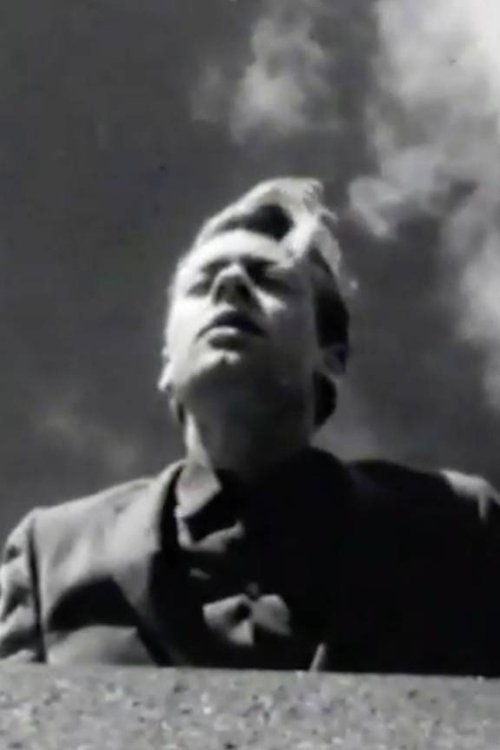
The Sound of Seeing
The Sound of Seeing follows two artists, a painter and a composer, as they move through streets, studios, and nearby landscapes gathering material that feeds their work. Rather than a conventional story with conflicts and resolutions, the film strings together moments in which sound and image... Read more
Where to Watch "The Sound of Seeing"
Not Currently Streaming
This title isn't available for streaming in the US right now.
Not Currently Available On (8 platforms)


Streaming availability last verified: January 20, 2026
About The Sound of Seeing
The Sound of Seeing follows two artists, a painter and a composer, as they move through streets, studios, and nearby landscapes gathering material that feeds their work. Rather than a conventional story with conflicts and resolutions, the film strings together moments in which sound and image respond to one another, sometimes echoing gestures, sometimes interrupting them. We watch them pause, sketch, listen, and improvise, with close-ups of hands and instruments cut against wider city views. The film trusts viewers to assemble meaning from these sensory pairings, showing how everyday sights and noises can become raw material for art. It moves at an unhurried pace, asking for patient viewing.
Made in 1963, the film was directed by Tony Williams and shot on a wind-up Bolex camera, giving it a raw, hand-cranked feel. Gary Mutton plays The Composer and Ray Grover appears as The Painter. Its DIY shooting gives tactile grain.
The Sound of Seeing did not collect major festival prizes on release, and it hasn't been widely honoured with mainstream awards. Instead its recognition is more modest, confined to niche film histories and the attention of archivists and scholars interested in British experimental shorts. Later it drew some archival interest.
Although it never became a household title, the film is often cited when discussing young British experimental filmmakers of the early 1960s. Its hand-cranked cinematography and focus on artistic process have been referenced by writers tracing the DIY ethos in postwar short cinema, and by students studying sound-image relationships today.
Contemporary reviews are scarce, and modern audience feedback is limited. A small sample rating shows 6.0 out of 10 from one vote, making broad critical consensus hard to establish. Viewers who seek it tend to appreciate its patient editing, emphasis on sensory detail, and informal portrait of creative practice today.
Details
- Release Date
- January 01, 1963
- Runtime
- 13m
- User Ratings
- 1 votes
- Type
- Movie
- Genres
- Documentary
- Country
- New Zealand
- Studio
- Pacific Films
Cast
Gary Mutton
The Composer
Ray Grover
The Painter
Director: Tony Williams