The World That Summer
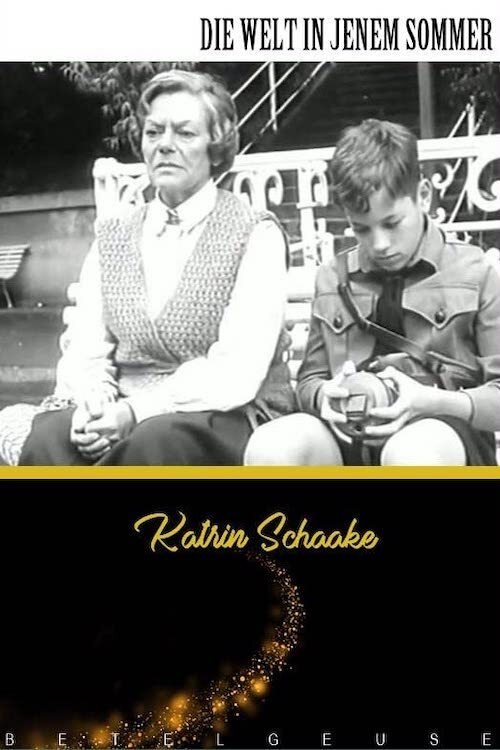
The World That Summer centers on Hannes Hacker, a boy growing up in Germany in 1936 who quietly conceals that he has Jewish ancestry. As the state tightens its grip, everyday routines change and small acts take on new meaning. Hannes learns which words to avoid, which questions to dodge, and how... Read more
Where to Watch "The World That Summer"
Not Currently Streaming
This title isn't available for streaming in the US right now.
Not Currently Available On (8 platforms)


Streaming availability last verified: January 14, 2026
About The World That Summer
The World That Summer centers on Hannes Hacker, a boy growing up in Germany in 1936 who quietly conceals that he has Jewish ancestry. As the state tightens its grip, everyday routines change and small acts take on new meaning. Hannes learns which words to avoid, which questions to dodge, and how to read the faces of neighbors and relatives. Family life is cast in a tense light, with ordinary games and school days shadowed by suspicion. The film stays close to Hannes's perspective, showing how political pressure works through domestic habits and social customs without giving away later outcomes.
Released in 1980, The World That Summer was directed by Ilse Hofmann and adapted from Robert Muller’s autobiographical book, drawn from his own experiences. It’s a West German drama led by Jan-Claudius Schwarzbauer, with supporting turns from Grete Wurm, Katrin Schaake, Hermann Lause, and Christoph M. Ohrt.
Concrete box office figures are not well documented for this title. As a modest West German production it appears to have had a limited theatrical run and is mainly known within German-speaking markets, so commercial performance remains unclear.
Though not a household name internationally, the film matters as a cinematic rendering of a survivor’s memoir and as part of postwar German efforts to reckon with everyday complicity. Its quiet scenes of family life and the small gestures that signal acceptance or resistance offer material often cited in academic discussions about adaptations of testimony and about cultural memory.
Critical coverage is sparse and it remains relatively obscure, so there isn’t a broad consensus to summarize. The World That Summer foregrounds themes of identity, secrecy, and the normalization of hateful ideology, using a child’s viewpoint to show how social pressure and routine can erode moral choices. Its focus on ordinary moments highlights how politics can seep into private life and reshape relationships.
Details
- Release Date
- January 30, 1980
- Runtime
- 1h 43m
- Type
- Movie
- Genres
- Drama
- Country
- Germany
- Studio
- WDR
- External Links
- View on IMDB
Official Trailer
Cast

Jan-Claudius Schwarzbauer
Hannes Hacker
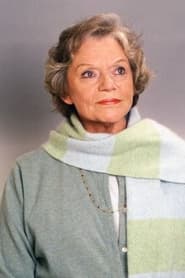
Grete Wurm
Oma

Katrin Schaake
Mama
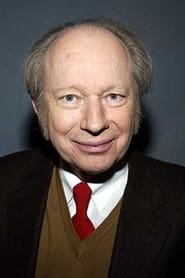
Hermann Lause
Papa

Christoph M. Ohrt
Dorn
Franz Boehm
Bohrer
André Pohl
Jungzugführer
Director: Ilse Hofmann