Would You Look at Them Smashing All Those Lovely Windows
Set against the fraught years around the 1914-16 Irish uprising, the film alternates between the cramped planning rooms of Irish insurgents and the orderly briefings of British military planners. Small cells of rebels argue over tactics, allegiance, and consequences while couriers, refugees, and... Read more
Where to Watch "Would You Look at Them Smashing All Those Lovely Windows"
Not Currently Streaming
This title isn't available for streaming in the US right now.
Not Currently Available On (8 platforms)


Streaming availability last verified: January 14, 2026
About Would You Look at Them Smashing All Those Lovely Windows
Set against the fraught years around the 1914-16 Irish uprising, the film alternates between the cramped planning rooms of Irish insurgents and the orderly briefings of British military planners. Small cells of rebels argue over tactics, allegiance, and consequences while couriers, refugees, and local figures keep the daily rhythm of resistance visible. On the other side, officers chart troop movements, sift intelligence, and debate policy. The storytelling stays close to individual motives and the tactical details of conflict, favoring quiet conversations and tense preparations over sensational surprises or big cinematic flourishes.
Released in 1970 and directed by Barry Davis, the picture was created by David Wright. The cast mixes stage and screen actors, including Katherine Barker, Ralph Bates, Carla Challoner, Sam Dastor, and John Fraser, many taking multiple roles to populate the film's ensemble.
Commercial records for Would You Look at Them Smashing All Those Lovely Windows are scarce, and it seems to have had limited release. It didn't register as a major box office performer, and no reliable worldwide gross or budget figures are commonly cited in public sources.
The film never became a mainstream touchstone, yet it holds some interest for historians and niche cinephiles who track political cinema of the era. Its title and the deliberate, stage-like presentation make it stand out in festival programs and university screenings, and portrayals of historical figures such as Padraic Pearse give it extra appeal for those studying Irish cultural memory.
Contemporary critical response is thin, with few reviews lingering in archives, but viewers who seek it out often note its focus on duty, ideology, and the human costs of armed struggle. Acting leans toward rhetoric and small gestures rather than spectacle, and the film emphasizes the interplay of planning, miscalculation, and personal conviction that shapes political violence.
Details
- Release Date
- February 02, 1970
- Runtime
- 1h 18m
- Type
- Movie
- Country
- United Kingdom
- External Links
- View on IMDB
Cast
Katherine Barker
Girl on the Hill, Messenger, Refugee

Ralph Bates
Brian, Commandant Lallin, Paddy, O'Brennan
Carla Challoner
Girl on the Quay, Messenger

Sam Dastor
O'Brian, Johnny, Bennett, Sean O'Casey

John Fraser
Padraic Pearse, English Tommy
Zoe Hicks
Countess Markievica, Shawlie, Refugee
Richard Howard
Mr. Mulcahey, O'Kelly, Park Keeper

Robert Morris
Joseph Plunkett, Recruiting Sergeant, Frank
Maureen Pryor
Nora, Shawlie
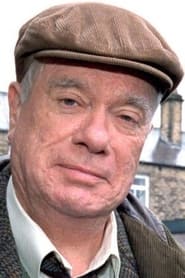
William Simons
Joseph Connolly, Barman
Director: Barry Davis
Written by: David Wright