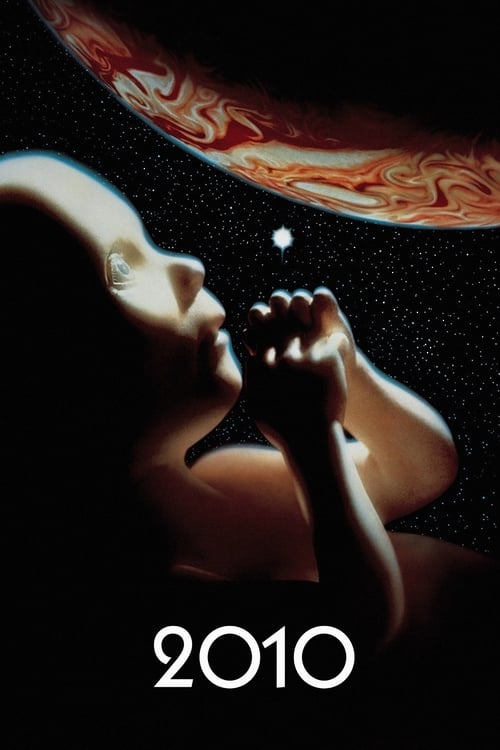
2010
"In the very near future, a small group of Americans and Russians set out on the greatest adventure of them all...to see if there is life beyond the stars."
Earth sits at the edge of a nuclear crisis as political brinkmanship shadows every decision. A joint Soviet American crew travels aboard the Leonov to rendezvous with the orbiting Discovery, which still carries the enigma of its last hours. On board the Explorer’s twin, the ship’s computer HAL... Read more
Watch NowWhere to Watch "2010"


Not Currently Available On (8 platforms)


Streaming availability last verified: February 13, 2026
About 2010
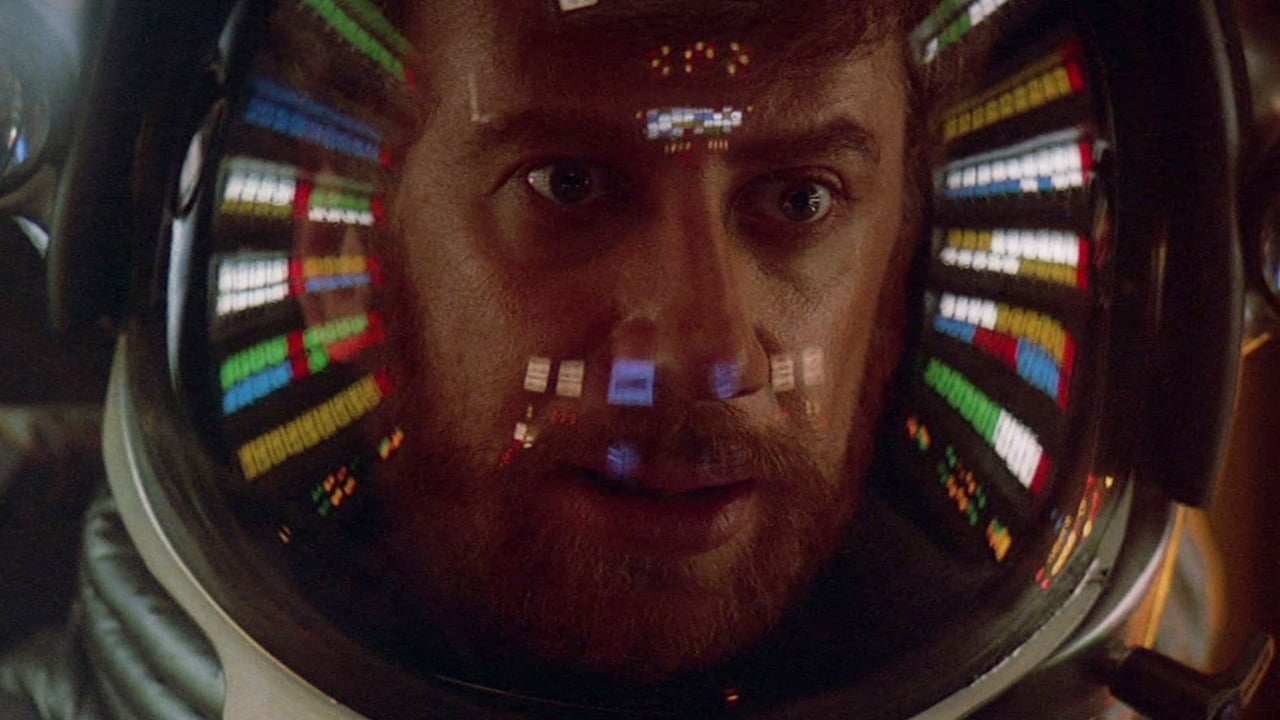
Earth sits at the edge of a nuclear crisis as political brinkmanship shadows every decision. A joint Soviet American crew travels aboard the Leonov to rendezvous with the orbiting Discovery, which still carries the enigma of its last hours. On board the Explorer’s twin, the ship’s computer HAL remains the sole known survivor of prior events, raising questions about control and consciousness. The mission blends hard science with diplomacy, pitting scientists from rival nations against a shared urge to unlock a cosmic secret. As distance grows and signals grow fainter, loyalties are tested and old fears resurface, forcing each crew member to face the costs of advancing technology. Every decision carries the risk of misread data and miscommunication out here.
Directed by Peter Hyams, 2010: The Year We Make Contact reimagines Clarke's universe as a sequel to 2001: A Space Odyssey. The production foregrounds practical effects, frozen landscapes, and chilly diplomacy between American and Soviet crews, emphasizing restraint over flash.
Worldwide gross totaled about 40.4 million dollars, a modest return against a 28 million budget. The numbers reflect steady interest in a thoughtful sci fi event rather than a blockbuster spectacle, hinting at a dedicated audience for cerebral space cinema.
2010 cemented the image of space collaboration during a tense era as humans from rival nations work side by side to unlock a cosmic mystery. The film also helped popularize a calm, calculating AI on screen and influenced later science fiction visuals. Its visuals balance clinical detail with quiet awe.
Critics often noted the film's measured pace and emphasis on science and diplomacy alongside spectacle, praising its faithfulness to Clarke's concepts while sparing action for ideas. Themes include human curiosity, cross cultural cooperation, and the ethics of intelligent machines. Thematic threads about trust and responsibility linger long after the credits.
Details
- Release Date
- December 06, 1984
- Runtime
- 1h 56m
- Rating
- PG
- User Ratings
- 1,028 votes
- Type
- Movie
- Genres
- Thriller, Science Fiction
- Country
- United States
- Collection
- The Space Odyssey Series
- Studio
- Metro-Goldwyn-Mayer
- Budget
- $28,000,000
- Box Office
- $40,400,000
- External Links
- View on IMDB
Official Trailer
Cast
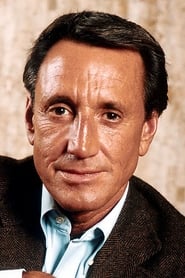
Roy Scheider
Dr. Heywood Floyd
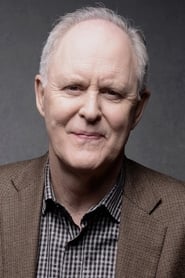
John Lithgow
Dr. Walter Curnow
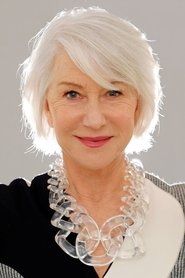
Helen Mirren
Tanya Kirbuk

Bob Balaban
Dr. R. Chandra

Keir Dullea
Dr. David Bowman

Douglas Rain
HAL 9000 (voice)

Madolyn Smith Osborne
Caroline Floyd
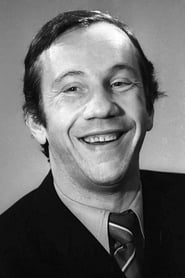
Savely Kramarov
Dr. Vladimir Rudenko
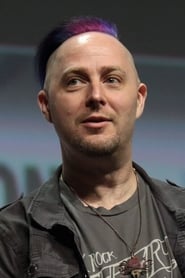
Taliesin Jaffe
Christopher Floyd
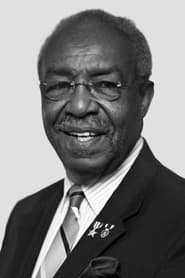
James McEachin
Victor Milson
Director: Peter Hyams
Written by: Arthur C. Clarke