Across the Hall
"Across the Hall" follows a brisk, silent comedy set around neighboring rooms in a boarding house. The story tracks a series of misunderstandings and quick-fire pratfalls when tenants misread knocks, overhear conversations and race between doors to prevent or cause mischief. Physical comedy... Read more
Where to Watch "Across the Hall"
Not Currently Streaming
This title isn't available for streaming in the US right now.
Not Currently Available On (8 platforms)


Streaming availability last verified: January 14, 2026
About Across the Hall
"Across the Hall" follows a brisk, silent comedy set around neighboring rooms in a boarding house. The story tracks a series of misunderstandings and quick-fire pratfalls when tenants misread knocks, overhear conversations and race between doors to prevent or cause mischief. Physical comedy drives the action, with characters slipping, colliding and improvising to hide secrets or win affection. The film builds through a chain of escalating set pieces instead of long speeches, using visual cues and timing to shift tone from light flirtation to chaotic scramble. There are no major plot twists revealed here, just a sequence of comic complications that culminate in a final scramble across hallways and stairwells. Scenes are brisk and meant to provoke laughter and surprise.
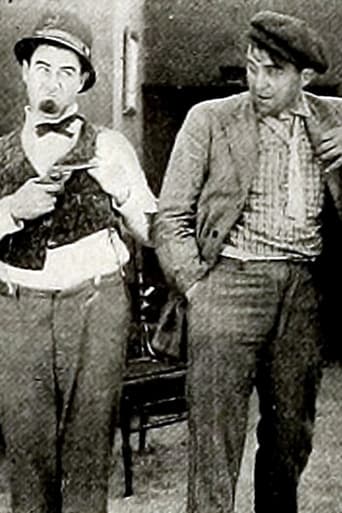
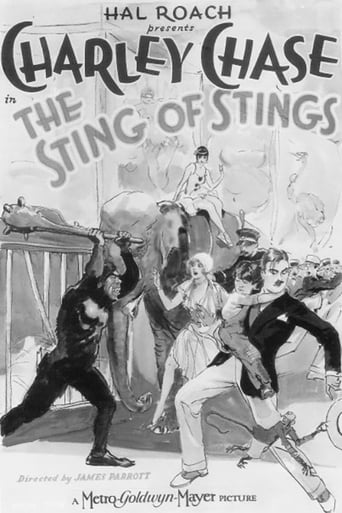
Released in 1914, Across the Hall was directed by Mack Sennett and Ford Sterling, produced within the Keystone studio system. It was a short silent comedy, with Ford Sterling credited and Charley Chase listed in some sources as unconfirmed cast.
Many early short films lack reliable box office records, and Across the Hall is no exception. It circulated as a nickelodeon and theater short subject, part of Sennett's steady output rather than a stand-alone commercial event with recorded grosses available.
As an example of early Keystone slapstick, Across the Hall reflects techniques that defined silent comedy pacing, like rapid edits, door-based gags and escalating pratfalls. While it isn't widely remembered, the film illustrates the routines performers developed before feature-length comedies became dominant in later years, and a do-it-yourself production spirit.
Contemporary reviews are scarce and modern ratings are scarce, with no votes recorded in available databases. Critics tended to treat such shorts as light entertainment. The picture emphasizes neighborly rivalry, mistaken encounters and physical inventiveness, giving viewers a window into social humor and cinematic technique of the 1910s, and brevity.
Details
- Release Date
- March 23, 1914
- Runtime
- 10m
- Type
- Movie
- Genres
- Comedy
- Country
- United States
- Studio
- Keystone Film Company
- External Links
- View on IMDB
Cast
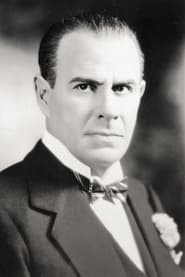
Ford Sterling
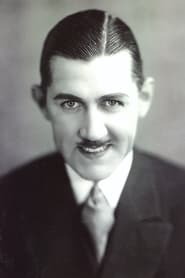
Charley Chase
(unconfirmed)
Director: Mack Sennett, Ford Sterling