At the Floral Ball
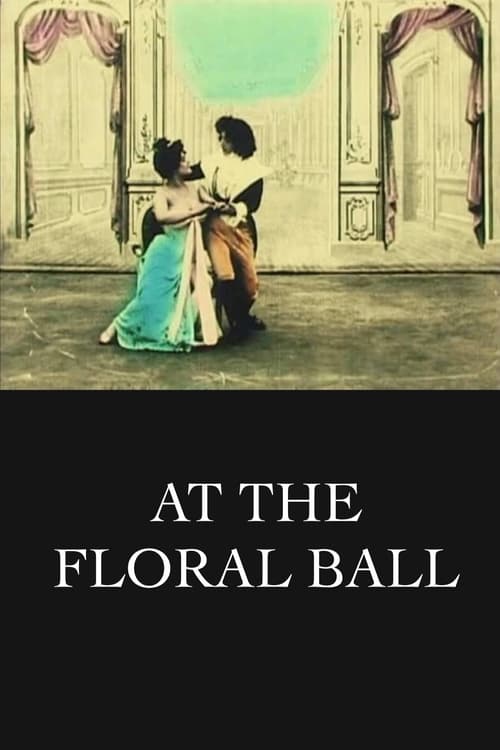
At the Floral Ball is a very short, hand-tinted silent film from around 1900 that captures two women, billed as Miss Lally and Miss Julyett, dancing at a formal social gathering. The piece functions more like a staged performance than a plot-driven movie, showing movement, costume, and paced... Read more
Where to Watch "At the Floral Ball"
Not Currently Streaming
This title isn't available for streaming in the US right now.
Not Currently Available On (8 platforms)


Streaming availability last verified: January 14, 2026
About At the Floral Ball
At the Floral Ball is a very short, hand-tinted silent film from around 1900 that captures two women, billed as Miss Lally and Miss Julyett, dancing at a formal social gathering. The piece functions more like a staged performance than a plot-driven movie, showing movement, costume, and paced gestures arranged for the camera. Viewers get a clear sense of turn-of-the-century taste in fashion and entertainment, as the two performers present steps and poses meant to be seen rather than interpreted. The work is often attributed to Alice Guy-Blaché, though that authorship is not confirmed in primary records, and it hints at popular entertainments.
Shot at the turn of the century, it’s commonly dated to 1900 and credited to pioneering filmmaker Alice Guy-Blaché. The short was hand-tinted, silent, very brief, and would have been exhibited with live musical accompaniment in music halls and fairgrounds.
Because it predates modern prize systems, there are no recorded awards or major nominations for this short. Its recognition has come through archival screenings, restorations, and scholarly attention, where it is cited for technique and social detail rather than any formal honors from contemporary institutions or later festival circuits worldwide.
Film historians point to it as an early example of hand-tinted color and of women appearing on screen in performance roles, and it turns up in museum programs and textbook discussions about early cinema aesthetics and gender in film history. It often prompts questions about attribution and preservation and access.
Modern viewer ratings are modest, averaging 5.1/10 from 21 votes. Critics and scholars tend to view it as a technical and visual curiosity, valued for its choreography, costume, and tinting more than for narrative depth or character work. It’s often discussed as a document of social display and period fashion.
Details
- Release Date
- January 08, 1900
- Runtime
- 2m
- User Ratings
- 21 votes
- Type
- Movie
- Genres
- Music
- Country
- France
- Studio
- Gaumont
- External Links
- View on IMDB
Official Trailer
Cast
Miss Lally
Herself
Miss Julyett
Herself
Director: Alice Guy-Blaché