Danse Fleur de Lotus
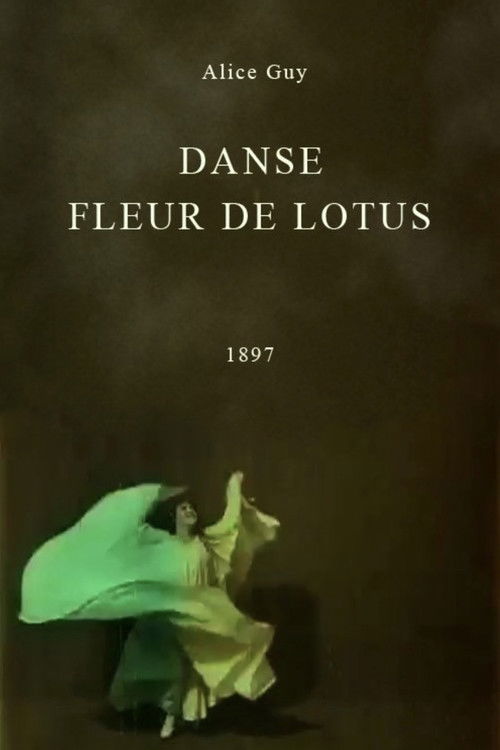
Danse Fleur de Lotus presents a dancer moving through a sinuous sequence that resembles a flower unfurling in slow motion. The film pares the spectacle to essentials, focusing on the line and rhythm of every bend and turn rather than a plot. Shot in the era's dry, unobtrusive style, the piece... Read more
Where to Watch "Danse Fleur de Lotus"
Not Currently Streaming
This title isn't available for streaming in the US right now.
Not Currently Available On (8 platforms)


Streaming availability last verified: January 14, 2026
About Danse Fleur de Lotus
Danse Fleur de Lotus presents a dancer moving through a sinuous sequence that resembles a flower unfurling in slow motion. The film pares the spectacle to essentials, focusing on the line and rhythm of every bend and turn rather than a plot. Shot in the era's dry, unobtrusive style, the piece invites viewers to watch how space, light, and movement interact on screen. It feels more like a study of form than a conventional narrative, offering a hypnotic glimpse into the possibilities of motion picture as a new art form. The camera lingers on the dancer's hands and feet, turning every gesture into a pattern. Even without dialogue, the sequence suggests rhythm as visual melody. Its cadence lingers in memory.
Alice Guy-Blaché directed this early piece, released in 1897. Production details are sparse, but it stands as a clear example of a pioneering filmmaker using minimalist staging to foreground dance and the possibilities of motion pictures for modern viewers today.
Box office data for this 1897 short is not documented, and it predates modern commercial ratings. Given its era and format, there are no widely reported revenue figures, making typical modern box office comparisons inapplicable to this film for historians.
There are no known nominations or wins for Danse Fleur de Lotus. As an 1897 documentary style work, it sits outside the later award circuits, and archives do not list contemporary accolades. The absence of recognitions underscores how early cinema often traveled without ceremony or critical prize trails in history.
Reception and themes: This film captures the serpentine dance and the early cinema's fascination with motion and form; it's less about narrative and more about the choreography of light and frame. As a single take from a pioneering woman director, it highlights gender and artistic experimentation in cinema's early dawn.
Details
- Release Date
- May 18, 1897
- Runtime
- 1m
- User Ratings
- 15 votes
- Type
- Movie
- Genres
- Documentary
- Country
- France
- Studio
- Gaumont
- External Links
- View on IMDB