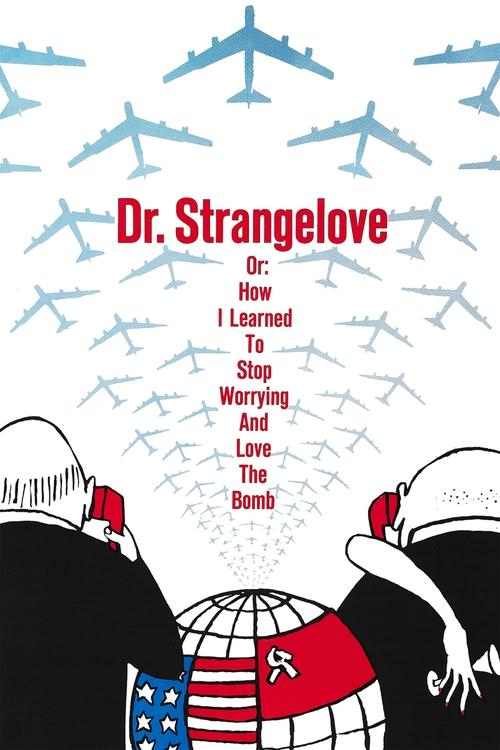
Dr. Strangelove or: How I Learned to Stop Worrying and Love the Bomb
"The hot-line suspense comedy."
During a tense Cold War moment a high ranking American general secretly activates a plan to strike the Soviet Union with nuclear force. Inside a secure Pentagon bunker a group of officers, politicians and a weary Russian liaison scramble to stop the order before it reaches its target. The clock... Read more
Watch NowWhere to Watch "Dr. Strangelove or: How I Learned to Stop Worrying and Love the Bomb"


Not Currently Available On (8 platforms)


Streaming availability last verified: February 03, 2026
About Dr. Strangelove or: How I Learned to Stop Worrying and Love the Bomb
During a tense Cold War moment a high ranking American general secretly activates a plan to strike the Soviet Union with nuclear force. Inside a secure Pentagon bunker a group of officers, politicians and a weary Russian liaison scramble to stop the order before it reaches its target. The clock ticks as misread signals, stubborn pride, and slow bureaucratic wheels turn into a full blown crisis. In the war room, quotes collide with harsh reality while sanity clings to the edge of chaos. The spotlight is on the clash between military swagger, political vanity and improvised problem solving as global catastrophe feels almost within reach. No one can predict what comes next. The film treats the topic with sharp speed.
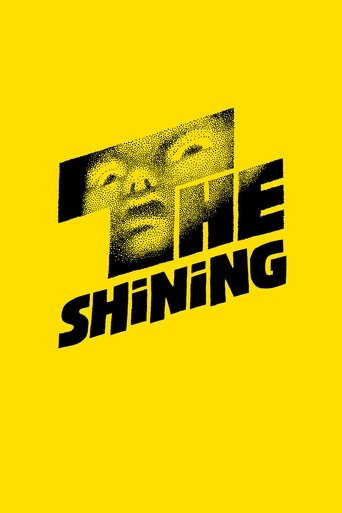
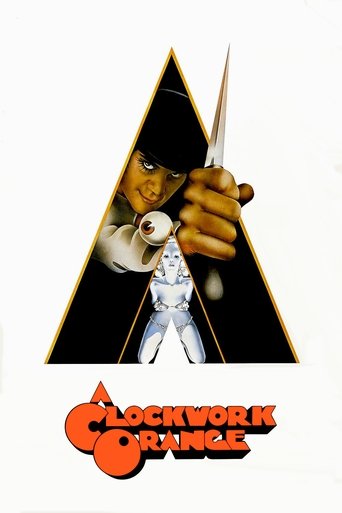
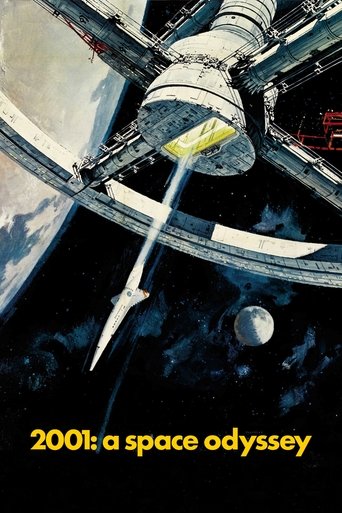
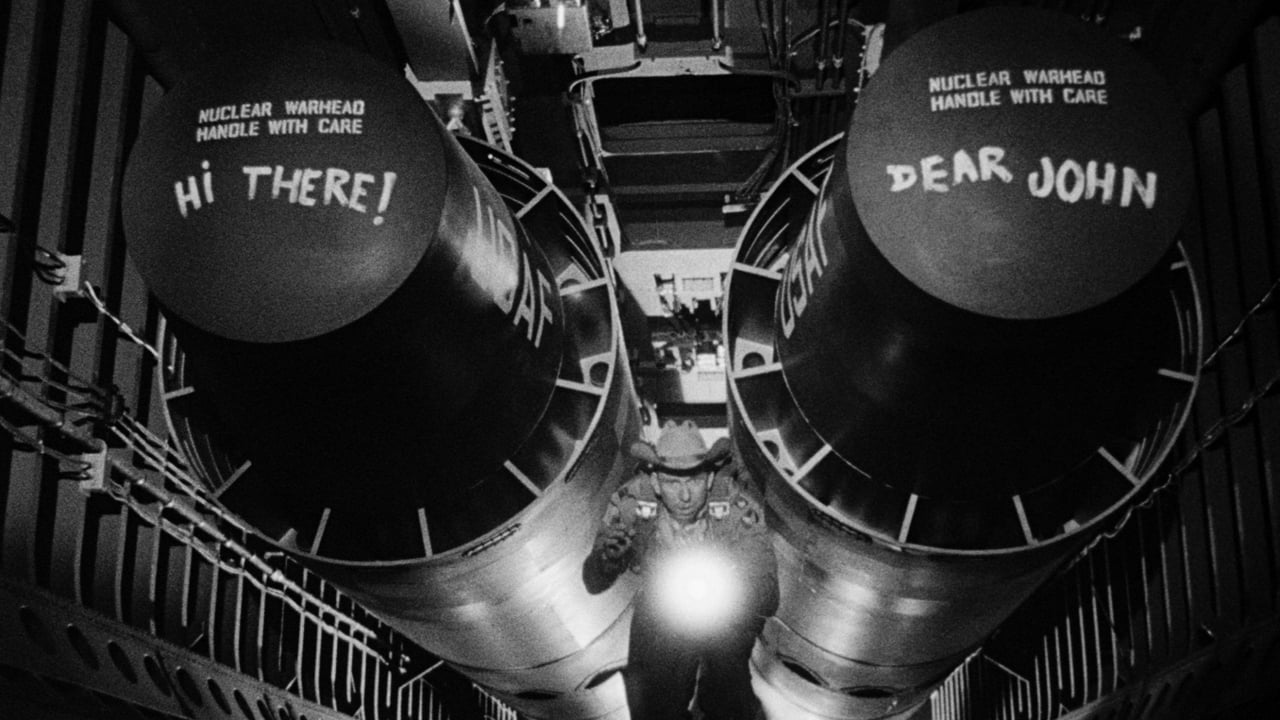
Directed by Stanley Kubrick, the film reimagines a tense crisis with absurd humor. It adapts Peter George's Cold War thriller Red Alert with a screenplay credited to Terry Southern and Peter George, pairing razor sharp wit with stark political critique.
Budgeted at about 1.8 million, the satire went on to gross roughly 9.5 million worldwide, a surprising return that reflected its audience appeal. Its profitability mirrors how a provocative comedy can find lasting value beyond its original release in time.
Dr Strangelove became a landmark of cinematic satire, shaping how audiences view power and crisis. Its bold blend of humor and danger produced enduring images and archetypes, from the bomb sequence to the morally complex Doctor Strangelove figure, influencing later films and political satire across media and later media outlets.
Critics praised its fearless wit, inventive direction, and performances, while many highlighted its sharp critique of military arrogance and Cold War paranoia. The film tackles themes of control, responsibility, and the absurdity that can govern crisis management, inviting audiences to laugh at fear without undermining the danger and cultural conversation.
What Viewers Are Saying
Audiences say Dr Strangelove is a sharp, funny takedown of nuclear war that still lands today. Peter Sellers nails three roles in one performance, from the bumbling US president to the anxious British officer and the wheelchair bound mad scientist, with Sterling Hayden's rogue general driving the chaos. Kubrick leans into the absurdity with precise timing and chilly bureaucracy, turning a doomsday scenario into joke after joke that still snaps. A lot of viewers call it a landmark Cold War satire that feels both dangerous and ridiculously entertaining, with moments that stick long after the credits.
Details
- Release Date
- January 29, 1964
- Runtime
- 1h 35m
- Rating
- PG
- User Ratings
- 6,011 votes
- Type
- Movie
- Genres
- Comedy, War
- Country
- United Kingdom
- Studio
- Hawk Films +1 more
- Budget
- $1,800,000
- Box Office
- $9,500,000
- External Links
- View on IMDB
Official Trailer
Cast
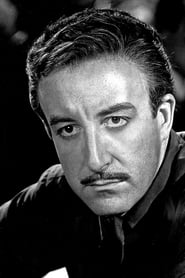
Peter Sellers
Group Capt. Lionel Mandrake / President Merkin Muffley / Dr. Strangelove
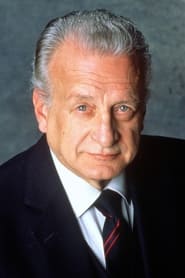
George C. Scott
General "Buck" Turgidson
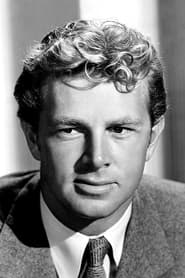
Sterling Hayden
Brigadier General Jack D. Ripper
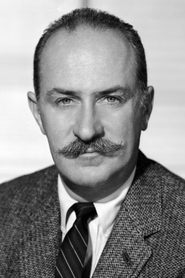
Keenan Wynn
Colonel Bat Guano
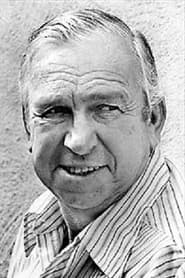
Slim Pickens
Major "King" Kong
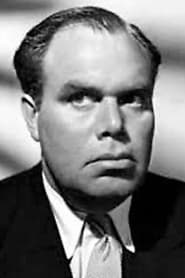
Peter Bull
Botschafter De Sadesky

James Earl Jones
Lt. Lothar Zogg

Tracy Reed
Miss Scott

Jack Creley
Mr. Staines
Frank Berry
Lt. Dietrich
Written by: Stanley Kubrick, Terry Southern, Peter George