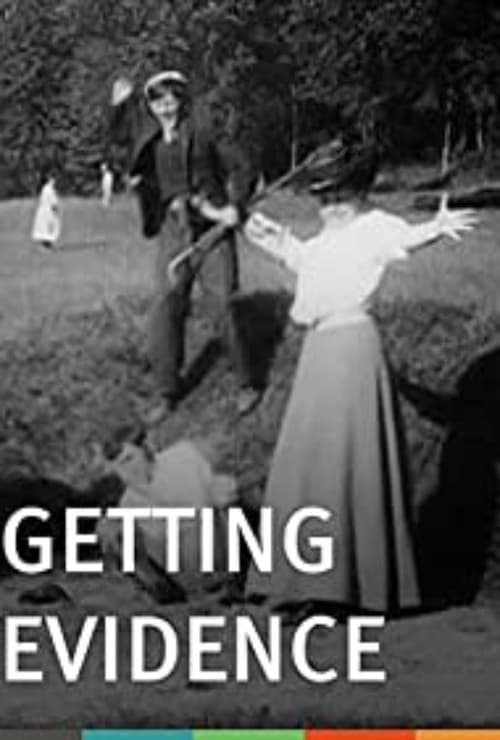
Getting Evidence
In Getting Evidence a jealous husband hires Hawkshaw, a private detective after he becomes convinced his wife is unfaithful. The detective follows her through parlors and public places, setting up to photograph what he expects will be clear proof. Just as a seemingly perfect shot is within reach,... Read more
Where to Watch "Getting Evidence"
Not Currently Streaming
This title isn't available for streaming in the US right now.
Not Currently Available On (8 platforms)


Streaming availability last verified: January 14, 2026
About Getting Evidence
In Getting Evidence a jealous husband hires Hawkshaw, a private detective after he becomes convinced his wife is unfaithful. The detective follows her through parlors and public places, setting up to photograph what he expects will be clear proof. Just as a seemingly perfect shot is within reach, a clumsy mishap destroys the chance, and a series of comic setbacks keeps derailing his plans. He refuses to give up, trying different methods and coping with misunderstandings, pratfalls, and timing-based jokes. It uses a parlor and beach for set pieces, keeping the action simple and driven by visual humor rather than dialogue.
Released in 1906, Getting Evidence was directed by Edwin S. Porter and Wallace McCutcheon Sr. It is an original silent short comedy and it stars Paul Panzer as the detective.
As a 1906 short it predates organized film awards like the Oscars, so there are no contemporary prize records. Its recognition is mainly historical, studied by enthusiasts and archivists for insights into early cinematic comedy rather than trophy counts. Shorts were rarely awarded or well documented then.
The picture is an early example of detective comedy, showing how silent-era filmmakers used physical mishaps and timing for laughs. It shows early filmmakers finding humor in everyday scenes, and it helps trace the roots of slapstick and surveillance jokes in cinema.
Modern user ratings are modest, the small sample giving it a 5.0 out of 10, reflecting its status as a curiosity more than a classic. The piece centers on jealousy, surveillance, mistaken identity, persistence, and the visual comedy that silence required. The plot highlights the limits of early photography, turning mechanical failure into a source of comic frustration.
Details
- Release Date
- October 20, 1906
- Runtime
- 14m
- User Ratings
- 3 votes
- Type
- Movie
- Genres
- Comedy
- Country
- United States
- Studio
- Edison Studios
- External Links
- View on IMDB
Official Trailer
Cast
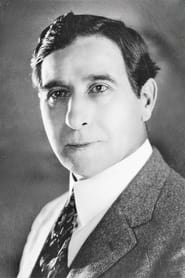
Paul Panzer
Detective
Viola Allen
Lady friend in parlor and at beach (uncredited)
Fay Templeton
First lady friend having supper (uncredited)
Director: Edwin S. Porter, Wallace McCutcheon Sr.